


How to Extract Room Pricing & Reviews for Business Insights From Hotel Rates and Guest Reviews?
Sep 16
Introduction
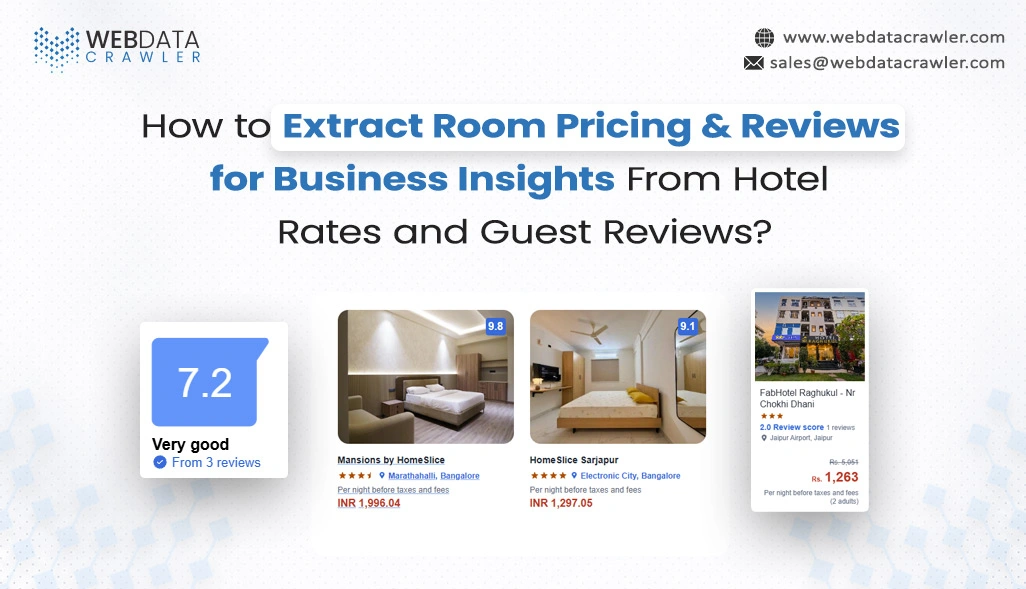
Hotel room rates and guest reviews offer valuable insights into demand, customer expectations, competitor positioning, and evolving travel preferences. With consistent data collection, businesses can Extract Room Pricing & Reviews for Business Insights, compare properties, track market changes, and evaluate pricing and guest satisfaction across destinations.
Room prices can vary according to season, location, room category, availability, amenities, and booking conditions. Reviews add another perspective by showing how guests evaluate cleanliness, service, facilities, location, and value. Web Scraping Travel Data helps businesses collect these changing details from multiple online sources and organize them for analysis.
Combining pricing records with review information creates a broader foundation for market research and commercial planning. Businesses can examine historical changes, compare competing properties, identify recurring customer concerns, and assess how pricing relates to perceived value. Structured datasets can also support dashboards, reporting systems, competitor monitoring, and strategic decision-making.
Uncovering Valuable Hotel Pricing Patterns Through Competitive Market Analysis
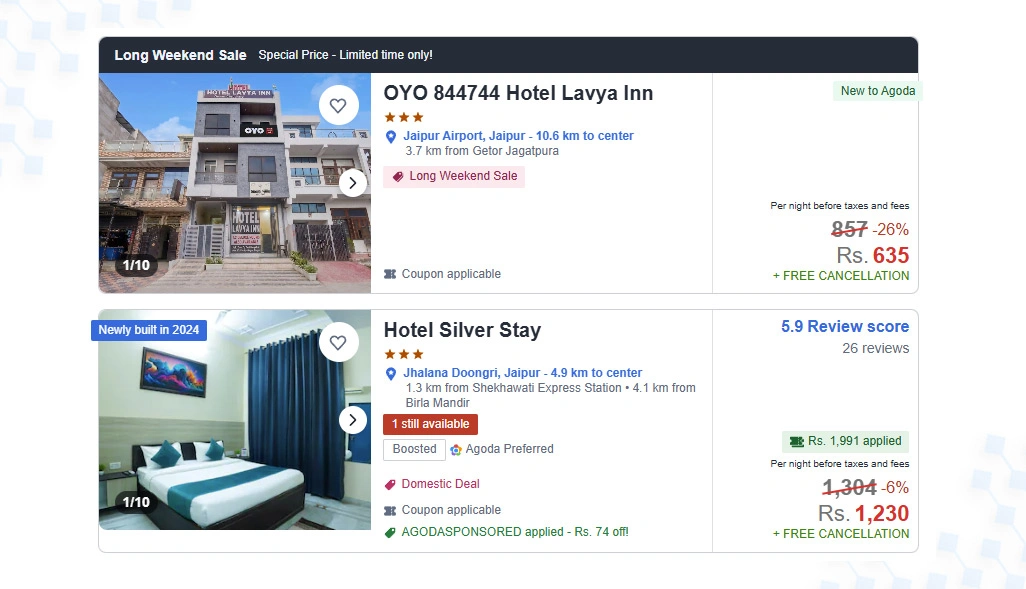
Hotel room rates provide measurable information about how properties position themselves across different destinations and customer segments. Businesses can compare prices according to room categories, booking periods, amenities, occupancy conditions, and availability. Travel Datasets can organize these records into structured formats, making it easier to identify seasonal movements and recurring differences between competing properties.
Guest feedback adds useful context to these pricing observations because customers often discuss whether a room experience matches its cost. Businesses can examine ratings, review volumes, recurring comments, and service experiences alongside room prices. This combination helps identify properties that maintain strong satisfaction at premium rates, as well as hotels where lower prices may reflect service or facility concerns.
Market teams can organize collected information around several practical indicators:
- Room-level price comparisons across destinations
- Seasonal rate movement and availability changes
- Property-level rating and review monitoring
- Competitor amenities and room-category comparisons
- Historical pricing and customer response analysis
Data Point and Business Use:
| Data Point | Business Use |
|---|---|
| Room Rate | Price comparison |
| Room Type | Product segmentation |
| Availability | Demand monitoring |
| Guest Rating | Satisfaction analysis |
| Review Volume | Customer interest |
| Amenities | Value comparison |
When these records are maintained over time, businesses can identify recurring market patterns instead of relying on individual searches. Historical comparisons can reveal periods of higher pricing, changing customer preferences, and differences between properties serving similar audiences. These insights can support destination research, competitor monitoring, promotional planning, and broader revenue analysis.
Decoding Guest Sentiment Signals Behind Changing Hotel Room Prices
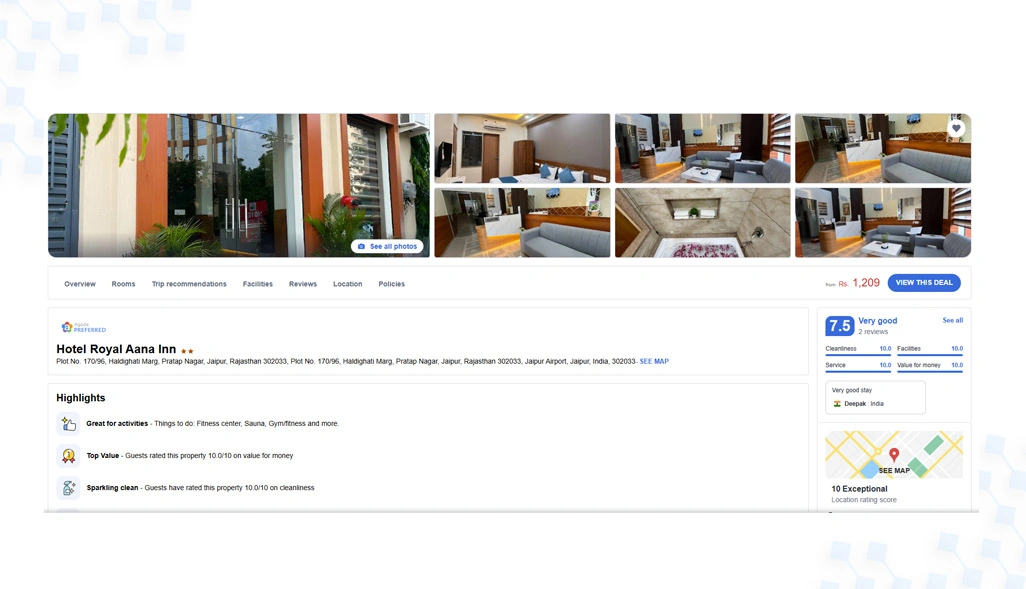
Guest reviews provide important information about the experience customers receive in return for their accommodation spending. Comments commonly cover cleanliness, staff behavior, location, facilities, food, room quality, and perceived value. Hotel Price Intelligence via Web Scraping can connect these observations with pricing records, helping businesses examine whether customer sentiment changes alongside different room rates.
Review analysis can reveal recurring strengths and weaknesses across competing properties. Positive comments about location may highlight a destination advantage, while repeated service complaints can indicate operational gaps. When combined with rates and Scraping API insights, these patterns help businesses compare similar properties and understand their market positioning more effectively.
Teams can focus their analysis on several important indicators:
- Ratings across different property categories
- Recurring positive and negative review themes
- Customer comments related to room value
- Review frequency across competing hotels
- Changes in sentiment across booking periods
Review Attribute and Potential Insight:
| Review Attribute | Potential Insight |
|---|---|
| Rating | Satisfaction level |
| Sentiment | Customer perception |
| Review Count | Engagement |
| Service Comments | Operational feedback |
| Location Mentions | Destination appeal |
| Value Comments | Price perception |
Businesses can also Extract Hotel Price Data via API when structured pricing information is required for dashboards, applications, monitoring systems, or automated workflows. Combining this information with review records creates a broader analytical foundation. Teams can compare rates with customer sentiment, identify changing perceptions, and organize hotel information into repeatable reporting processes.
Strategic Insights From Connecting Hotel Rates With Guest Feedback
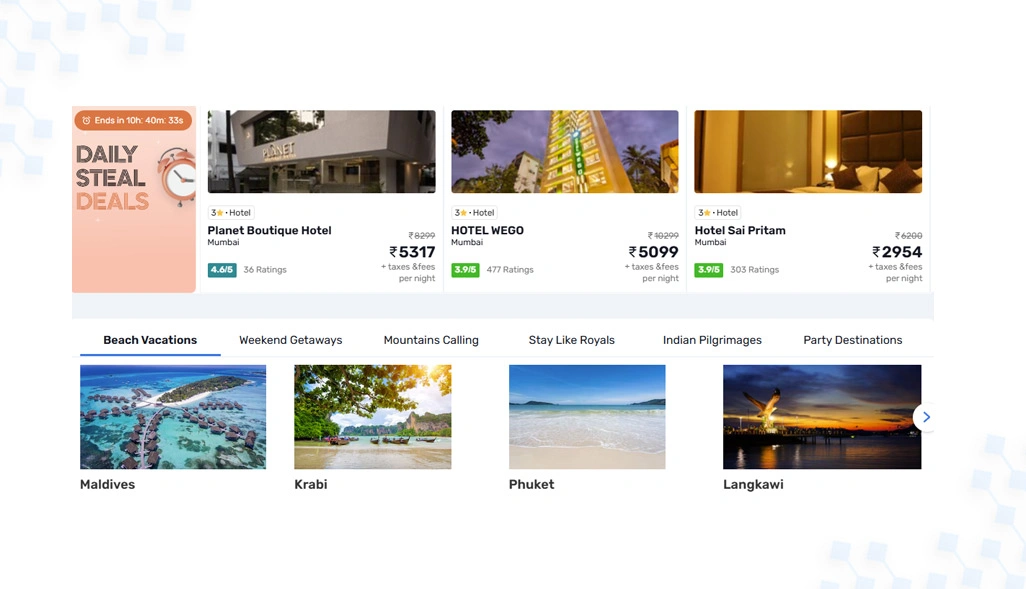
Pricing records become more meaningful when businesses evaluate them alongside customer feedback, availability, ratings, and property characteristics. What Hotel Pricing and Review Data Tells Travel Brands becomes clearer when these variables are examined across destinations and time periods. Such comparisons can show how customer response changes when prices increase, decrease, or fluctuate during different travel periods.
For example, higher room rates accompanied by strong ratings may indicate continued customer acceptance, while increased prices combined with declining sentiment can highlight areas requiring closer investigation. Businesses can also compare properties offering similar room categories to understand differences in perceived value, service quality, amenities, and overall guest experience.
Useful planning activities can include:
- Comparing room rates with customer ratings
- Monitoring pricing changes across destinations
- Tracking review sentiment over time
- Identifying recurring customer experience themes
- Evaluating competitor positioning through historical records
Larger travel organizations can apply Enterprise Web Crawling workflows to collect information across numerous hotel sources and destinations.Structured records make recurring comparisons easier and reduce dependence on manual research. The resulting information can support competitor monitoring, market segmentation, pricing research, destination analysis, and reporting activities.
Combined Metric and Planning Application:
| Combined Metric | Planning Application |
|---|---|
| Price + Rating | Value assessment |
| Rate + Reviews | Demand signals |
| Availability + Price | Inventory monitoring |
| Sentiment + Season | Trend analysis |
| Location + Rating | Market comparison |
When these datasets are maintained consistently, teams can identify market changes earlier within their internal reporting cycles. Historical information also allows analysts to compare current observations with previous periods and assess whether pricing or sentiment patterns are temporary or recurring. This creates a more organized foundation for hotel market research and commercial planning.
How Web Data Crawler Can Help You?
Hotel information changes frequently, making consistent data collection important for travel businesses. We can gather room prices, property details, availability, ratings, and guest feedback from multiple sources in structured formats. With Extract Room Pricing & Reviews for Business Insights, businesses can bring pricing and customer experience information together for regular analysis.
Key capabilities can include:
- Automated collection across multiple hotel sources
- Structured extraction of room-level pricing information
- Review and rating data organization
- Scheduled monitoring of changing hotel rates
- Destination-wise data categorization
- Export-ready datasets for business analysis
These capabilities can reduce repetitive research while helping teams maintain updated records for reporting and comparison. Businesses can also use collected information to evaluate competitors, identify seasonal movements, monitor customer sentiment, and support pricing-related decisions.
For travel organizations requiring broader datasets, Customer Review Data for Travel Industry can add valuable context to hotel pricing records. Combining structured reviews with rate information provides a stronger foundation for market research, customer analysis, competitive monitoring, and strategic planning across multiple destinations.
Conclusion
Hotel pricing and guest reviews provide complementary information for understanding travel markets. By combining rates, availability, ratings, and customer feedback, businesses can evaluate competitive positioning and changing demand patterns. Extract Room Pricing & Reviews for Business Insights can support structured research and more informed commercial planning across hotel markets.
Consistent data collection also helps businesses maintain current information for reporting, comparison, and operational analysis. With professional collection methods, Hotel Data Scraping Services USA can support scalable hotel research requirements across multiple sources and destinations. Contact Web Data Crawler today to discuss your hotel data requirements and build a structured solution for your business.