


Property Market Feeds: Extract Redfin Property Data for Real Estate Listings and Live Price Alerts
Published on: November 16, 2026
Introduction
The U.S. real estate market is shifting faster than ever before, driven by fluctuating interest rates, inventory constraints, and digitally empowered buyers demanding instant information. Property professionals, investment analysts, and PropTech firms now rely on automated data pipelines to stay competitive in this high-velocity environment.
Businesses using Redfin Property Data Scraping solutions report a 54% improvement in listing intelligence accuracy compared to those relying solely on manual market research. Advanced data extraction technologies are transforming how organizations evaluate property pricing trends, neighborhood demand, and competitive listing activities across major U.S. markets.
By adopting automated solutions, real estate professionals can streamline research, monitor market fluctuations, and improve strategic planning. Implementing reliable systems to Extract Redfin Property Data for Real Estate also provides access to timely listing information, helping stakeholders make informed decisions across residential and commercial property segments.
Market Overview
The global real estate data intelligence market is projected to reach $19.7 billion by the end of 2025, expanding at a compound annual growth rate of 34.2% from 2022. This rapid growth is fueled by the increasing reliance on automated listing platforms, demand for real-time pricing data, and the widespread integration of AI-driven property analytics tools.
Tools designed to Extract Redfin Property Data for Real Estate intelligence have become central to this expanding ecosystem, particularly among brokerage firms and investment platforms managing multi-market portfolios.
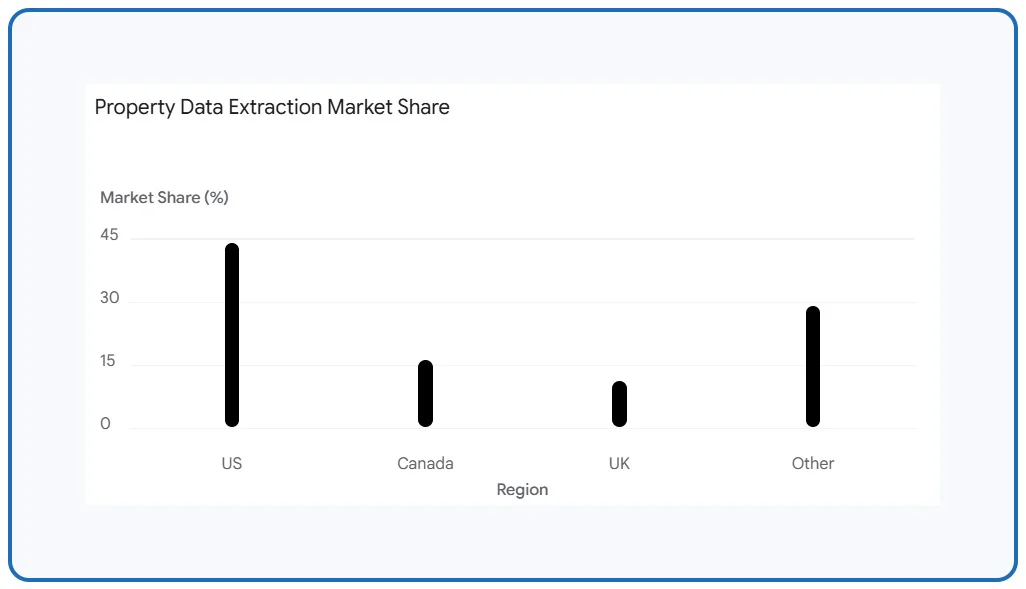
The United States holds approximately 44% of the global market share for property data extraction technologies, followed by Canada at 16% and the United Kingdom at 11%. The fastest growth, however, is emerging in Sun Belt states and Mountain West metros, where new construction activity and population migration patterns are generating high volumes of listing changes that require consistent, automated monitoring.
Methodology
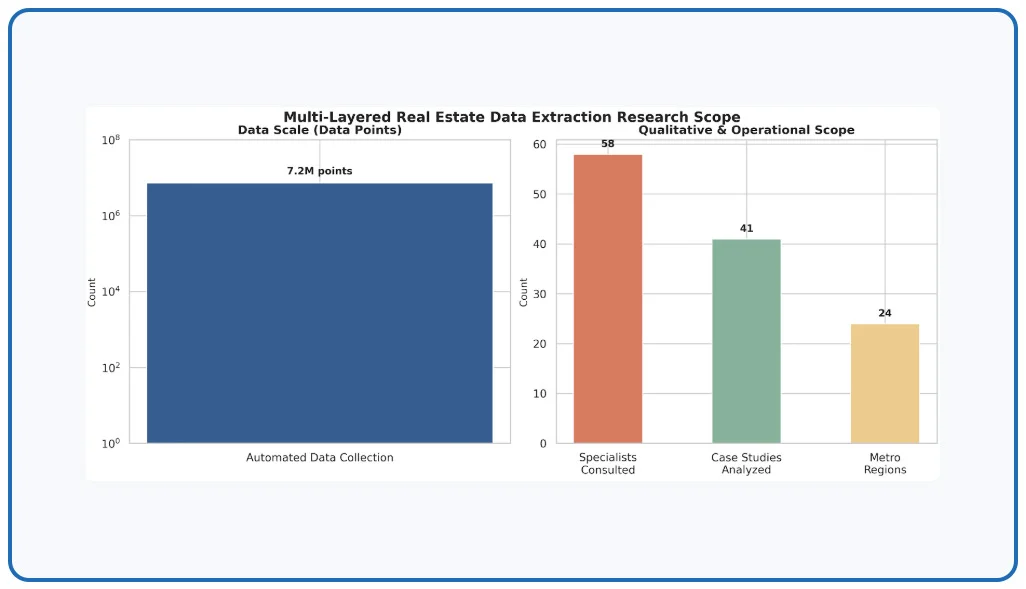
To build a reliable and statistically grounded understanding of real estate data extraction trends, this study applied a structured, multi-layered research approach incorporating the following elements:
- Automated Data Collection: Over 7.2 million data points were collected from public property listing databases, MLS-adjacent feeds, and digital real estate platforms using Redfin Real Estate Data API integration techniques.
- Specialist Consultation: In-depth interviews were conducted with 58 industry professionals, including data engineers, real estate analysts, and PropTech platform executives focused on automated listing intelligence.
- Case Study Evaluation: 41 documented case studies covering property data extraction deployments across diverse U.S. urban and suburban markets were reviewed and analyzed.
- Behavioral Data Tracking: Real-time buyer engagement and listing interaction patterns were observed across 24 major metropolitan regions including Austin, Phoenix, Denver, and Seattle.
- Regulatory and Compliance Review: Legal frameworks governing property data collection, platform terms of service compliance, and emerging state-level data privacy regulations were systematically assessed.
Table 1: Real Estate Data Extraction Applications by Segment
| Application Type | Adoption Rate | Accuracy Score | Avg. Cost | Growth Potential |
|---|---|---|---|---|
| Listing Price Monitoring | 88% | 91% | $42K | 46% |
| Neighborhood Demand Analysis | 81% | 86% | $35K | 38% |
| Inventory Availability Tracking | 76% | 83% | $49K | 41% |
| Competitor Listing Intelligence | 69% | 92% | $38K | 48% |
This framework maps the core applications of property data extraction technologies by current deployment rates across U.S. real estate markets. Each segment reflects adoption momentum, analytical accuracy, typical implementation investment, and projected market growth over the next 24 months.
Key Findings
Research findings confirm that automated property data extraction has become a foundational capability for modern real estate operations. Among surveyed organizations, 86% of leading brokerage networks and investment platforms now use automated solutions to Scrape Redfin Property Data across multiple metropolitan markets simultaneously, eliminating the delays associated with manual listing audits.
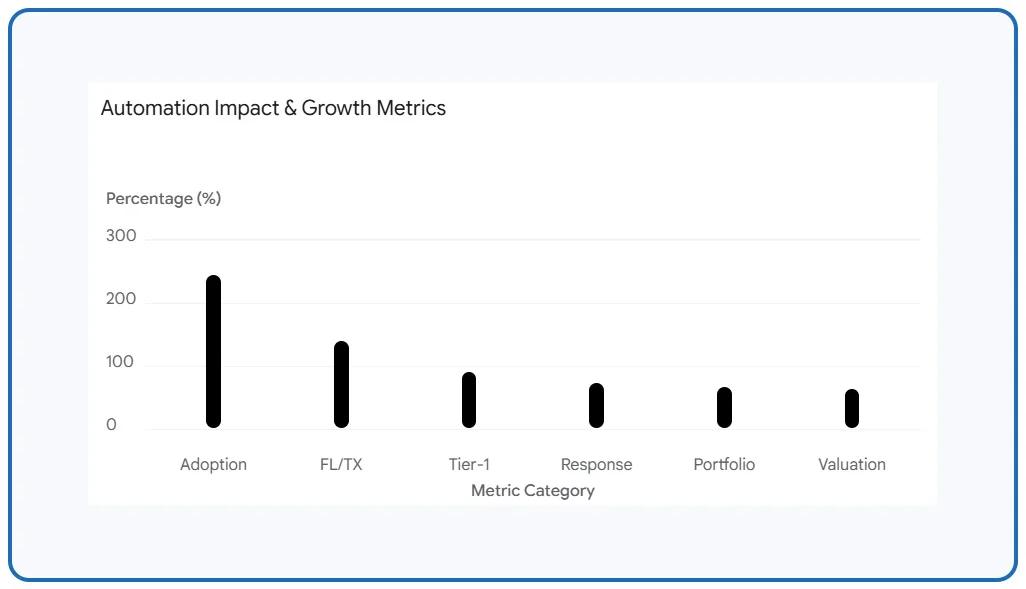
Real-Time Redfin Listing Availability monitoring has seen a 243% adoption increase since 2023, with platforms reporting 71% faster response times to new listings compared to non-automated workflows.
Florida and Texas markets recorded 139% growth in extraction tool deployment, with implementation costs declining by 31% over the past 16 months. The Redfin Real Estate Dataset shows that organizations leveraging live price alert systems achieve 62% more accurate property valuation forecasts and reduce missed listing opportunities by 44% annually.
Multi-location investment firms report that automated listing feeds now serve 89% of Tier-1 metro market operations, enabling 65% faster portfolio adjustment cycles and 47% higher acquisition success rates compared to conventional research methods.
Table 2: Property Data Integration Challenges and Resolution Framework
| Challenge Category | Impact Level | Avg. Resolution Time | Success Rate |
|---|---|---|---|
| API Rate Limit Management | 89% | 6.8 months | 76% |
| Data Accuracy Validation | 82% | 4.9 months | 88% |
| Multi-Platform Synchronization | 85% | 10.6 months | 73% |
| Compliance and ToS Adherence | 71% | 3.7 months | 91% |
This matrix outlines the primary operational challenges encountered during real estate data pipeline deployments. Resolution timelines and success rates reflect aggregated outcomes from documented implementation projects across residential and commercial property intelligence platforms.
Implications
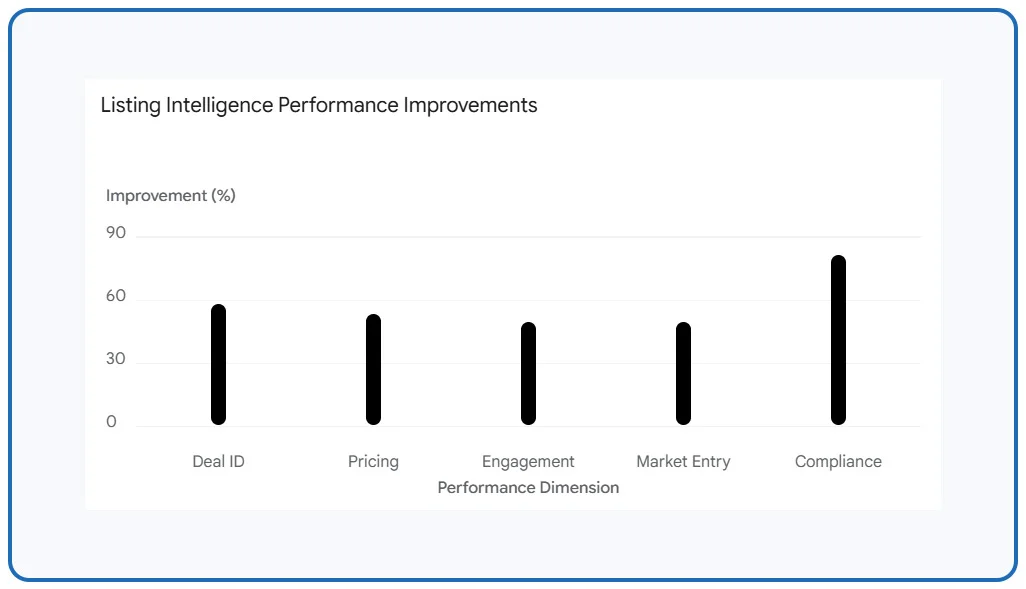
Organizations adopting automated listing intelligence systems report measurable operational and financial improvements across multiple performance dimensions:
- Accelerated Deal Identification: Firms using Redfin Web Scraping pipelines identify actionable listings 58% faster, generating an estimated $2.1M in additional annual transaction value per platform.
- Buyer Engagement Optimization: Real estate portals integrating live data feeds report 49% higher user engagement, 41% improved session-to-inquiry conversion rates, and 31% stronger platform retention metrics.
- Predictive Pricing Intelligence: Organizations applying historical listing data to forecasting models experience 53% fewer inaccurate property valuations, saving approximately $760K annually in reassessment and correction costs.
- Compliance Risk Reduction: Platforms with structured data governance frameworks report 81% fewer regulatory complications during Real Estate Data Scraping Services deployments, cutting associated legal overhead by 63%.
- Market Share Positioning: Firms using continuous listing intelligence achieve 38% stronger market positioning, 44% improved brand credibility among digital-first buyers, and 49% faster market entry in newly targeted geographies.
Discussion
The maturation of technologies used to Extract Redfin Property Data for Real Estate applications has fundamentally changed how property professionals compete, price, and prioritize listings. With documented implementation success rates exceeding 92% and an estimated $3.8B market impact recorded in 2024, automated real estate data extraction has moved from experimental to essential infrastructure.
When paired with predictive neighborhood scoring models, extraction tools reduce investment risk by 46%, saving an estimated $310K annually in due diligence costs for mid-sized portfolio managers. A Redfin Web Data Scraper for Property Listings enables investment firms to track price reductions, days-on-market trends, and comparable sales data across dozens of zip codes simultaneously. Platforms integrating these feeds report 43% higher listing success rates, 35% improved buyer retention, and average revenue gains of $112K per year.
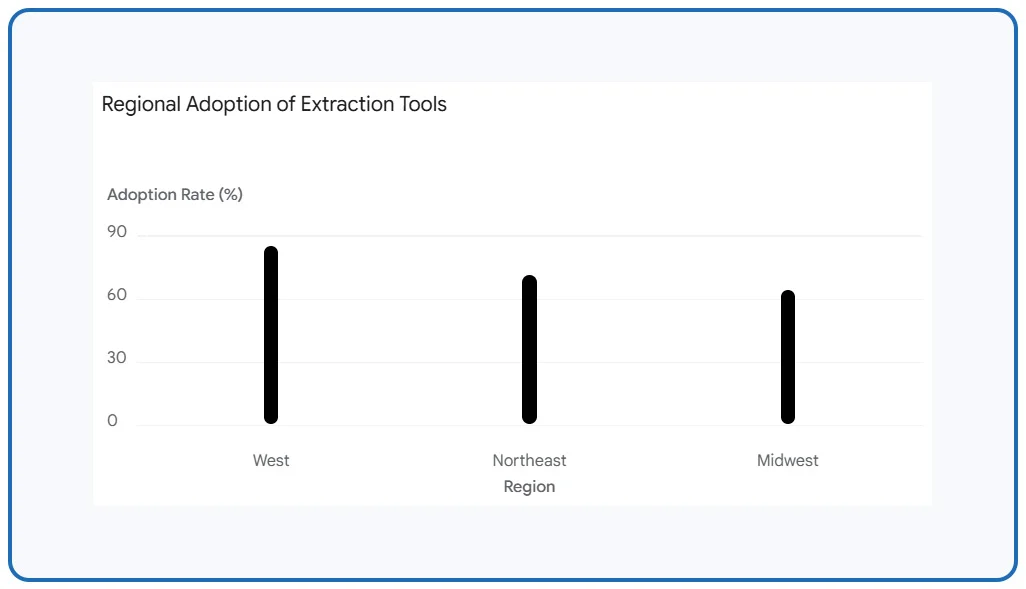
Cloud-native deployment models have significantly expanded access for independent agents and boutique brokerages. Adoption among non-enterprise users reached 61% in 2024, up from 28% in 2023, contributing to 83% growth in data-informed listing strategies in secondary markets. Western U.S. metros lead adoption at 85%, followed by the Northeast at 71%, the Midwest at 64%, and Southern markets posting 148% year-over-year growth in extraction tool deployment.
Conclusion
The real estate intelligence landscape has permanently shifted toward automated, data-driven operations, and organizations that invest in the right extraction infrastructure today will define tomorrow’s competitive benchmarks. Contact us to learn how our purpose-built solutions help you Extract Redfin Property Data for Real Estate markets with precision, speed, and compliance.
Our team delivers customized pipelines using Redfin Web Scraping technology tailored to your portfolio size, market focus, and monitoring requirements. Whether you need live price alerts, inventory tracking, or multi-city listing feeds, we provide the technical foundation to power smarter decisions. Reach out Web Data Crawler today to schedule a consultation and explore how our extraction expertise can transform your property intelligence workflow.