
How to Extract Airbnb Host Data at Scale to Measure 25% Pricing Gaps via Reviews and Availability?
Feb 10
Introduction
Airbnb has evolved into one of the most competitive short-term rental platforms, where pricing shifts daily based on guest demand, seasonality, reviews, and real-time availability. However, many travel businesses, property analysts, and revenue teams still rely on incomplete dashboards or manual checks to understand how hosts actually price their listings compared to market expectations.
When brands use the right systems to Extract Airbnb Host Data at Scale, they can identify pricing mismatches, map competitor positioning, and build stronger market strategies based on real-time rental behavior. Hosts with similar amenities often charge very different rates, and the difference is strongly influenced by review sentiment, cancellation behavior, booking patterns, and calendar availability.
To understand these patterns, businesses require large-scale host profiling, review-level extraction, and booking calendar intelligence across multiple regions. That is why many data-driven companies now invest in Airbnb Travel Data Scraping Services to collect structured listing and host insights in bulk.
How Guest Feedback Creates Hidden Price Differences?
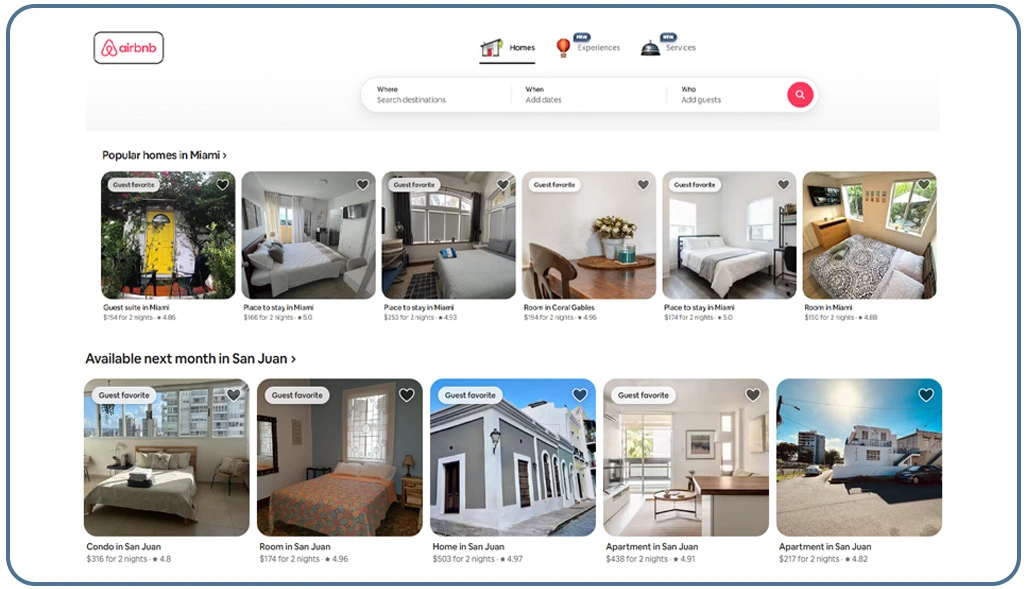
Airbnb pricing is heavily shaped by guest opinions, and that is why many rental businesses struggle to detect real market-based price variation. Research from short-term rental analytics suggests that listings rated above 4.7 often charge 10%–18% more than comparable listings with lower ratings.
To solve this challenge, brands increasingly rely on Travel Data Scraping to monitor review changes and identify rating-driven pricing patterns across cities. When review trends are collected consistently, it becomes easier to map which listings maintain premium pricing due to satisfaction signals, and which properties are forced to offer discounts due to repeated negative feedback.
This is also why many companies implement Scrape Airbnb Reviews and Ratings Data to convert raw guest feedback into structured insights for pricing analysis. The goal is not only to track review volume but also to understand review themes such as cleanliness, communication, check-in experience, and value for money.
| Review Metric Observed | Common Market Interpretation | Impact on Pricing Strategy |
|---|---|---|
| High rating consistency | Strong trust and conversion | Premium rate positioning |
| Sudden negative spike | Booking hesitation increases | Discounts to regain demand |
| High review growth | Popular listing demand rises | Higher weekend pricing |
| Repeated cleanliness issues | Lower guest confidence | Reduced baseline pricing |
| Strong host responsiveness | Higher satisfaction | Increased booking rate |
By tracking these indicators, travel businesses can identify why similar properties show major pricing gaps even within the same location.
Why Booking Calendars Reveal Real Demand Strength?
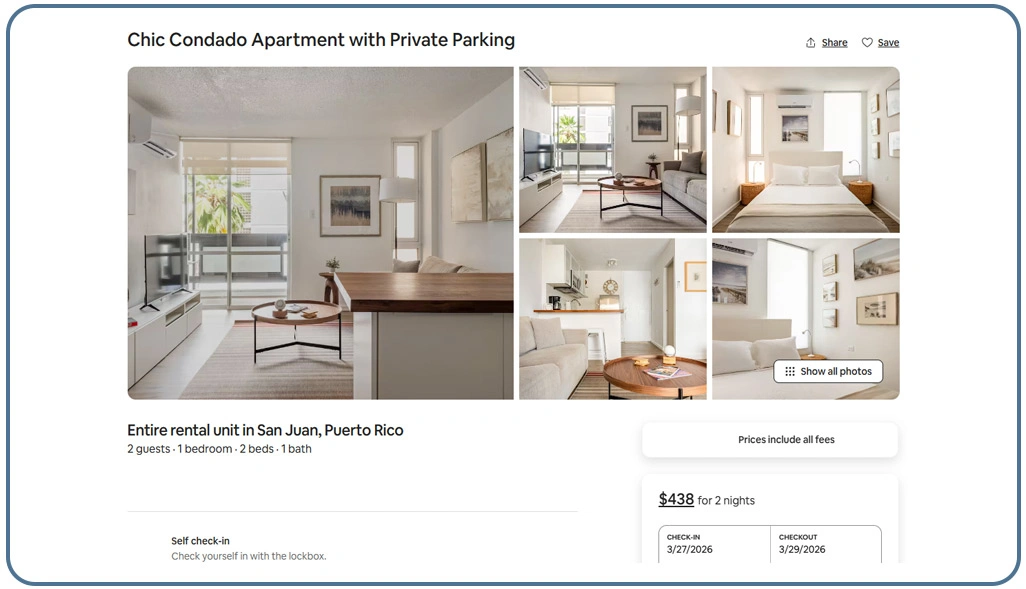
Meanwhile, listings with open calendars for long periods usually reduce prices to improve conversions. In many city-based studies, occupancy-driven pricing behavior has shown rate differences of up to 20%–25% between similar properties, especially in high-tourism regions.
This is where structured availability monitoring becomes essential. By collecting large-scale booking and calendar data, analysts can evaluate whether pricing is aligned with actual demand. Many revenue teams build market-level Travel Datasets to compare booking performance across multiple listings, neighborhoods, and property categories.
To scale this process, organizations frequently apply Airbnb Availability Data Scraping at Scale to track real-time booking calendar changes across hundreds or thousands of listings. This approach supports forecasting and helps identify whether a listing is overpriced, competitively priced, or undervalued based on how fast its availability disappears.
| Availability Pattern | Meaning in Booking Behavior | Pricing Outcome |
|---|---|---|
| Weekends fully booked | Strong traveler demand | Higher peak rates |
| Calendar stays open | Low booking conversion | Price reductions |
| Many blocked dates | Host-controlled supply | Artificial price increase |
| Sudden availability drop | High seasonal demand | Premium pricing trend |
| Frequent cancellations | Instability in bookings | Short-term discounting |
Accurate availability monitoring gives businesses the ability to evaluate pricing performance using real occupancy behavior rather than assumptions.
Creating Structured Host Profiles for Market Comparisons
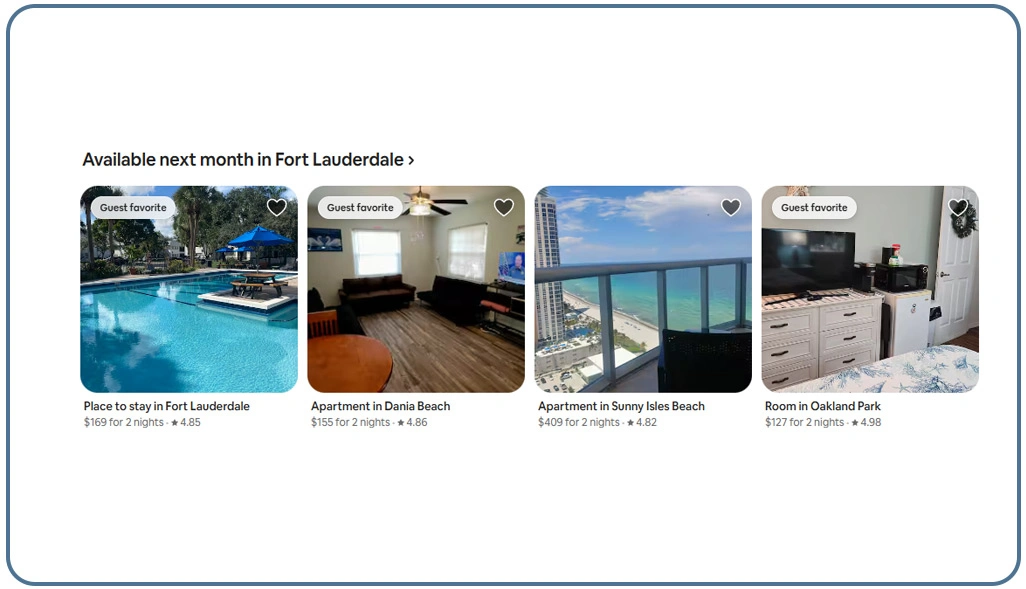
Airbnb hosts play a major role in shaping pricing patterns because they actively respond to reviews, occupancy shifts, and competitor strategies. In many rental markets, professional hosts with multiple properties maintain stable premium pricing due to experience and strong reputation. Meanwhile, newer hosts often underprice by 10%–25% to gain bookings quickly.
To solve this, businesses now prioritize large-scale host-level data extraction. By building structured host profiles, analysts can compare pricing differences based on Superhost status, portfolio size, response rate, and guest engagement behavior. Many travel intelligence teams rely on Airbnb Host and Review Data Collection to connect host attributes with rating performance and price changes.
This provides deeper insight into how host quality impacts booking confidence and why some properties consistently outperform others. Additionally, advanced analytics teams integrate structured extraction workflows with an Airbnb Travel Data API to support real-time benchmarking and automated reporting across multiple regions.
| Host Attribute Tracked | Common Market Observation | Influence on Pricing |
|---|---|---|
| Superhost badge | Higher booking trust | Premium pricing ability |
| Multiple listings | Professional management | Stable higher rates |
| Slow response rate | Lower guest confidence | Discounts to compete |
| New host profile | Limited booking history | Underpricing strategy |
| High cancellation trend | Reduced reliability perception | Lower seasonal rates |
When host intelligence is combined with pricing and performance signals, businesses can create stronger benchmarks and detect why similar properties generate very different revenue outcomes.
How Web Data Crawler Can Help You?
Our solutions are built to Extract Airbnb Host Data at Scale through automated scheduling, structured parsing, and bulk extraction models that ensure data consistency across multiple locations.
What We Deliver for Airbnb Market Intelligence:
- Automated large-scale listing and host extraction pipelines.
- High-frequency calendar monitoring for availability changes.
- Review-level data structuring with sentiment-ready formatting.
- Geo-specific rental benchmarking across cities and regions.
- Data delivery in formats aligned with BI and analytics platforms.
- Custom dashboards and reporting support for pricing teams.
By delivering structured datasets with scalable workflows, we also support Airbnb Booking Availability Data Extraction for businesses that want calendar-based pricing intelligence and market-level occupancy insights.
Conclusion
Pricing gaps on Airbnb are rarely random. They are created by a combination of host experience, review reputation, seasonal demand, and booking availability signals. When businesses Extract Airbnb Host Data at Scale, they can measure the real reasons behind 25% pricing differences and build accurate market comparisons across locations.
At the same time, pricing accuracy becomes significantly stronger when organizations integrate review sentiment, booking patterns, and structured datasets to Scrape Airbnb Reviews and Ratings Data. Contact Web Data Crawler today and request a custom data extraction consultation.