


How Can eBay Product Data Extraction for Marketplace Research Improve Seller and Product Analysis?
Oct 16
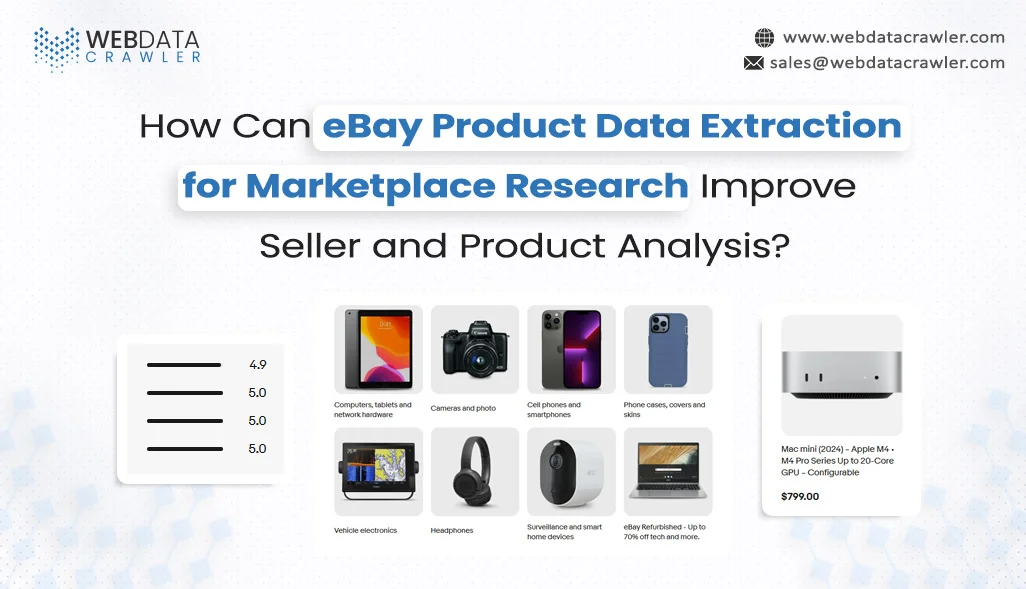
Introduction
Online marketplaces provide valuable information about product pricing, seller performance, customer feedback, and competitive positioning. Businesses use eBay Product Data Extraction for Marketplace Research to evaluate market conditions, compare product listings, and identify opportunities for improvement. These insights help sellers make informed decisions about pricing, inventory planning, and product positioning.
Collecting marketplace information manually can become time-consuming when businesses manage multiple products or monitor several competitors. Automated data collection helps organize listing details, product availability, customer ratings, and price changes into structured datasets. With an eBay E-Commerce Data API, businesses can streamline information collection and support consistent market analysis while reducing repetitive research tasks.
Accurate marketplace insights also help sellers understand customer preferences and recognize changes in product demand. By reviewing competitor offerings alongside customer reviews, businesses can identify product gaps and refine their selling strategies. A structured research process supports better decisions, improves operational planning, and helps businesses respond to changing marketplace conditions.
Understanding Market Trends Through Structured Product Information
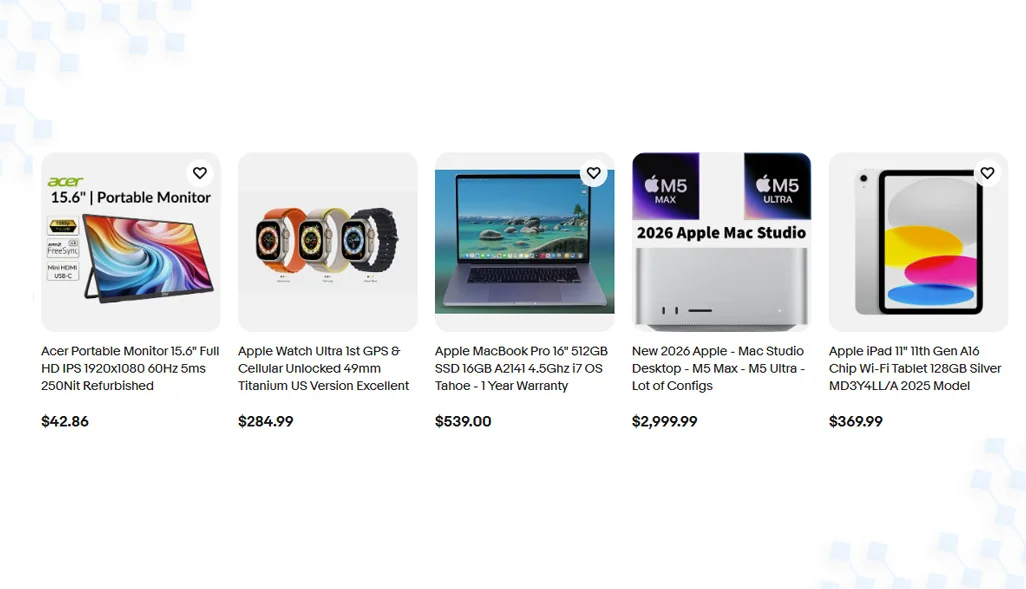
Understanding product performance requires more than checking individual listings. Sellers need to compare prices, product specifications, availability, ratings, and promotional strategies across competing offers. A structured research process helps businesses evaluate market positioning, recognize demand patterns, and identify products that deserve further attention.
Collecting consistent information also makes it easier to compare similar products across categories and develop a clearer understanding of marketplace activity. An eBay E-Commerce Data Crawler can collect relevant listing information and organize it for regular evaluation. This approach reduces the effort required to review numerous listings individually and allows teams to focus on meaningful comparisons.
Research findings can support more informed decisions when businesses combine product information with customer preferences and market observations. Although these figures are not specific to eBay, they illustrate the potential value of using customer insights to guide commercial decisions. eBay Product Listing Data API for Analytics can support structured analysis when suitable data access is available.
Businesses can use collected information to:
- Compare similar products across competing listings.
- Identify differences in product specifications and availability.
- Evaluate customer ratings and feedback patterns.
- Prioritize products for additional market research.
| Research factor | Business application |
|---|---|
| Product pricing | Compare competing offers |
| Listing availability | Identify supply changes |
| Customer ratings | Evaluate buyer satisfaction |
Businesses can establish collection schedules according to their research objectives, data access permissions, and operational requirements. Consistent monitoring also helps analysts recognize changes that may influence product selection, pricing decisions, and inventory planning.
Improving Competitive Pricing Through Consistent Seller Monitoring
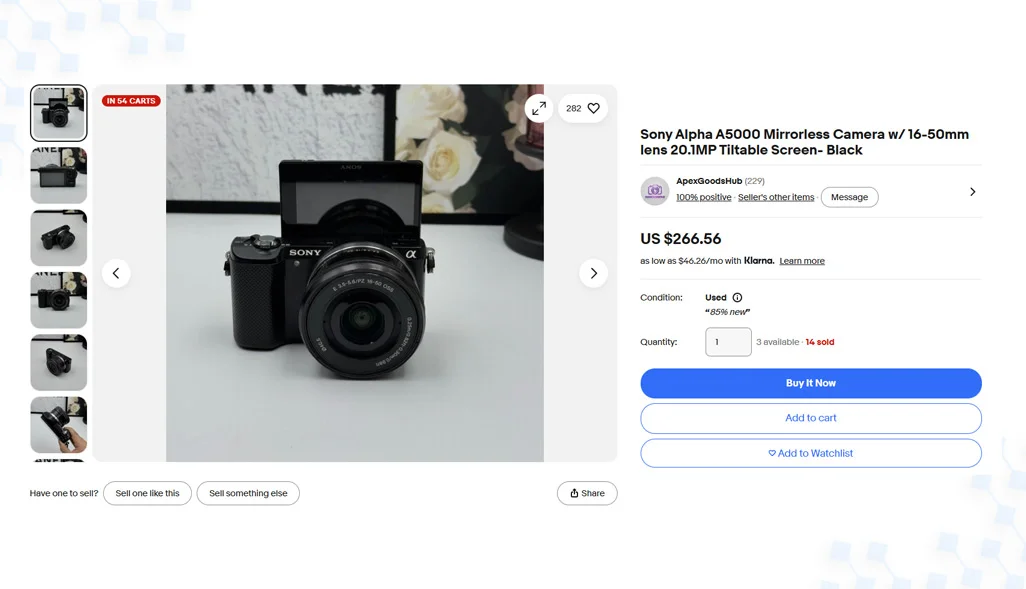
Competitor monitoring helps sellers understand how rival businesses position their products and adjust their offers. Comparing listing prices, shipping charges, product conditions, and promotional activity provides a clearer picture of competitive pricing than examining individual prices independently. Businesses can use these observations to evaluate their own offers, identify pricing differences, and assess whether their products remain appropriately positioned within their selected categories.
Teams can evaluate competing offers alongside shipping costs, seller performance indicators, and product availability. eBay Product Data Scraping can support comparisons of relevant listing details and help businesses organize information for recurring research. The findings can inform pricing reviews and product selection, although actual outcomes depend on market conditions, customer demand, and the accuracy of the collected information.
Data collection should follow applicable access permissions and platform requirements. Businesses can also implement Real-Time eBay Competitor Seller Tracking where supported data sources and authorized collection methods permit frequent updates. Monitoring intervals should reflect the speed of marketplace changes and the importance of each product category.
A consistent monitoring process can help sellers:
- Compare total purchase costs across competing offers.
- Identify meaningful changes in listing prices.
- Review product conditions and shipping arrangements.
- Evaluate competitor activity within selected categories.
| Monitoring metric | Potential insight |
|---|---|
| Listing price | Identify price differences |
| Shipping charges | Compare total purchase costs |
| Seller activity | Assess competing offers |
For example, frequently changing prices may require closer observation than relatively stable product attributes. Reviewing changes over time helps analysts distinguish temporary fluctuations from longer-term competitive patterns and make better-informed adjustments.
Evaluating Customer Feedback to Strengthen Product Decisions
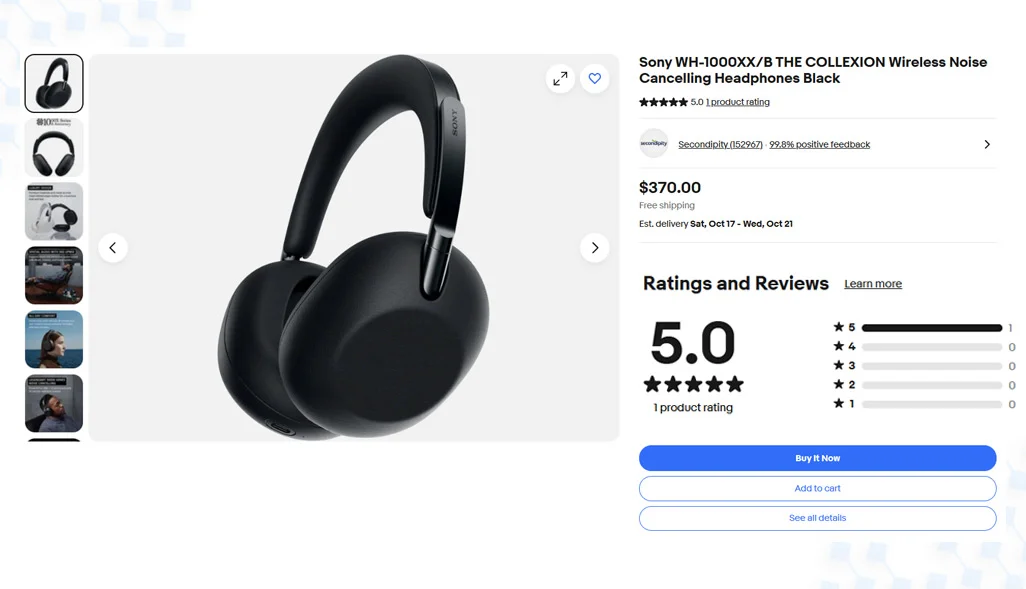
Customer reviews and ratings provide useful evidence about product quality, buyer expectations, and recurring purchasing concerns. Examining feedback alongside product attributes helps businesses identify common complaints, assess perceived value, and recognize opportunities to improve their offerings. Rather than relying exclusively on sales indicators, sellers can use available customer feedback to understand why certain products receive stronger responses than comparable alternatives.
Combining these data points allows teams to investigate relationships between price positioning and customer sentiment. An eBay Dataset With Pricing and Reviews Scraping Solution can bring together accessible listing prices, product attributes, ratings, and review information for structured analysis. However, ratings and reviews should be interpreted carefully because review volumes, customer expectations, product variations, and sampling limitations can influence the conclusions drawn from the collected information.
Research published by BrightLocal in its 2024 Local Consumer Review Survey found that 75% of consumers regularly read online reviews when researching local businesses. This finding does not directly measure eBay shoppers, but it demonstrates the broader relevance of customer feedback in purchasing decisions. Businesses can apply similar analytical principles to available marketplace reviews while accounting for differences between local services and online retail products.
Customer feedback analysis can help businesses:
- Identify recurring product complaints and concerns.
- Compare customer ratings across similar products.
- Recognize potential improvements in product descriptions.
- Evaluate perceived value alongside available pricing information.
| Analysis area | Research benefit |
|---|---|
| Review sentiment | Identify recurring concerns |
| Product ratings | Compare perceived quality |
| Price and feedback | Evaluate value perceptions |
How Web Data Crawler Can Help You?
Marketplace research becomes more manageable when businesses establish a consistent process for collecting, organizing, and reviewing listing information. eBay Product Data Extraction for Marketplace Research can help teams transform accessible product details into structured information for pricing comparisons, product evaluation, and competitor research.
A suitable data collection workflow can help businesses:
- Collect relevant product listings from selected categories.
- Compare prices across competing products.
- Organize product specifications into structured datasets.
- Review seller profiles and available performance indicators.
- Analyze customer ratings and accessible review information.
- Prepare datasets for reporting and business intelligence.
These capabilities can support eBay Seller Information Extraction for Competitor Analysis, helping teams organize relevant seller details and compare marketplace positioning.
Businesses can also Extract eBay Marketplace Data for Competitive Intelligence to understand broader market patterns and identify potential opportunities. Collection methods, refresh intervals, and available fields depend on authorized data access and platform restrictions.
Conclusion
Effective marketplace research depends on reliable information about pricing, product availability, seller activity, and customer preferences. eBay Product Data Extraction for Marketplace Research helps businesses organize these insights, compare competing offers, and identify opportunities to improve product positioning. Combining structured datasets with regular analysis supports informed commercial decisions and more consistent research practices.
Businesses seeking better marketplace visibility can adopt a responsible approach to data collection and reporting. eBay Product Data Extraction for Marketplace Research can help turn listing information into actionable insights when implemented appropriately. Contact Web Data Crawler today to discuss your marketplace research requirements and build a data collection strategy that supports seller comparisons, product analysis, and competitive planning.