


What Makes E-Commerce Product Catalog API Scraping Better Than Custom Scraping for Large Catalogs?
Sep 23
Introduction
Large e-commerce catalogs change continuously as products, prices, stock levels, descriptions, and categories are updated. Businesses therefore need reliable methods for collecting structured information without creating unnecessary operational complexity. Compared with traditional Web Scraping Services, API-driven approaches can provide more organized access to high-volume catalog information.
Custom collection methods may require extensive development, maintenance, infrastructure, and monitoring when thousands or millions of product records are involved. E-Commerce Product Catalog API Scraping offers a structured approach for gathering consistent information while supporting recurring data requirements across multiple sources and categories.
The difference becomes particularly important for enterprises managing large product inventories, competitive intelligence, pricing research, and marketplace analysis. Evaluating coverage, refresh frequency, scalability, data consistency, and operating costs helps organizations determine which approach better fits their long-term catalog data strategy.
Scalable Architecture Simplifies Large Catalog Data Collection Workflows
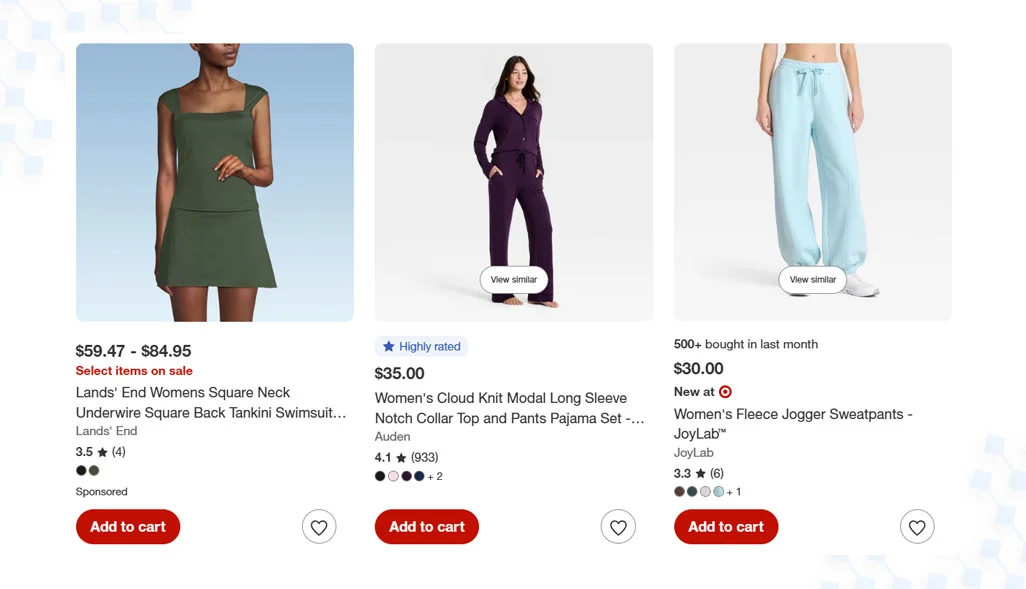
Large e-commerce catalogs require collection systems capable of processing extensive product information without creating unnecessary infrastructure complexity. As catalog volumes increase, businesses need workflows that can accommodate product names, descriptions, prices, availability, specifications, and category details consistently. Compared with Custom Scraping for Businesses, structured collection approaches can reduce repeated development work and simplify recurring data operations across multiple sources and product categories.
A dedicated Ecommerce Product Catalog Scraping Service can support recurring collection requirements while helping teams organize incoming information into consistent formats. This can make downstream processing easier for analytics platforms, databases, reporting systems, and competitive monitoring workflows without requiring extensive redevelopment whenever catalog volumes expand.
Key operational benefits include:
- Better support for expanding product volumes
- More consistent data processing workflows
- Reduced repetitive development requirements
- Easier integration with analytical systems
- Simplified recurring catalog updates
Modern infrastructure also benefits from broader Enterprise Web Crawling capabilities when businesses need information from multiple sources simultaneously. However, structured workflows can make large-scale collection easier to manage by separating extraction, validation, formatting, and delivery processes. This approach helps technical teams maintain clearer operational processes while supporting scheduled updates and growing data requirements.
Catalog Factor, Structured Collection, and Traditional Custom Approach:
| Catalog Factor | Structured Collection | Traditional Custom Approach |
|---|---|---|
| Product volume | Easier to scale | Infrastructure dependent |
| Data format | More consistent | Developer defined |
| Maintenance | Lower repetitive effort | Frequent adjustments |
| Updates | Easier to schedule | Custom scheduling required |
| Integration | Streamlined | Additional processing |
For businesses managing large inventories, a scalable architecture can reduce operational friction while creating a more organized foundation for continuous catalog data collection.
Faster Updates Improve Product Catalog Monitoring Across Marketplaces

E-commerce product information can change frequently as retailers modify prices, inventory levels, product descriptions, promotions, and category placements. Businesses monitoring these changes need collection workflows that can refresh information regularly without creating excessive processing delays. Structured Web Scraping Ecommerce Data workflows can help organizations organize recurring product information and maintain datasets that reflect changing marketplace conditions more efficiently.
Frequent updates become particularly valuable for pricing analysis and competitive monitoring. When product records are collected consistently, businesses can compare changes across sellers, categories, and marketplaces without manually gathering information each time. An E-Commerce Product Catalog Dataset API can further support structured delivery by providing information in formats that are easier to transfer into databases, dashboards, analytical systems, and internal applications.
Important monitoring areas include:
- Product price fluctuations
- Stock availability changes
- Newly listed products
- Category-level movements
- Product attribute updates
Data freshness also depends on how efficiently product information can be collected and processed. Ecommerce Product Catalog Data Scraping can support recurring monitoring of product attributes while reducing repetitive collection activities. Businesses can establish refresh schedules based on their specific requirements, whether they need daily, hourly, or event-driven updates for selected product categories.
Monitoring Area, Update Requirement, and Business Application:
| Monitoring Area | Update Requirement | Business Application |
|---|---|---|
| Pricing | Frequent | Price comparison |
| Inventory | Regular | Stock monitoring |
| Product listings | Scheduled | Catalog tracking |
| Categories | Periodic | Assortment analysis |
| Attributes | Recurring | Product comparison |
Faster refresh cycles can therefore improve the usefulness of catalog information, particularly when businesses rely on timely product records for pricing decisions, marketplace research, and competitive analysis.
Consistent Data Structures Strengthen Advanced Catalog Intelligence Systems
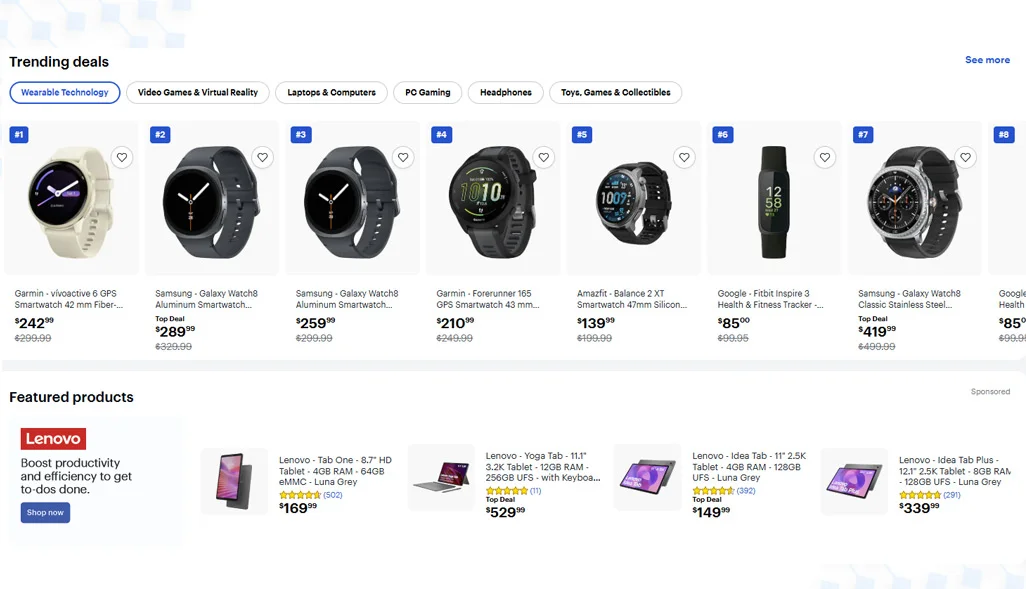
Large catalog datasets become more valuable when product information follows consistent structures across different sources. Businesses often need to compare prices, descriptions, specifications, categories, ratings, and availability without repeatedly transforming incompatible records. Consistent data organization supports E-Commerce Data Intelligence by making information easier to process, compare, validate, and connect with analytical systems.
Standardized collection can also simplify the development of reporting workflows. When product attributes follow predictable formats, businesses can identify missing information, detect changes, and create category-level comparisons with less manual preparation. An E-Commerce Product Catalog Scraping Tool can assist with recurring collection requirements while providing structured information that supports databases, dashboards, research platforms, and internal analytics environments.
Core data consistency benefits include:
- Standardized product attributes
- Easier cross-source comparisons
- Improved duplicate detection
- Simplified analytical processing
- More reliable reporting workflows
Data consistency is particularly important when businesses combine information from multiple marketplaces or geographic regions. Standardized product fields make it easier to identify duplicate records, compare similar products, monitor assortment changes, and analyze pricing movements. This creates a stronger foundation for teams that depend on large datasets for strategic research and ongoing market monitoring.
Data Attribute and Primary Analytical Purpose:
| Data Attribute | Primary Analytical Purpose |
|---|---|
| Product name | Product identification |
| Price | Competitive comparison |
| Availability | Inventory monitoring |
| Category | Assortment analysis |
| Specifications | Product comparison |
Consistent structures ultimately help organizations transform large volumes of raw product information into usable datasets that can support market analysis, competitive monitoring, reporting, and long-term catalog intelligence initiatives.
How Web Data Crawler Can Help You?
For organizations managing extensive product inventories, E-Commerce Product Catalog API Scraping can simplify recurring collection while supporting structured outputs for analytics, monitoring, and competitive research. We can help businesses organize catalog information into usable datasets without requiring teams to continuously redesign extraction workflows for expanding product volumes.
Its capabilities can support product-level information collection across categories, marketplaces, and business requirements. Key benefits include:
- Structured product information collection
- Recurring catalog data updates
- Flexible extraction across product categories
- Scalable workflows for large datasets
- Consistent data formatting for analysis
- Support for customized business requirements
A reliable workflow can also reduce repetitive data preparation and make collected information easier to integrate with internal databases, dashboards, and analytical systems. Businesses seeking a scalable E-Commerce Product Catalog Dataset API can use structured data delivery to simplify downstream processing and recurring catalog analysis.
Conclusion
For large and frequently changing catalogs, E-Commerce Product Catalog API Scraping can provide a structured approach to collecting product information while reducing repetitive development and maintenance requirements. Businesses can evaluate API-based workflows against custom approaches according to catalog size, update frequency, required fields, infrastructure, and long-term data management needs.
Organizations also require dependable information for pricing research, assortment monitoring, competitor analysis, and marketplace intelligence. An E-Commerce Product Catalog Scraping Tool can support these requirements by organizing recurring collection into a more manageable workflow. Contact Web Data Crawler to discuss your catalog data requirements and build a scalable approach aligned with your business objectives.