
How Do E-Commerce Price Monitoring Scraping Services Build Smarter Pricing Systems Step by Step?
Sep 22
Introduction
Competitive pricing has become an important part of ecommerce decision-making, where product prices can change frequently across marketplaces and online stores. Businesses need structured information to understand competitor movements, identify pricing gaps, and adjust their strategies according to changing market conditions. E-Commerce Price Monitoring Scraping Services help organize this process efficiently.
A well-designed monitoring setup can collect product names, current prices, discounts, availability, ratings, and other relevant attributes from multiple ecommerce sources. With Web Scraping Ecommerce Data, businesses can transform scattered online information into structured records that support regular comparison, reporting, and pricing analysis without depending entirely on manual research.
The process generally starts with identifying target stores, defining required product fields, collecting information, validating records, and scheduling recurring updates. Each stage contributes to a reliable pricing workflow that can support competitor benchmarking, promotional analysis, assortment planning, and more informed commercial decisions.
Establishing Strong Foundations For Smarter Ecommerce Pricing
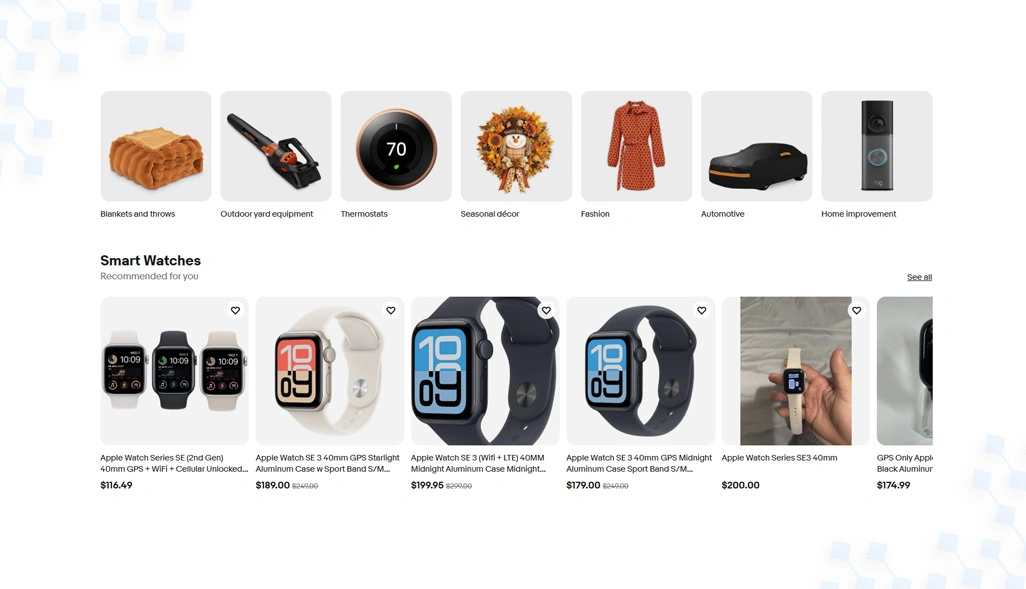
A reliable pricing framework starts by defining the information required for continuous competitor analysis. Businesses can identify target websites, products, categories, locations, pricing attributes, promotional details, and availability indicators before collection begins. When E-Commerce Data Scraping is incorporated into the process, information from multiple sources can be collected in standardized formats for easier comparison and subsequent analysis.
The next stage focuses on creating an organized extraction architecture. Businesses can determine crawling frequency, source priorities, product matching rules, and validation requirements according to their monitoring objectives. A clearly defined process helps maintain consistency when websites contain different layouts or product structures. It also supports How to Build an Ecommerce Price Monitoring System by establishing repeatable steps for collecting, cleaning, validating, and storing information across multiple ecommerce sources.
Several foundational activities can strengthen the overall workflow:
- Identify important competitor websites and marketplaces
- Define product and pricing fields
- Establish extraction and refresh schedules
- Create validation rules for collected records
- Standardize product identifiers across sources
Once these elements are established, the collected information can move into structured storage for recurring analysis. This makes it easier to maintain historical records and compare changes over time.
| Foundation Area | Purpose |
|---|---|
| Source Selection | Identify relevant ecommerce websites |
| Data Fields | Define required product attributes |
| Extraction Schedule | Establish recurring collection intervals |
| Validation | Detect incomplete or inconsistent records |
| Storage | Maintain structured historical information |
A strong foundation ultimately gives pricing teams a dependable starting point for monitoring market activity. It also reduces repeated manual research and creates a scalable structure that can accommodate additional products, competitors, categories, and locations as business requirements expand.
Converting Collected Pricing Records Into Useful Signals
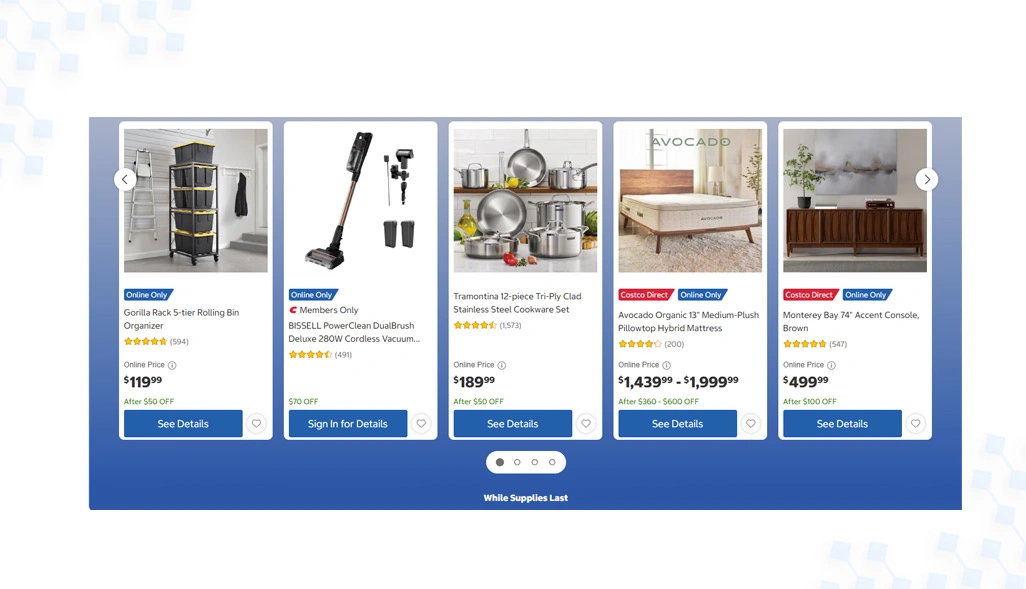
After collection, raw ecommerce records need to be organized into consistent structures that support meaningful analysis. Businesses can maintain product identifiers, current prices, previous prices, discounts, stock information, timestamps, and competitor references within organized E-Commerce Datasets. This structure makes historical comparison easier and helps teams identify meaningful changes instead of relying on isolated price observations.
Historical records are especially important because pricing decisions often depend on patterns rather than individual changes. Teams can compare current observations with previous records to understand recurring discounts, sudden price movements, promotional periods, and competitor responses. In this environment, Ecommerce Price Tracking Data Scraping can support recurring collection so businesses have updated records available for comparison and reporting.
Useful analysis can be developed around several important indicators:
- Current and previous product prices
- Competitor discount frequency
- Product availability changes
- Promotional activity across categories
- Historical pricing movements
These records can then feed reporting dashboards and analytical workflows. A structured Ecommerce Price Monitoring Tool Using Web Scraping can bring collection, organization, and monitoring activities into a repeatable workflow, helping teams review pricing information without manually gathering every update from individual ecommerce pages.
| Pricing Signal | Analytical Purpose |
|---|---|
| Price Movement | Identify changes over time |
| Discount Pattern | Review promotional behavior |
| Availability | Monitor product supply |
| Historical Record | Compare previous observations |
| Product Coverage | Evaluate monitored assortment |
Consistent records can also support broader commercial analysis, including competitor benchmarking, promotional planning, assortment evaluation, and pricing reviews. With historical information maintained systematically, teams can move beyond one-time comparisons and establish a longer-term view of how ecommerce pricing behaves across products and competitors.
Scaling Automated Monitoring Across Stores And Markets
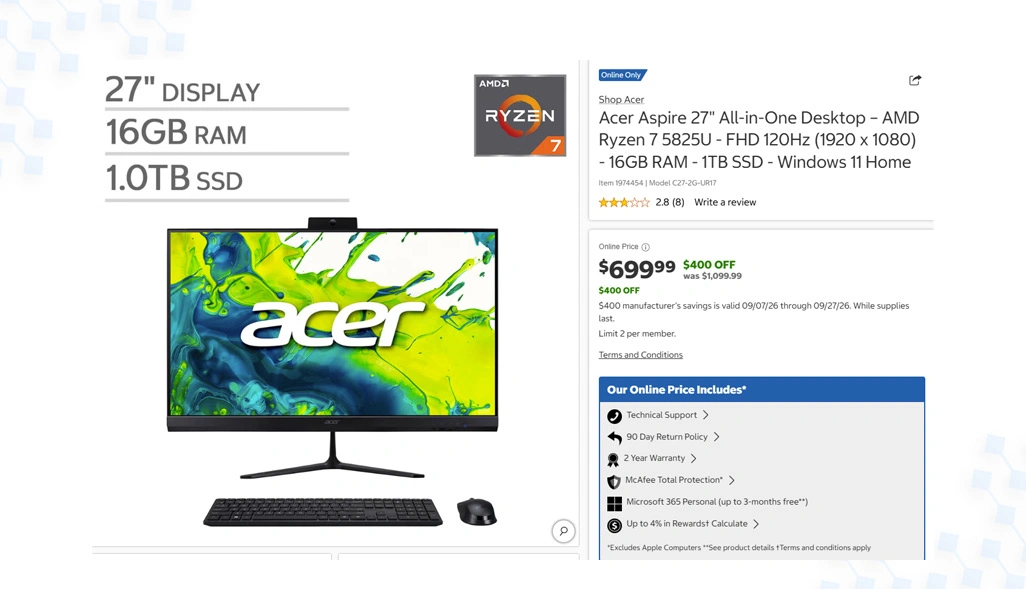
A mature pricing workflow requires automation that can continuously collect, process, and organize information without excessive manual intervention. Businesses can connect scheduled extraction with validation, storage, reporting, and regional monitoring requirements. When Store Location Data Scraping Services are incorporated where appropriate, organizations can also examine differences in pricing, stock availability, and promotions across individual locations or geographic markets.
Location-based monitoring becomes particularly useful for businesses operating across multiple regions. Prices may vary because of local promotions, inventory conditions, delivery areas, taxes, or market-specific strategies. Capturing these variations provides additional context for understanding competitor behavior. This makes geographic coverage an important extension of a scalable pricing intelligence framework.
A scalable workflow can include several automation layers:
- Scheduled collection across selected sources
- Automated product and location matching
- Data validation before storage
- Historical record maintenance
- Reporting and dashboard integration
Integration is another important component when pricing information needs to move between collection systems and business applications. Ecommerce Price Tracking API Scraping can support structured data delivery into selected analytical environments, allowing updated records to become part of dashboards, internal applications, reporting systems, or other downstream workflows.
| Automation Layer | Primary Function |
|---|---|
| Scheduler | Controls collection frequency |
| Extraction | Retrieves relevant information |
| Validation | Checks record consistency |
| Database | Stores historical records |
| Reporting | Presents analytical results |
With these components working together, businesses can expand monitoring coverage without rebuilding their entire workflow. Additional websites, products, categories, stores, and regions can be incorporated according to business requirements. This approach creates a more flexible pricing infrastructure capable of supporting recurring competitive analysis while keeping collected information organized and accessible.
How Web Data Crawler Can Help You?
Modern ecommerce businesses require dependable workflows that continuously collect, organize, validate, and prepare competitive information. We can support this process by structuring E-Commerce Price Monitoring Scraping Services around product identification, recurring extraction, data validation, and organized delivery.
Key capabilities include:
- Automated collection from selected ecommerce sources
- Structured product and pricing information
- Scheduled extraction and monitoring workflows
- Data validation and normalization processes
- Historical storage for comparative analysis
- Flexible delivery for analytical environments
A scalable workflow can connect collected information with dashboards, databases, reporting platforms, and business applications. Teams can establish repeatable monitoring processes while adapting the workflow to different product categories, competitors, regions, and collection frequencies.
This supports structured pricing analysis without creating unnecessary manual workloads. Businesses planning How to Build an Ecommerce Price Monitoring System can apply these principles to create a dependable process for competitor analysis, recurring price observation, historical comparison, and broader ecommerce intelligence.
Conclusion
A structured pricing workflow can transform frequently changing ecommerce information into organized intelligence for competitor analysis and commercial planning. Combining automated extraction, validation, historical storage, and recurring updates provides businesses with a consistent foundation for monitoring market activity. E-Commerce Price Monitoring Scraping Services can support this workflow from initial collection through ongoing analysis.
When collected records are connected with analytical systems, teams can evaluate pricing movements more consistently across products, competitors, stores, and regions. Ecommerce Price Tracking Data Scraping can further support recurring analysis by providing structured observations for comparison and reporting. Contact Web Data Crawler today to build a scalable ecommerce pricing data workflow tailored to your business requirements.