


How Can E-Commerce Dynamic Pricing Data Scraping Track Competitor Prices and Demand in Real-Time?
Sep 22
Introduction
E-commerce pricing changes rapidly as retailers respond to competitor movements, customer demand, inventory levels, promotions, and seasonal trends. Businesses need timely information to understand these shifts and adjust their pricing strategies accordingly. Web Scraping Ecommerce Data provides structured information that supports continuous market observation across multiple online stores and product categories.
Modern pricing teams increasingly rely on automated collection to compare product prices, availability, discounts, and promotional changes. E-Commerce Dynamic Pricing Data Scraping helps transform frequently changing marketplace information into organized datasets that can support faster competitive analysis, demand evaluation, and pricing decisions without depending entirely on manual research.
Real-time pricing intelligence also helps businesses identify recurring market patterns and unexpected price movements. By combining competitor information with historical records, retailers can evaluate pricing gaps, monitor demand signals, and refine their commercial strategies. This approach creates a more consistent foundation for responding to changing e-commerce conditions.
Advanced Competitor Monitoring Shapes Responsive E-Commerce Pricing Decisions

Competitor pricing can change several times throughout a single day, particularly during promotions, seasonal campaigns, product launches, and periods of fluctuating demand. Manual comparison makes it difficult for pricing teams to maintain an accurate market view because information becomes outdated quickly. Automated collection creates a structured way to observe competitor prices, discounts, availability, product variations, and promotional activity across multiple online stores.
This allows businesses to compare market conditions using consistent data rather than relying on occasional manual checks. How Ecommerce Sites Use Real-Time Data for Dynamic Pricing can be understood through these continuous pricing and inventory signals, which provide context around why particular products experience frequent changes.
Using E-Commerce Data Scraping within a broader monitoring workflow can also help businesses organize information from numerous product pages and competing marketplaces. Instead of reviewing individual websites repeatedly, teams can process large volumes of records through a standardized structure. Historical price observations make it easier to identify recurring changes, unusual movements, and differences between competing sellers.
| Data Point | Monitoring Purpose | Business Application |
|---|---|---|
| Product Price | Market comparison | Competitive analysis |
| Discount | Promotion tracking | Offer evaluation |
| Stock Status | Availability assessment | Demand monitoring |
| Product Variant | Catalog comparison | Assortment analysis |
Key monitoring capabilities include:
- Automated competitor price collection
- Scheduled product information updates
- Historical price record maintenance
- Discount and promotion comparison
- Stock availability observation
- Multi-category market monitoring
Businesses can further organize collected information around product categories, brands, sellers, and geographic markets. This creates a consistent foundation for reviewing pricing movements and identifying market segments where competitors frequently adjust their offers. The resulting historical records can support reporting and strategic reviews without depending exclusively on isolated observations.
Emerging Demand Signals Clarify Changing Online Pricing Patterns
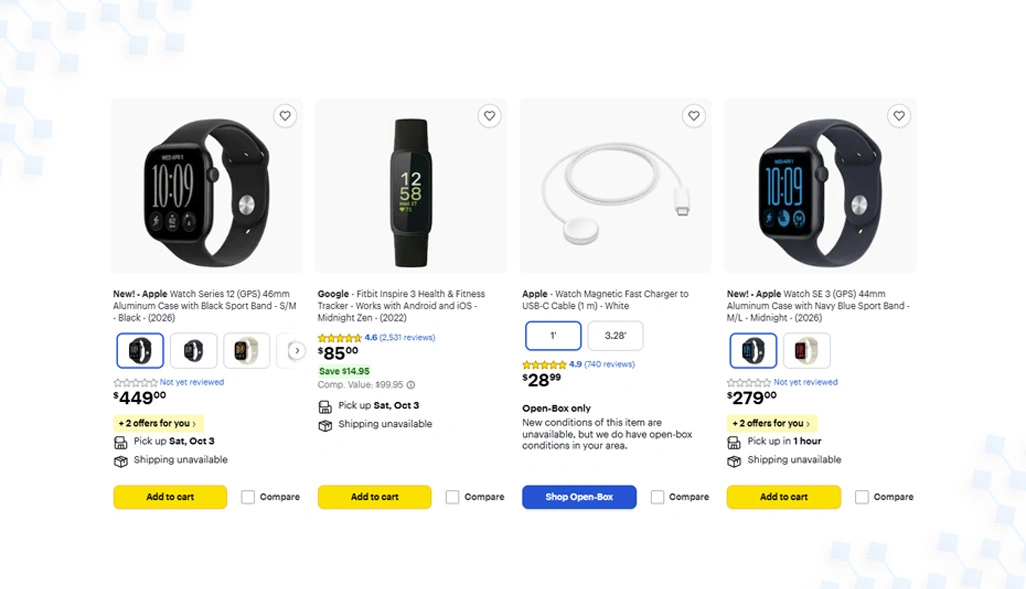
Demand and pricing are closely connected because product availability, customer interest, promotions, and competitor activity can influence how online retailers position their offers. A business that only observes current prices may miss important context behind those movements. Real-Time Ecommerce Price Monitoring Scraping can provide frequent observations of prices, discounts, availability, and other product-level indicators, creating a broader view of changing market conditions.
These observations can then be compared across products, sellers, categories, and time periods to identify meaningful changes. Historical information becomes particularly useful when businesses need to understand whether a price movement is temporary or part of a recurring pattern. E-Commerce Datasets can bring together records collected at different points in time, allowing analysts to compare previous and current market conditions.
This can reveal relationships between product availability, promotional campaigns, price adjustments, and changing consumer interest. Such comparisons are valuable when evaluating pricing decisions across fast-moving categories.
| Demand Indicator | Observable Signal | Analytical Purpose |
|---|---|---|
| Inventory Level | Limited availability | Demand assessment |
| Promotion Activity | Temporary offers | Campaign comparison |
| Review Volume | Increasing feedback | Interest evaluation |
| Price Movement | Frequent adjustments | Market observation |
Useful demand-oriented monitoring areas include:
- Product availability changes
- Competitor promotional activity
- Historical price movements
- Customer review activity
- Category-level demand signals
- Product-level comparison records
A structured Ecommerce Dynamic Pricing Analytics Dataset can help organize these observations into a usable analytical resource. Businesses can examine product-level movements over time instead of treating every pricing change as an isolated event. This supports trend identification, category comparisons, competitor benchmarking, and broader market research while providing a stronger foundation for pricing discussions.
Automated Market Observation Improves E-Commerce Pricing Responsiveness
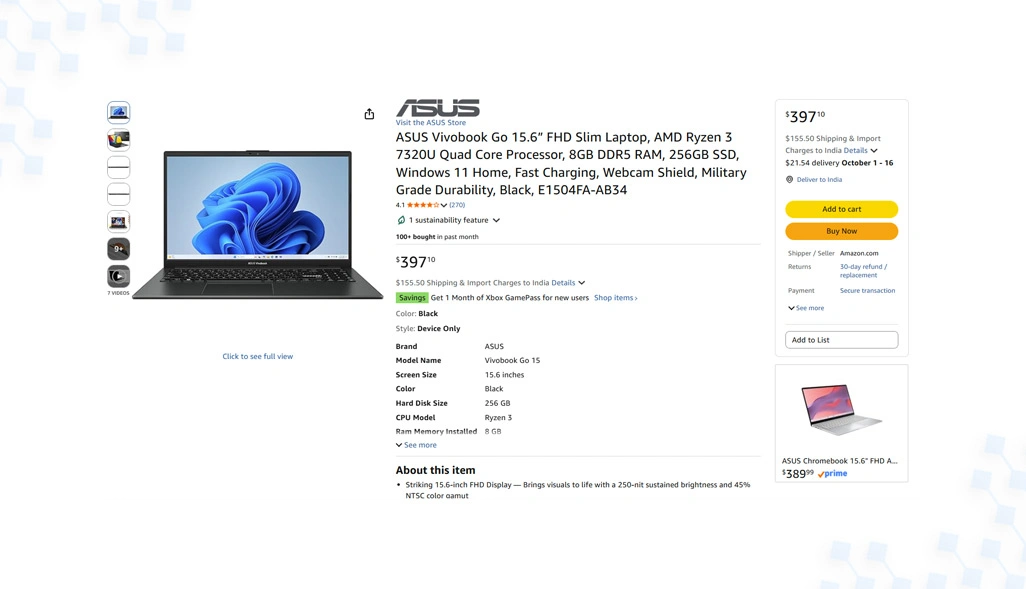
Dynamic pricing environments require timely market information because competitor adjustments can occur quickly during promotional periods, seasonal events, and demand fluctuations. Businesses therefore need a reliable mechanism for collecting and organizing changing product information. A Web Crawler can support this process by systematically visiting relevant pages and collecting predefined information such as product prices, discounts, availability, descriptions, and other market attributes.
Automated collection reduces the dependence on repetitive manual checks while creating structured records for ongoing analysis. Once collected, pricing information can be organized according to product, category, seller, marketplace, or observation time. Ecommerce Pricing Strategy Intelligence Dataset records can provide historical context for comparing current market movements with previous observations.
This allows teams to examine whether competitor changes are isolated events or part of broader pricing patterns. It can also help analysts review differences between products and identify areas requiring closer monitoring.
| Market Element | Observation Focus | Strategic Use |
|---|---|---|
| Competitor Price | Current position | Price comparison |
| Promotions | Offer frequency | Campaign review |
| Availability | Stock condition | Demand assessment |
| Product Changes | Catalog movement | Market tracking |
Important automation capabilities include:
- Scheduled information collection
- Structured product data organization
- Historical record creation
- Competitor movement tracking
- Category-level monitoring
- Scalable marketplace coverage
Businesses can also use Ecommerce Price Analytics Data Scraping to organize product-level information into consistent records for comparison and reporting. When historical observations are maintained, analysts can review pricing movements across different periods and identify recurring patterns. This creates a more dependable foundation for market intelligence, competitor benchmarking, and internal pricing discussions.
How Web Data Crawler Can Help You?
A reliable data collection system can simplify large-scale market monitoring by continuously gathering relevant e-commerce information. When implemented correctly, E-Commerce Dynamic Pricing Data Scraping can help businesses track competitor prices, product availability, discounts, and market changes through structured data rather than repetitive manual research.
Key capabilities include:
- Automated collection across multiple e-commerce websites
- Structured product and pricing data extraction
- Scheduled monitoring for frequent market updates
- Historical storage for price comparison
- Flexible datasets for analytics and reporting
- Scalable collection across products and categories
These capabilities make it easier for businesses to maintain consistent pricing intelligence while reducing repetitive data collection efforts. The collected information can also support Ecommerce Dynamic Pricing Analytics Dataset development after the monitoring process has established sufficient historical records for comparison, trend evaluation, and demand analysis.
Conclusion
Modern pricing environments require businesses to respond to competitor movements and changing customer demand with timely information. E-Commerce Dynamic Pricing Data Scraping provides a structured approach for collecting price, promotion, availability, and product information that can support continuous market analysis and more responsive pricing workflows.
Combining automated collection with historical analysis can make pricing intelligence more consistent and actionable. Real-Time Ecommerce Price Monitoring Scraping helps businesses maintain visibility into changing market conditions while supporting competitive comparisons and demand evaluation. Contact Web Data Crawler to build a scalable data collection solution tailored to your e-commerce pricing and market intelligence requirements.