
DoorDash Data Intelligence: How Food Delivery Data Scraping Powers Competitive Growth and Market Insights
June 22
Introduction
The food delivery industry has experienced unprecedented growth in recent years, transforming how consumers order meals, groceries, and convenience items. Among the leading platforms driving this evolution, DoorDash has established itself as one of the largest food delivery marketplaces, connecting millions of customers with restaurants, grocery stores, and retailers across numerous cities.
As competition intensifies in the food delivery ecosystem, businesses require accurate, real-time data to understand pricing strategies, menu trends, customer preferences, restaurant performance, delivery coverage, and promotional activities. This increasing demand for actionable intelligence has fueled the adoption of DoorDash food delivery data scraping solutions.
By leveraging DoorDash food scraping API technologies and web scraping DoorDash food delivery data, businesses can collect structured marketplace information that supports pricing optimization, market research, competitive analysis, and operational decision-making. Whether you're a restaurant chain, food-tech startup, market research company, cloud kitchen operator, or data analytics provider, access to DoorDash marketplace data can unlock significant business opportunities.
This comprehensive guide explores the benefits, applications, challenges, and future potential of DoorDash food delivery data extraction, helping organizations understand how to effectively scrape DoorDash food delivery data for competitive advantage.
Understanding DoorDash and Its Market Influence
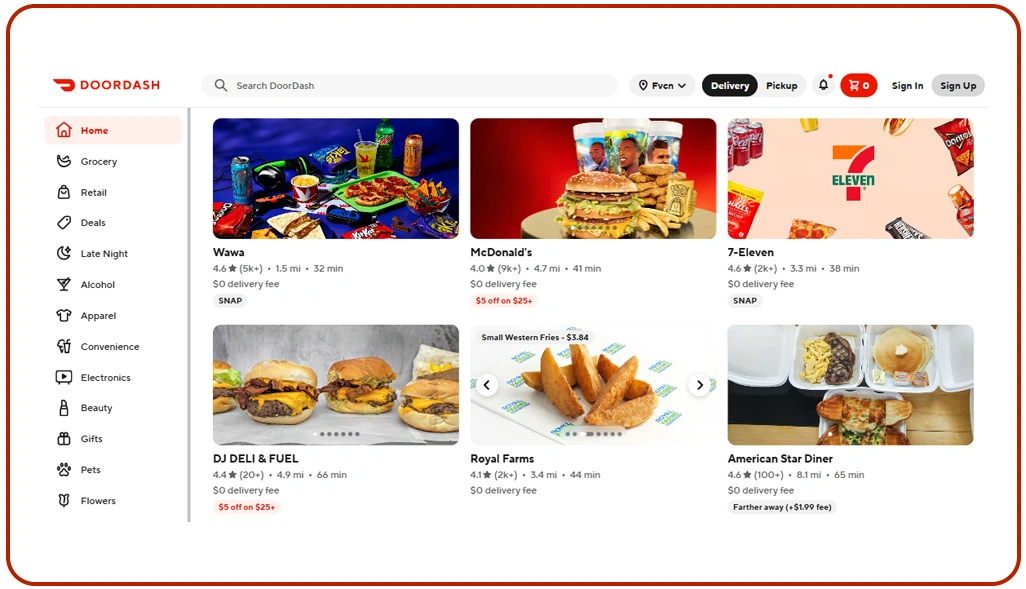
DoorDash has become a dominant force in the food delivery industry by offering:
- Restaurant delivery services
- Grocery delivery
- Convenience store delivery
- Alcohol delivery (where permitted)
- Retail product delivery
- Subscription-based delivery programs
The platform hosts thousands of restaurants and merchants across multiple regions, creating a dynamic marketplace where menu offerings, pricing, delivery fees, promotions, and availability change frequently.
For businesses, this ecosystem provides valuable insights into:
- Consumer ordering behavior
- Restaurant popularity
- Pricing trends
- Promotional strategies
- Menu optimization
- Delivery performance
- Regional demand patterns
These insights can be unlocked through professional DoorDash food delivery data scraping solutions.
What Is DoorDash Food Delivery Data Scraping?
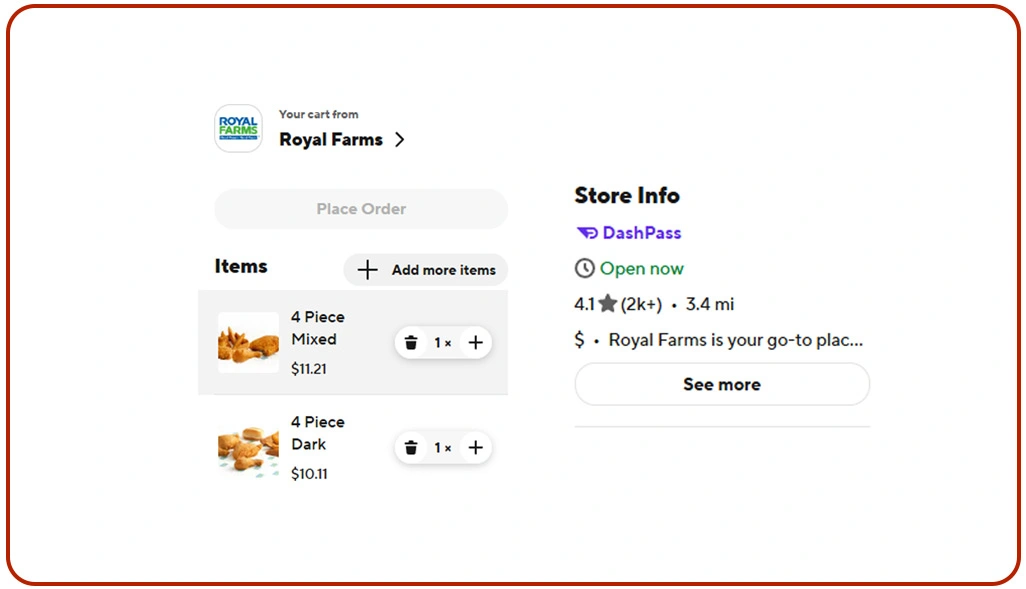
DoorDash food delivery data scraping refers to the automated collection of publicly available information from DoorDash restaurant listings, menu pages, category pages, search results, promotions, and delivery marketplaces.
Organizations use advanced extraction systems to gather structured data that can be analyzed for business intelligence and strategic planning.
Typical data collected includes:
Restaurant Information
- Restaurant name
- Cuisine type
- Restaurant location
- Operating hours
- Delivery zones
Menu Data
- Menu item names
- Descriptions
- Categories
- Add-ons
- Customizations
Pricing Information
- Item prices
- Delivery fees
- Service charges
- Promotional pricing
Customer Feedback
- Ratings
- Reviews
- Review counts
Promotional Data
- Coupons
- Discounts
- Free delivery offers
- Limited-time deals
Delivery Intelligence
- Estimated delivery times
- Delivery availability
- Geographic coverage
This data enables organizations to make informed decisions based on real-time marketplace intelligence.
Many organizations use a DoorDash Food Data Crawler to automate the collection of restaurant listings, menu information, pricing details, promotions, and delivery estimates. These automated systems help create scalable and continuously updated marketplace intelligence.
Why Businesses Need DoorDash Food Delivery Data Scraping
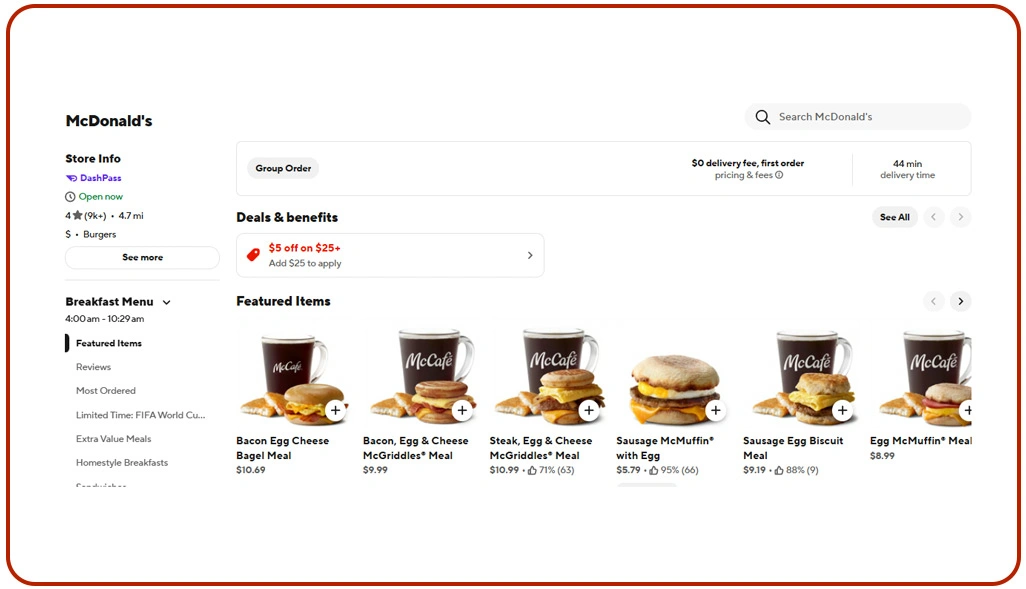
The food delivery market evolves rapidly. Restaurants update menus, prices fluctuate, promotions launch frequently, and customer preferences change continuously.
Manual tracking is inefficient and nearly impossible at scale.
Professional DoorDash food delivery data scraping solutions provide automated access to marketplace intelligence.
Key benefits include:
- Competitive Benchmarking: Track competitors' menu offerings and pricing strategies.
- Dynamic Pricing Optimization: Adjust pricing based on market conditions.
- Menu Intelligence: Monitor popular menu categories and trending dishes.
- Promotion Analysis: Evaluate discount effectiveness and campaign performance.
- Market Expansion Research: Identify high-demand regions and market opportunities.
- Consumer Trend Monitoring: Understand changing food ordering behavior.
Types of Data Collected Through Web Scraping DoorDash Food Delivery Data
Restaurant Listing Data
One of the most common applications of web scraping DoorDash food delivery data is collecting restaurant marketplace information.
Data points include:
| Data Field | Description |
|---|---|
| Restaurant Name | Merchant name |
| Cuisine Type | Food category |
| Rating | Customer rating |
| Review Count | Total reviews |
| Location | Delivery area |
| Operating Hours | Business hours |
This information supports restaurant benchmarking and competitive analysis.
Menu Data Intelligence
Menu data is among the most valuable assets for restaurants and food-tech businesses.
Collected information includes:
- Menu categories
- Item names
- Descriptions
- Prices
- Add-ons
- Customization options
Menu intelligence helps businesses understand consumer preferences and optimize offerings.
Pricing Intelligence Data
Pricing is a major factor influencing customer decisions.
Organizations can monitor:
- Menu pricing
- Delivery fees
- Service charges
- Promotional pricing
- Competitor discounts
These insights support pricing optimization strategies.
Delivery Performance Data
Businesses can analyze:
- Estimated delivery times
- Delivery radius
- Delivery availability
- Service area coverage
Delivery intelligence supports operational planning and logistics optimization.
To streamline large-scale data collection, businesses often integrate a DoorDash Food Data API that delivers structured restaurant, menu, pricing, and delivery information for analytics, benchmarking, and market research initiatives.
DoorDash Food Scraping API for Structured Data Collection
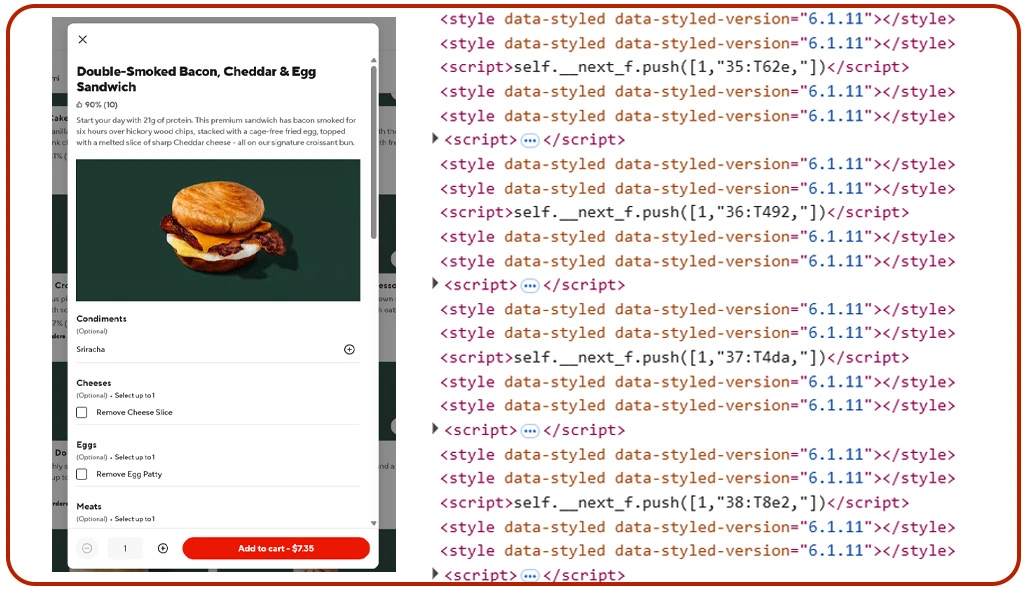
Many organizations utilize DoorDash food scraping API solutions to streamline data collection and improve extraction efficiency.
API-driven collection provides access to structured datasets such as:
- Restaurant metadata
- Menu information
- Pricing details
- Delivery estimates
- Availability data
Benefits of API-based extraction include:
- Faster Data Retrieval: Structured endpoints reduce extraction time.
- Improved Data Accuracy: Consistent formatting minimizes data processing requirements.
- Scalability: Large datasets can be collected efficiently.
- Real-Time Insights: Businesses gain quicker access to marketplace updates.
Many organizations combine APIs with web scraping to maximize coverage and data completeness.
Major Business Applications of DoorDash Food Delivery Data Extraction
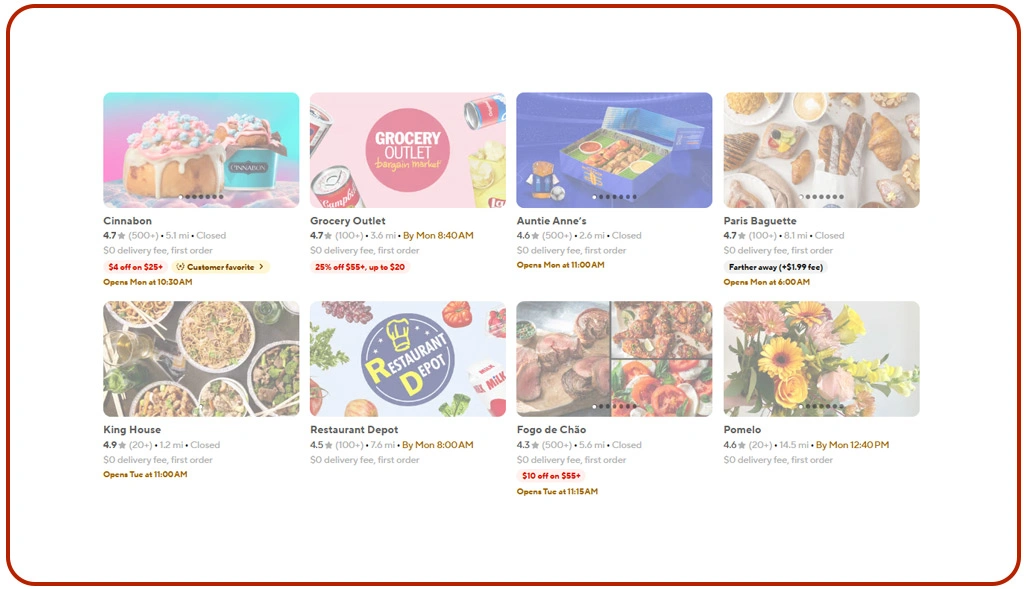
Competitive Restaurant Analysis
Restaurant operators use DoorDash food delivery data extraction to compare:
- Menu offerings
- Pricing strategies
- Customer ratings
- Promotional activity
Benefits include:
- Better positioning
- Competitive pricing
- Improved menu planning
Menu Optimization
Businesses analyze marketplace data to identify:
- Popular dishes
- Trending cuisines
- High-performing categories
- Emerging food trends
These insights improve menu development and customer satisfaction.
Food Delivery Market Research
Market research firms leverage DoorDash data to understand:
- Consumer behavior
- Regional demand
- Delivery trends
- Restaurant performance
The resulting intelligence supports industry forecasting and strategic planning.
Promotion Intelligence
Promotions significantly impact food ordering decisions.
Organizations monitor:
- Discount campaigns
- Free delivery promotions
- Limited-time offers
- Loyalty incentives
Promotion analytics help maximize marketing ROI.
Expansion Planning
Restaurant brands use marketplace data to evaluate:
- New delivery zones
- High-demand neighborhoods
- Competitive density
- Consumer demand patterns
These insights support data-driven expansion strategies.
Industries Benefiting from DoorDash Food Delivery Data Scraping
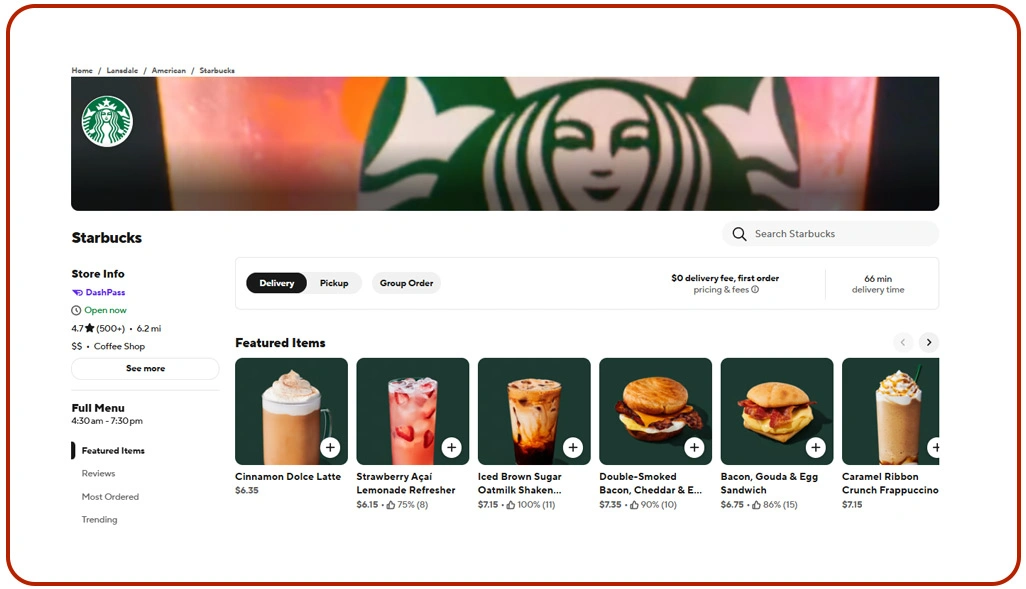
Restaurant Chains
Restaurant operators gain insights into:
- Competitor menus
- Pricing trends
- Consumer preferences
Cloud Kitchens
Virtual kitchen brands use marketplace intelligence to identify growth opportunities and optimize offerings.
Food-Tech Companies
Technology providers build analytics products using food delivery marketplace data.
Market Research Firms
Researchers create detailed reports on food delivery trends and consumer behavior.
Investment and Consulting Firms
Consultants and investors evaluate market performance and growth opportunities using delivery platform data.
Essential Data Fields Available Through DoorDash Food Delivery Data Extraction
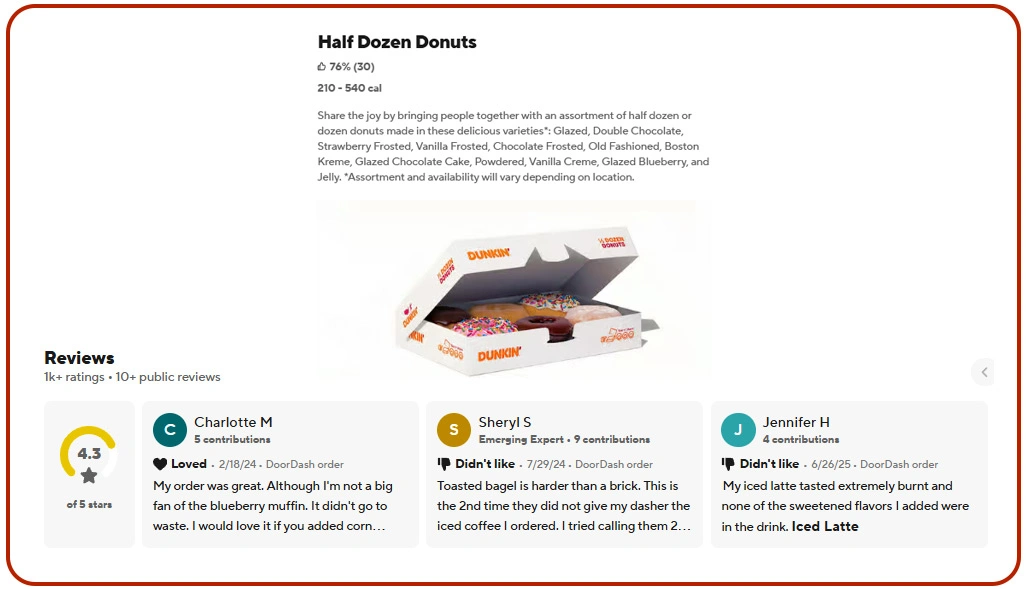
A comprehensive scraping solution can collect:
Restaurant Data
- Restaurant ID
- Restaurant name
- Cuisine type
- Operating hours
Menu Data
- Menu categories
- Product names
- Descriptions
- Prices
Pricing Data
- Item prices
- Delivery fees
- Service charges
- Promotions
Review Data
- Ratings
- Review counts
- Customer feedback
Delivery Data
- Delivery time estimates
- Delivery zones
- Service availability
Promotion Data
- Coupons
- Discounts
- Limited-time deals
These datasets support advanced analytics and competitive intelligence initiatives.
Challenges in Scraping DoorDash Food Delivery Data
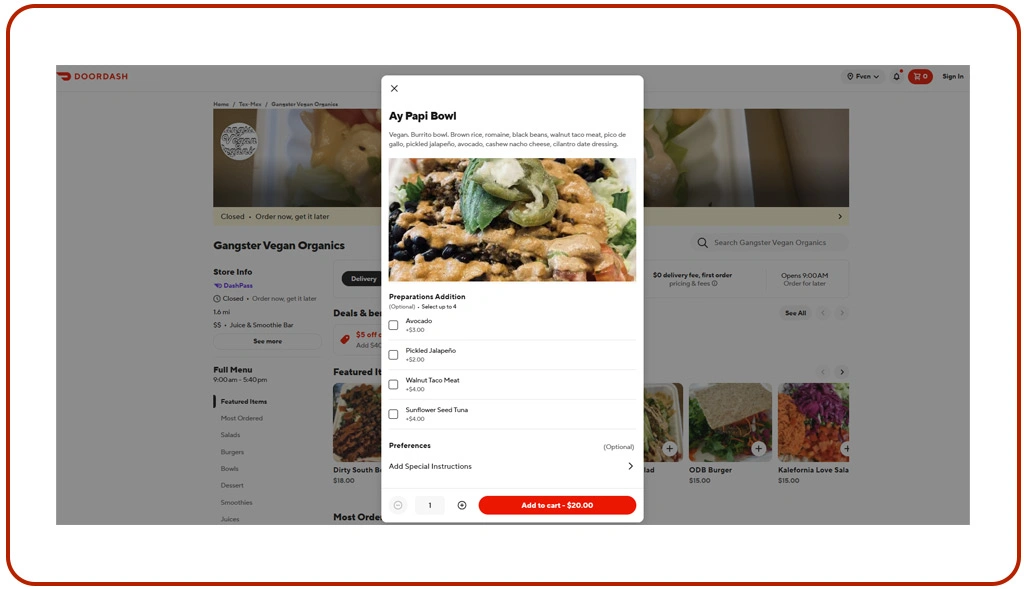
While the benefits are significant, extracting marketplace data presents several challenges.
Dynamic Website Content
Modern delivery platforms frequently use JavaScript rendering and dynamic content loading.
Scraping systems must support advanced rendering capabilities.
Frequent Menu Updates
Restaurants regularly update menu items, pricing, and availability.
Automated monitoring is essential for maintaining accurate datasets.
Geographic Variability
Menu availability and pricing vary by location.
Data collection systems must support multi-location extraction.
Large Data Volumes
DoorDash hosts thousands of restaurants and millions of menu items.
Scalable infrastructure is required for comprehensive coverage.
Data Normalization
Raw marketplace data often requires cleaning and standardization before analysis.
Organizations typically use ETL workflows to improve data quality.
Best Practices for DoorDash Food Delivery Data Scraping
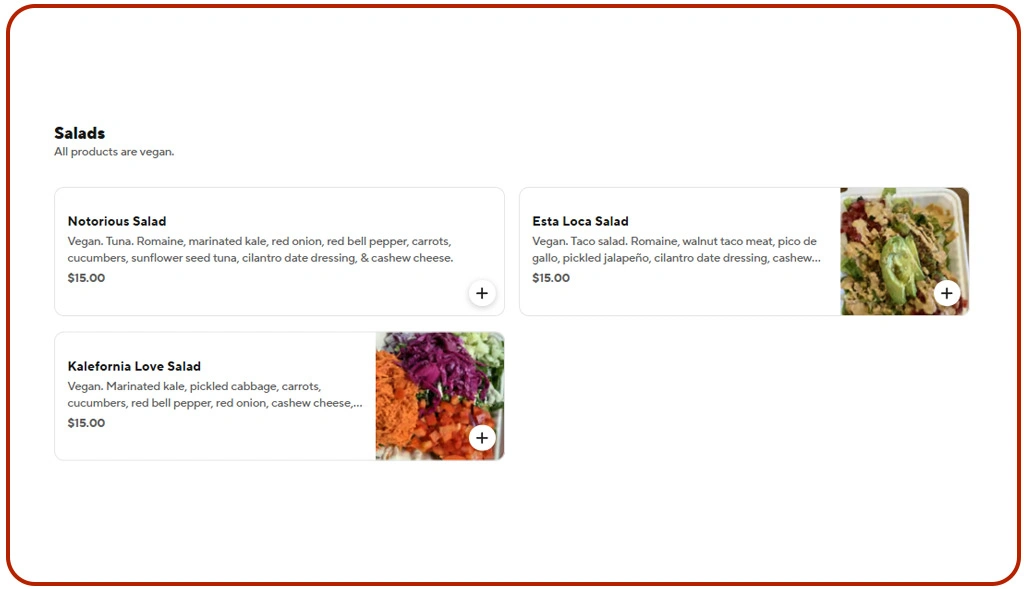
To maximize value from DoorDash food delivery data scraping, organizations should follow proven best practices.
Define Clear Objectives
Identify whether the focus is:
- Menu intelligence
- Pricing analysis
- Market research
- Promotion tracking
Clear objectives improve extraction efficiency.
Automate Collection Processes
Automation ensures:
- Consistent updates
- Reduced manual effort
- Higher accuracy
Standardize Extracted Data
Normalize:
- Menu categories
- Restaurant names
- Cuisine types
- Pricing formats
This improves reporting and analytics.
Build Real-Time Dashboards
Interactive dashboards enable teams to monitor:
- Pricing changes
- Restaurant performance
- Delivery trends
- Promotional activity
Integrate with BI Platforms
Organizations can combine extracted data with:
- Power BI
- Tableau
- Looker
- Custom analytics solutions
This enables deeper business insights.
How AI Is Transforming DoorDash Food Delivery Analytics
Artificial Intelligence is revolutionizing food delivery intelligence.
AI-powered systems can:
- Identify Menu Trends: Machine learning models detect emerging food preferences.
- Analyze Customer Sentiment: Natural language processing evaluates reviews at scale.
- Forecast Demand: Predictive analytics estimate future ordering behavior.
- Detect Pricing Changes: AI identifies unusual market movements and competitive actions.
- Generate Actionable Recommendations: Advanced analytics convert raw data into business intelligence.
The combination of AI and data extraction creates powerful competitive advantages.
Future Trends in DoorDash Data Intelligence
The future of food delivery analytics will be driven by increasingly sophisticated data strategies.
Emerging trends include:
- Hyperlocal Demand Forecasting: Businesses will analyze demand at neighborhood levels.
- Real-Time Competitive Monitoring: Restaurants will respond instantly to competitor activity.
- AI-Powered Menu Optimization: Advanced models will recommend menu changes based on consumer behavior.
- Delivery Performance Analytics: Organizations will optimize delivery operations using real-time intelligence.
- Unified Food Delivery Intelligence: Businesses will combine data from multiple delivery platforms for a comprehensive market view.
Why DoorDash Data Matters for Business Growth
Organizations investing in DoorDash food delivery data scraping gain access to one of the richest sources of food delivery market intelligence available today.
The ability to:
- Conduct DoorDash food delivery data scraping
- Utilize DoorDash food scraping API solutions
- Perform large-scale web scraping DoorDash food delivery data
- Efficiently scrape DoorDash food delivery data
- Implement advanced DoorDash food delivery data extraction
allows businesses to optimize pricing, improve menus, monitor competitors, understand consumers, and identify growth opportunities.
As food delivery continues to expand globally, data-driven decision-making will become increasingly essential for maintaining a competitive edge.
Conclusion
A comprehensive DoorDash Restaurant Dataset enables businesses to analyze restaurant performance, menu trends, pricing strategies, customer ratings, delivery coverage, and promotional activity across multiple markets, creating a strong foundation for competitive intelligence.
The food delivery marketplace is evolving rapidly, making access to accurate and timely data a strategic necessity. Through DoorDash food delivery data scraping, businesses can gain valuable insights into restaurant performance, menu trends, pricing strategies, delivery operations, customer preferences, and promotional activities.
Organizations leveraging DoorDash food scraping API solutions, implementing web scraping DoorDash food delivery data, and investing in comprehensive DoorDash food delivery data extraction initiatives can transform marketplace information into actionable intelligence that drives growth and operational efficiency.
Web Data Crawler provides scalable, reliable, and customized DoorDash data extraction solutions designed to help businesses unlock the full value of food delivery marketplace intelligence. From restaurant monitoring and menu analytics to pricing intelligence and competitive benchmarking, Web Data Crawler empowers organizations to make smarter decisions and stay ahead in the rapidly growing food delivery ecosystem.