


How Can Businesses Simplify Deliveroo & Seamless Restaurant Data Extraction for Insights at Scale?
08 September 2026
Introduction
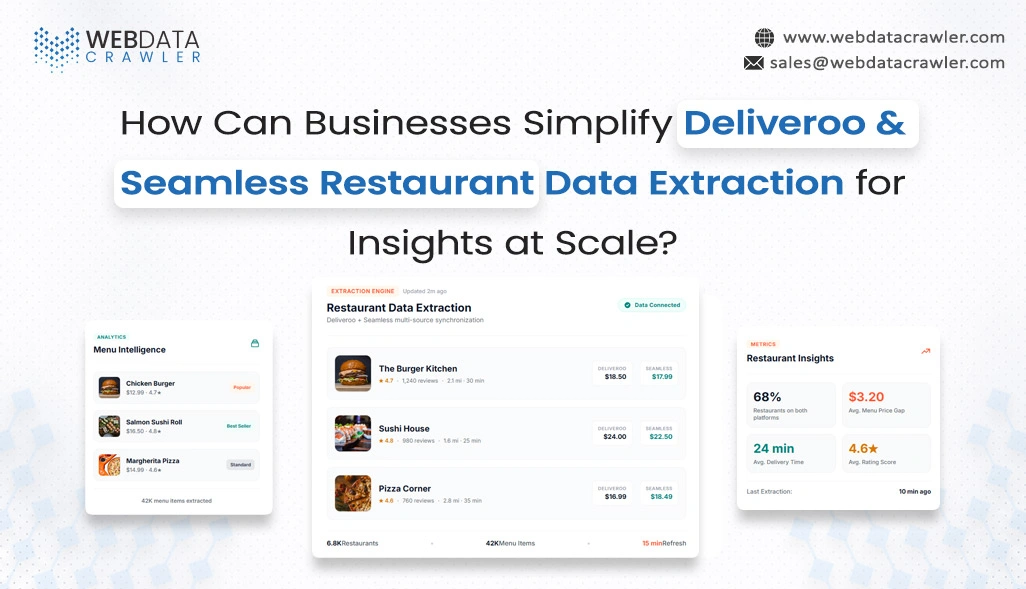
Restaurant delivery platforms contain extensive information about menus, prices, ratings, delivery conditions, promotions, and restaurant availability. For businesses comparing competitors across locations, collecting this information manually can become repetitive and difficult to maintain. Deliveroo & Seamless Restaurant Data Extraction for Insights provides a structured approach for organizing this information.
Deliveroo reported 147 million orders and £3.79 billion in gross transaction value during H1 2025, showing the scale of activity available across its marketplace. Businesses can use Web Scraping Deliveroo Delivery Data to examine delivery fees, estimated times, restaurant coverage, and other marketplace signals.
Seamless also remains an important restaurant ordering channel, particularly in New York City, while Grubhub reported more than 415,000 merchants across its broader network and over 4,000 cities in 2025. Combining structured marketplace information with historical comparisons can make restaurant intelligence more consistent and actionable.
Smart Foundations for Organizing Large-Scale Restaurant Marketplace Data Workflows
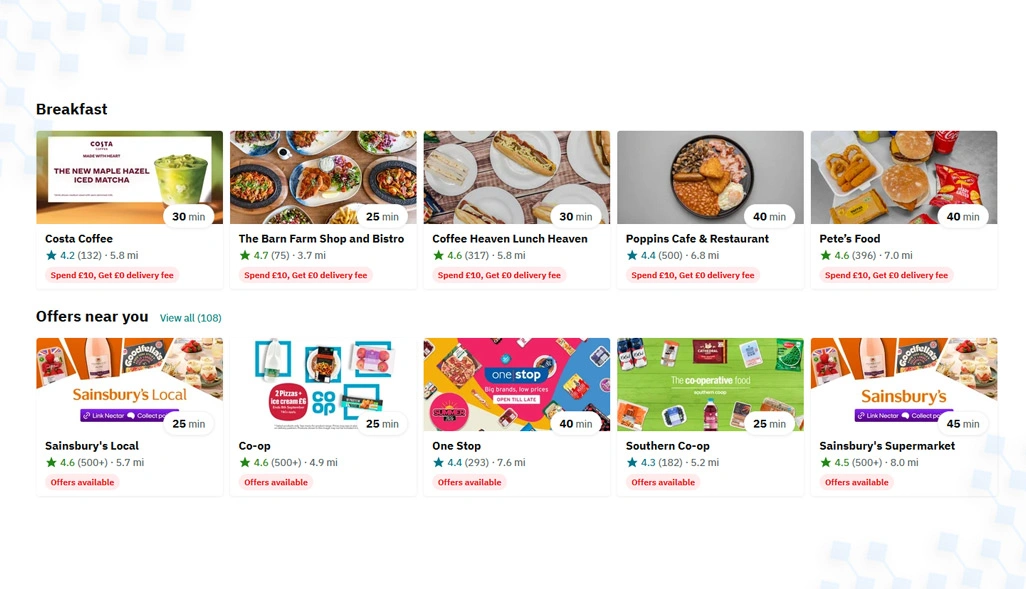
Restaurant data collection becomes more effective when businesses establish a consistent framework for gathering information across different marketplace environments. Instead of manually recording individual listings, teams can define specific fields for restaurant names, cuisines, menu categories, item prices, ratings, delivery information, promotions, and operating details.
When organizations Extract Deliveroo Restaurant Data for Analysis, they can organize marketplace information according to predefined fields and collection schedules. This makes it easier to identify missing values, duplicate listings, unusual pricing changes, and restaurant-level differences. A standardized structure also allows research teams to maintain historical records instead of repeatedly starting their analysis from newly collected information.
Businesses should also consider how restaurant information changes based on location, time, menu availability, and promotional activity. A scalable process should also account for location, collection time, category, and restaurant identifiers. Seamless Food Delivery Data Scraping can extend the same framework across another marketplace, allowing businesses to compare restaurant positioning, pricing, menu depth, and availability using standardized records.
- Define standardized restaurant data fields
- Establish location-specific collection parameters
- Schedule recurring data collection
- Validate records before storage
- Maintain historical marketplace snapshots
A scalable workflow can therefore combine automated collection, validation, cleaning, and structured storage. Teams can define collection frequencies based on their requirements, while quality checks help maintain reliable records. The following framework highlights the major elements involved in creating a consistent collection process.
| Data Component | Analytical Purpose |
|---|---|
| Restaurant profiles | Business identification |
| Menu information | Assortment comparison |
| Pricing records | Price benchmarking |
| Ratings | Customer perception analysis |
| Delivery information | Service comparison |
Insight-Driven Methods for Converting Restaurant Records Into Competitive Intelligence
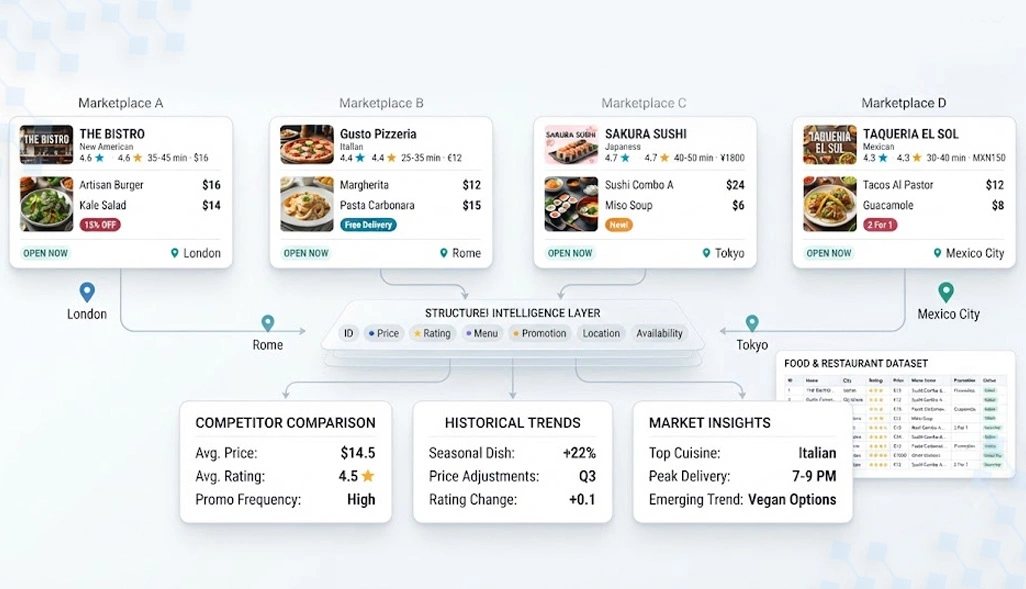
Raw restaurant information becomes more valuable when it can be standardized and compared across marketplaces. Businesses can collect restaurant profiles, menu items, pricing information, ratings, promotions, and availability before converting these records into consistent analytical fields. This helps teams evaluate restaurant positioning and identify differences between competing businesses within selected markets.
Through Seamless Food API Scraping for Industry Insights, organizations can structure marketplace information for recurring analytical workflows. API-oriented processes can make collected records easier to transfer into databases, dashboards, or reporting environments. When combined with validation rules, businesses can reduce inconsistencies caused by missing fields, duplicated listings, or differently formatted restaurant information.
Historical datasets can also provide a stronger foundation for restaurant market research. Food and Restaurant Datasets can help businesses compare pricing movements, menu expansion, promotional patterns, restaurant availability, and category-level changes over time. Rather than reviewing individual records manually, analysts can examine larger collections to identify recurring trends and market differences.
- Standardize collected marketplace fields
- Match comparable restaurant records
- Track historical changes
- Segment results by location
- Prepare data for dashboards and reports
A useful analytical framework should connect collected records with specific business objectives. Pricing teams may focus on item-level changes, while market researchers may examine restaurant density and cuisine distribution. Competitor teams can evaluate promotions, ratings, menu assortment, and delivery conditions to understand how businesses position themselves within particular markets.
| Analysis Area | Business Application |
|---|---|
| Price movement | Competitive benchmarking |
| Menu assortment | Product strategy |
| Restaurant density | Market evaluation |
| Promotional activity | Offer comparison |
| Rating patterns | Reputation assessment |
Strategic Expansion for Monitoring Restaurant Competition Across Multiple Geographic Markets
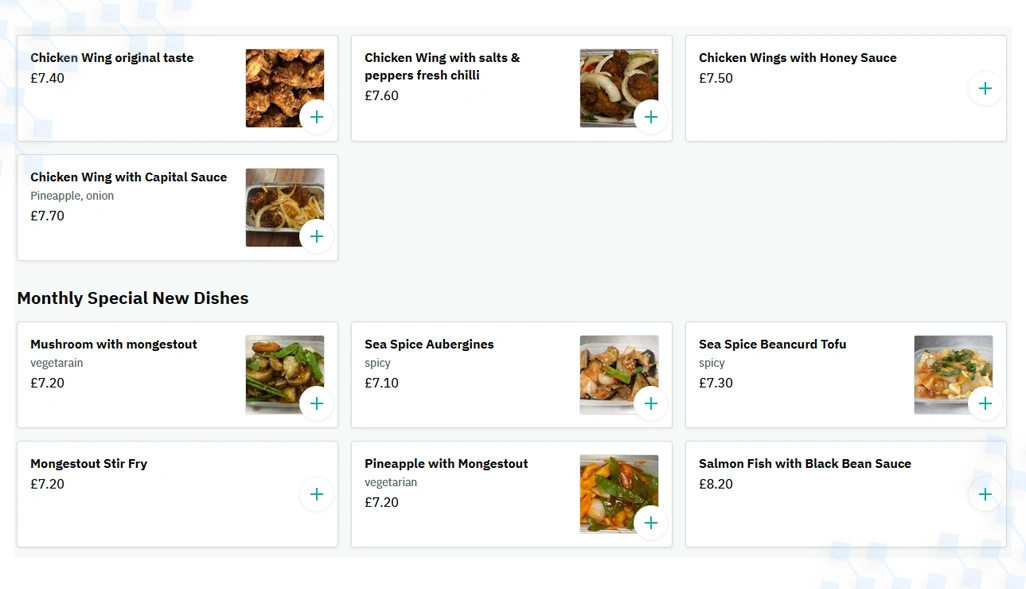
Competitive restaurant monitoring requires more than collecting information from a single marketplace at one point in time. Businesses operating across several locations need structured workflows that can accommodate larger volumes of restaurant records while maintaining consistency. Automated processes can help teams repeatedly collect relevant information and prepare it for comparison without relying heavily on manual research.
A Deliveroo Restaurant Dataset can organize restaurant profiles, menu information, prices, ratings, promotions, and delivery conditions into structured records. Businesses can then segment these records by location, cuisine, restaurant type, or other analytical categories. This makes it easier to identify differences between markets and evaluate competitor activity using consistent data points.
Following a Deliveroo Data Extraction Guide for Brands can help organizations define collection requirements before expanding their monitoring operations. Teams can establish the fields they need, determine appropriate collection intervals, and introduce validation procedures to improve consistency. These steps are particularly important when businesses need to monitor large restaurant inventories across multiple geographic areas.
- Monitor selected restaurant categories
- Organize records by geographic market
- Compare competitor menu structures
- Track pricing and promotions
- Maintain recurring historical snapshots
Businesses can additionally Scrape Seamless Restaurant Data Using Web Scraping to establish a comparable collection process across another marketplace. Combining standardized records from multiple sources can support competitive benchmarking, menu comparisons, pricing reviews, promotional analysis, and restaurant availability monitoring. The following structure illustrates several areas that can be incorporated into a scalable monitoring workflow.
| Monitoring Area | Strategic Objective |
|---|---|
| Restaurant coverage | Market comparison |
| Menu changes | Assortment monitoring |
| Pricing updates | Competitive review |
| Promotions | Offer benchmarking |
| Delivery conditions | Service evaluation |
How Web Data Crawler Can Help You?
For organizations handling restaurant intelligence across several marketplaces, Deliveroo & Seamless Restaurant Data Extraction for Insights can become part of a structured data pipeline. We can help businesses collect, organize, clean, and prepare marketplace information for recurring analytical requirements while maintaining consistent data structures.
- Automated collection across selected restaurant sources
- Structured extraction of menu and pricing information
- Location-wise organization of restaurant records
- Data cleaning and duplicate record removal
- Flexible output formats for analytics and reporting
- Scalable workflows for recurring marketplace monitoring
A structured workflow can reduce repetitive manual research and help teams work with consistent records. Businesses can define collection schedules according to their monitoring requirements and organize the resulting information for downstream analytical applications.
For larger requirements, Advanced Deliveroo Food Data Scraping for Better Analysis can support businesses that need extensive restaurant records and recurring collection workflows. We can also help structure collected information according to business-specific requirements, making it suitable for competitive intelligence, pricing analysis, restaurant research, and marketplace monitoring.
Conclusion
Restaurant marketplaces continuously change menus, prices, promotions, delivery conditions, and restaurant availability. Deliveroo & Seamless Restaurant Data Extraction for Insights provides businesses with a practical foundation for organizing these changes into structured information that can support competitive research, pricing analysis, and restaurant market evaluation.
When these workflows are designed for scale, businesses can reduce repetitive collection and create more consistent datasets for ongoing analysis. Deliveroo Data Extraction Guide for Brands can help teams define suitable collection fields and monitoring processes according to their research requirements. Contact Web Data Crawler today to build a scalable restaurant data extraction solution tailored to your market research and competitive intelligence needs.