
How Does Deliveroo Food Delivery Data Scraping for Restaurant Analytics Support Better Menu Planning?
July 2 2026
Introduction
Restaurant operators increasingly depend on marketplace intelligence to understand how menu choices, price points, customer preferences, and delivery availability influence digital ordering performance. Deliveroo presents a valuable source of restaurant-level information because its listings reflect active menus, changing promotions, cuisine demand, delivery conditions, ratings, and competitor positioning across multiple service areas.
When analyzed systematically, this information helps restaurant brands move beyond assumptions and make menu decisions based on visible market activity. Using a Deliveroo Food Data API enables businesses to collect structured details from restaurant listings, including item names, category placement, prices, discounts, dietary labels, delivery fees, ratings, and review signals.
Instead of manually reviewing hundreds of listings, teams can evaluate menu patterns across locations and cuisine segments through organized datasets. Deliveroo Food Delivery Data Scraping for Restaurant Analytics supports restaurant teams in identifying high-demand menu categories, pricing gaps, popular add-ons, promotional trends, and availability changes.
Identify Market Gaps Through Menu Category Insights
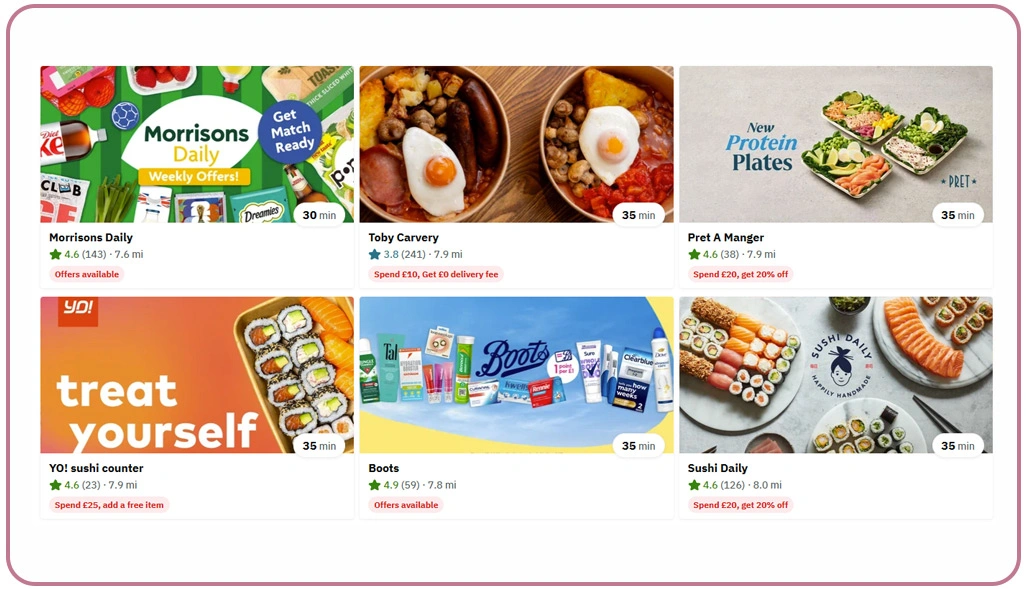
Restaurant teams often struggle to identify menu gaps when competitor offerings, cuisine preferences, and customer ordering behavior change across delivery locations. Reviewing restaurant listings manually can delay menu updates and make it difficult to compare food categories, portion options, meal bundles, dietary labels, and add-on selections at scale.
Deliveroo Food Delivery Data Scraping helps restaurant brands evaluate competitor menu structures across selected service areas. Teams can compare category frequency, popular food combinations, meal deals, beverage pairings, desserts, and specialty items to identify relevant additions.
Using Scrape Deliveroo Restaurant Menu and Pricing Data, businesses can assess whether their menus include high-demand categories that customers regularly encounter on delivery platforms. For example, if nearby restaurants consistently promote family meals, value bundles, or plant-based options, a restaurant can assess whether similar choices fit its customer base and operational capacity.
| Menu Evaluation Area | Marketplace Data Signal | Planning Improvement |
|---|---|---|
| Category coverage | Frequently listed food categories | Add relevant menu segments |
| Meal combinations | Competitor combo structures | Create value-based bundles |
| Dietary preferences | Vegetarian and vegan labels | Improve inclusive menu choices |
| Add-on opportunities | Popular sides and beverages | Increase average order value |
| Local cuisine demand | Cuisine patterns by area | Tailor menus by location |
Restaurants can also use menu intelligence to remove low-performing items, simplify crowded categories, and improve product placement. A consistent view of local menu activity supports faster decisions around seasonal offerings, promotional combinations, and customer-focused product development.
Build Smarter Pricing Strategies Using Market Signals
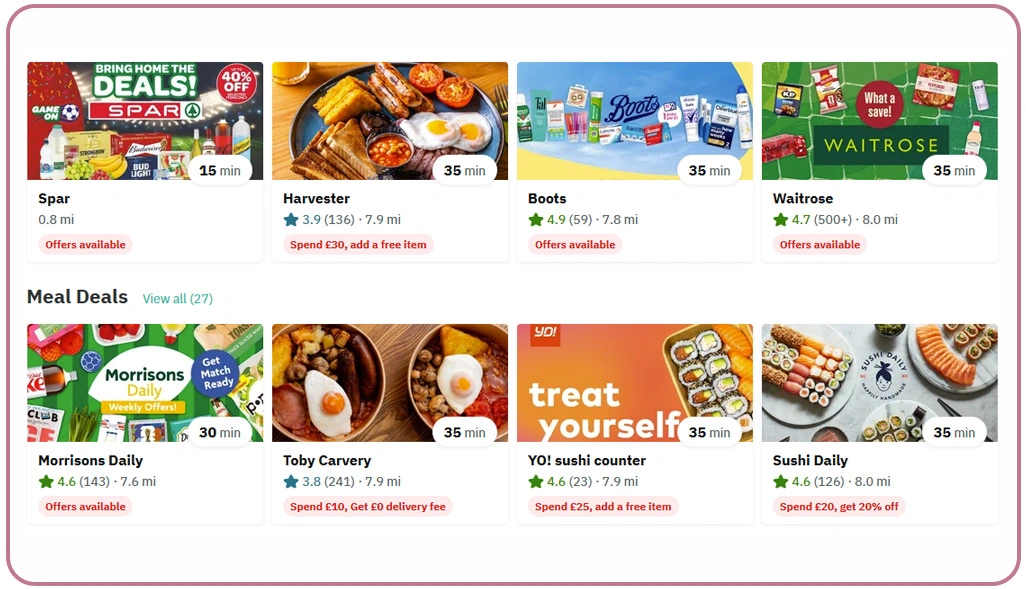
Restaurant pricing decisions require more than reviewing internal food costs and profit margins. Delivery customers compare similar meals across restaurants, assess discounts, evaluate portion value, and consider delivery charges before placing an order. Without regular market visibility, businesses may set prices that appear too high, too low, or poorly aligned with nearby competitors.
A Deliveroo Food Data Crawler supports pricing analysis by collecting item-level prices, bundle costs, promotional offers, delivery charges, and menu variations from restaurant listings. This information allows teams to compare similar products across cuisines, locations, and restaurant types.
Deliveroo Data Scraping for Pricing Intelligence helps restaurants recognize patterns that influence customer purchasing decisions. For instance, if competing meal bundles offer 15% lower pricing during peak ordering hours, restaurant teams can evaluate whether targeted promotions or revised combinations would improve conversion.
| Pricing Analysis Factor | Market Observation | Recommended Action |
|---|---|---|
| Individual item pricing | Similar meals follow close ranges | Set competitive menu prices |
| Combo meal discounts | Bundles provide visible savings | Introduce value meal options |
| Delivery fee variation | Fees differ by distance and area | Adjust minimum order thresholds |
| Promotional activity | Discounts increase during peak periods | Plan time-based campaigns |
| Premium product positioning | Higher prices include added value | Improve premium menu presentation |
Regular pricing monitoring helps businesses avoid broad discounting that may reduce margins. Instead, restaurants can focus offers on selected categories, high-demand items, or slower-selling products. This supports better revenue management while keeping menus competitive in fast-moving delivery environments.
Monitor Demand Patterns Through Reviews And Availability
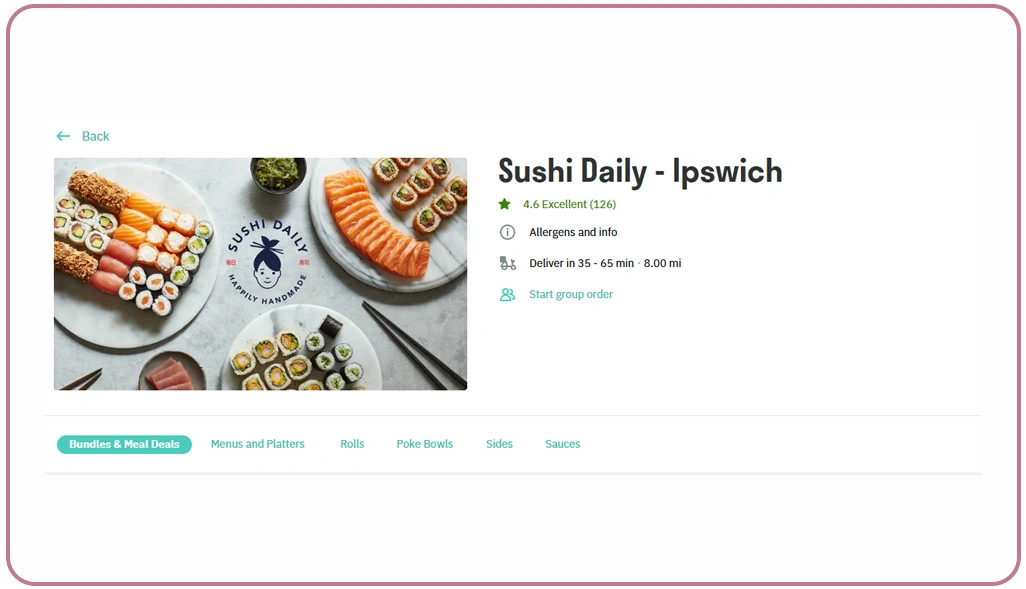
Restaurant menu planning becomes more effective when businesses understand customer feedback, operating status, and changing availability conditions. A menu can include attractive food choices and competitive prices, but poor availability, inconsistent service, or recurring negative reviews may reduce customer confidence.
Deliveroo Restaurant Availability Data Scraping enables businesses to track whether competitors are open, temporarily unavailable, operating with limited menus, or facing delivery delays. Restaurant teams can use this information to prepare inventory, adjust kitchen capacity, and plan menu availability around peak ordering windows.
A Deliveroo Restaurant Dataset combines menu listings, item prices, customer ratings, reviews, availability details, and restaurant information into a structured format. For example, frequent positive mentions of a dish category may indicate an opportunity to feature related products, while repeated complaints about portion size or preparation quality may require recipe adjustments.
| Demand Monitoring Signal | Restaurant Insight | Suggested Improvement |
|---|---|---|
| Positive food mentions | Customers prefer certain dishes | Highlight similar menu items |
| Negative review themes | Quality or service concerns appear | Improve preparation workflows |
| Availability changes | Demand peaks affect operations | Strengthen inventory planning |
| Rating movement | Customer satisfaction shifts | Review menu and service quality |
| Limited menu visibility | Items are frequently unavailable | Improve stock management |
Real-Time Deliveroo Review Data Scraping Solutions helps restaurant teams identify feedback trends before they affect long-term performance. In addition, Restaurant Trend Analysis With Deliveroo Menu Data Extraction supports timely menu adjustments by highlighting changing cuisine preferences, seasonal demand, and emerging customer expectations across delivery markets.
How Web Data Crawler Can Help You?
Restaurant intelligence becomes more valuable when data collection is structured, accurate, and aligned with business objectives. By applying Deliveroo Food Delivery Data Scraping for Restaurant Analytics, businesses can access organized data that supports competitive comparisons, pricing reviews, demand analysis, and menu optimization.
Our approach includes:
- Collect restaurant menus across selected delivery locations
- Monitor item prices, discounts, and promotional offers
- Compare cuisine categories and competitor menu structures
- Track ratings, reviews, and customer feedback themes
- Analyze restaurant operating status and availability patterns
- Build structured datasets for reporting and decision-making
Our data specialists can customize extraction workflows based on target cities, restaurant categories, menu fields, update frequency, and analytical requirements. With a Deliveroo Food Delivery Data API for Competitive Analysis, restaurant teams can integrate reliable marketplace intelligence into internal dashboards, pricing systems, and menu planning processes.
Conclusion
Better menu planning requires continuous visibility into what customers see, compare, and order through food delivery platforms. Deliveroo Food Delivery Data Scraping for Restaurant Analytics helps restaurant brands evaluate competitor menus, pricing patterns, availability signals, and customer feedback to make more informed menu decisions across local markets.
Data-driven restaurant teams can use these insights to improve item selection, promotional planning, and category performance while responding faster to changing demand. Partner with Web Data Crawler to build smarter menu strategies through Deliveroo Food Delivery Data Scraping for Restaurant Analytics and turn marketplace data into measurable restaurant growth.