


How Chewy Product Data Extraction for Retail Analytics Supports Product, Price and Review Analysis?
Oct 12
Introduction
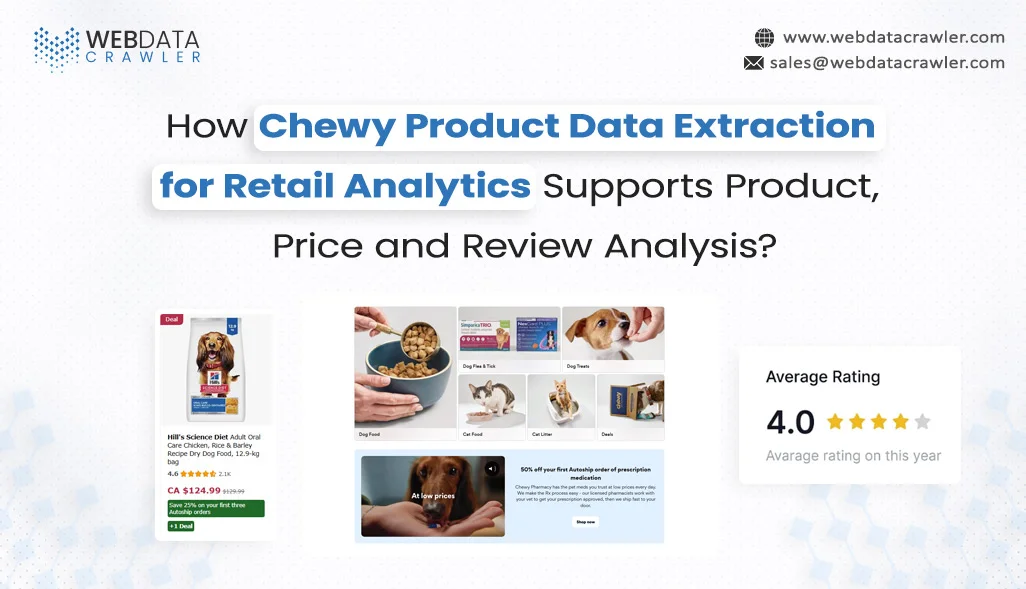
Retail businesses operating in the pet supplies market need accurate product information to understand customer preferences, monitor competitor prices, and evaluate inventory performance. Chewy offers an extensive selection of pet food, toys, grooming supplies, accessories, and healthcare products. Analyzing publicly accessible product information helps retailers identify market trends, compare product attributes, and make informed merchandising decisions.
These details support comparisons across brands, product categories, and price ranges. Chewy Product Data Extraction for Retail Analytics helps businesses organize product names, listed prices, ratings, customer reviews, and availability information into structured datasets. Retail teams can use collected information to identify popular items, evaluate customer feedback, and understand how product offerings change over time.
Using a Chewy E-Commerce Data API can help automate the collection and delivery of relevant product information for reporting systems. Combined with appropriate validation, this information supports consistent analysis of product performance, pricing movements, and customer sentiment while helping businesses refine their retail strategies.
Evaluating Product Assortments Across Different Pet Care Categories
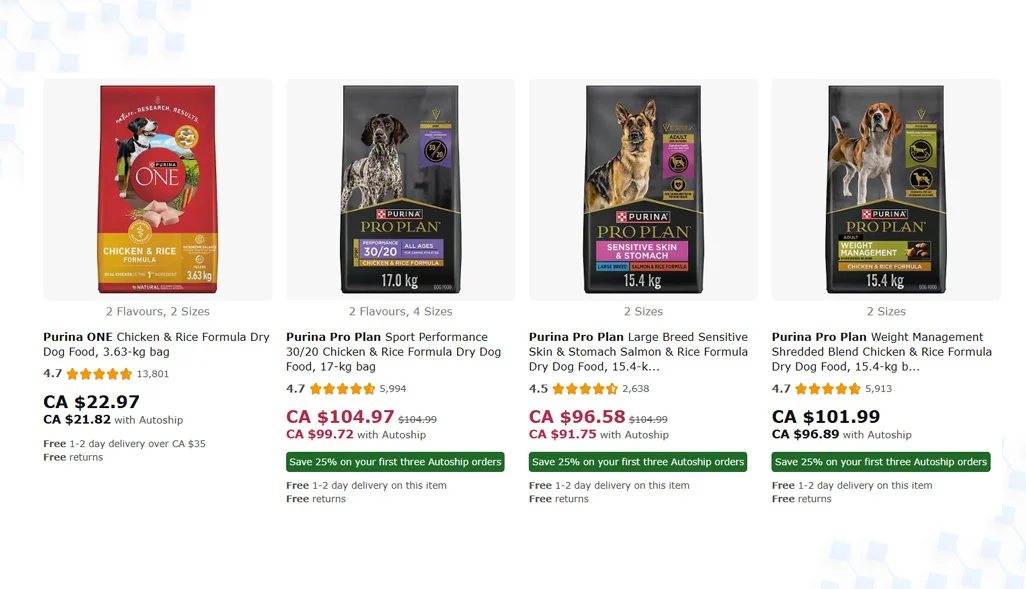
Understanding product assortment is essential for retailers seeking to identify category opportunities, compare competing brands, and improve online merchandising. Pet supply catalogs contain products with different ingredients, package sizes, nutritional benefits, and intended uses. Organizing these attributes into consistent records helps analysts evaluate product similarities and differences across multiple categories. It also provides a clearer view of premium, mid-range, and budget offerings.
Through Chewy Pet Food Product Data Collection, businesses can organize publicly accessible information about pet food brands, product specifications, package weights, ingredients, and category classifications. These attributes help merchandising teams compare similar items and identify gaps in existing assortments. Retailers can also examine whether product descriptions provide enough information for customers to make informed purchasing decisions.
A structured collection process can help businesses identify newly listed products, discontinued items, and changes in product specifications. Analysts can compare product availability across categories and evaluate how assortment differences influence their merchandising priorities. Consistent product classification also makes it easier to prepare reports for purchasing teams and category managers using the Chewy product dataset to support product comparisons, assortment planning, and retail merchandising decisions.
Important attributes to evaluate include:
- Product names and manufacturer brands.
- Category and subcategory classifications.
- Package sizes, weights, and product variations.
- Ingredient details and descriptive specifications.
- Listing status and available product information.
| Product attribute | Analytical purpose |
|---|---|
| Brand information | Brand-level comparisons |
| Product category | Assortment evaluation |
| Package size | Quantity comparisons |
| Ingredients | Product differentiation |
| Listing status | Catalog monitoring |
These practices help retailers maintain organized catalogs, identify potential assortment gaps, and establish a consistent foundation for product performance analysis.
Comparing Product Prices and Customer Feedback Patterns
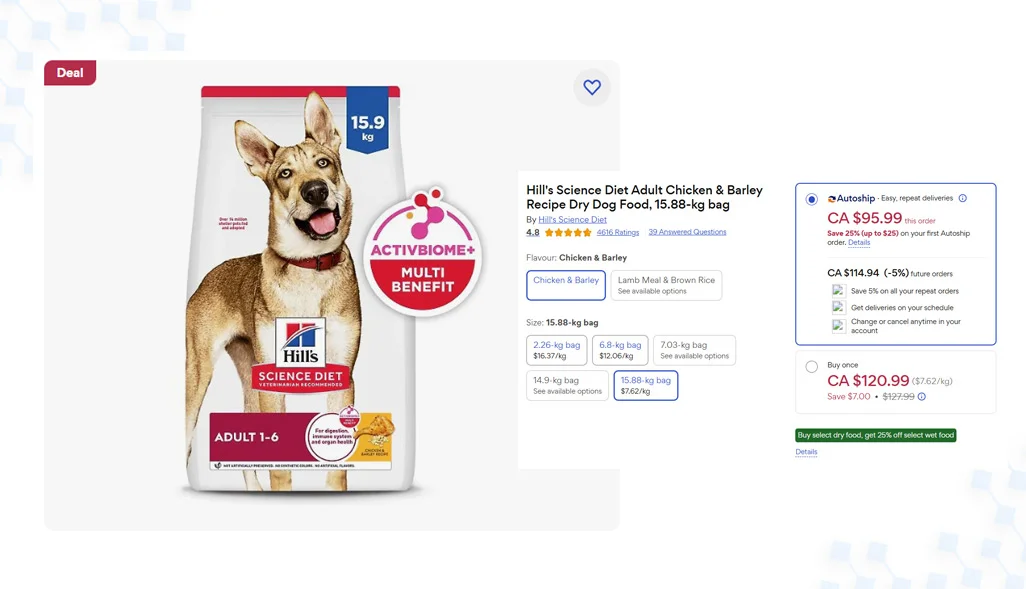
Comparing listed prices helps businesses understand competitive positioning, while ratings and reviews reveal customer perceptions of product quality, value, and usability. A structured Chewy Product Dataset can include listed prices, promotional information where publicly available, ratings, review counts, and customer comments. Evaluating these indicators together allows analysts to examine whether pricing differences correspond with product features, customer satisfaction, or promotional activity.
A structured Chewy Product Data Scraping workflow can organize publicly accessible product information, including listed prices, promotional details where available, ratings, review counts, and customer comments. These records allow analysts to compare equivalent products and identify differences between standard prices and temporary offers. Review analysis can also highlight recurring concerns related to packaging, ingredients, product quality, or perceived value.
Businesses can use a Chewy Data API for Pet Retail Intelligence to support repeatable data collection and connect relevant records with analytical workflows, subject to source access and availability. Regularly collected information helps analysts observe pricing changes, review activity, and differences between comparable products. However, comparisons should account for package sizes, subscription discounts, shipping conditions, and promotional eligibility to avoid misleading conclusions.
Key analytical activities include:
- Comparing prices across equivalent products.
- Tracking publicly displayed promotional offers.
- Evaluating average ratings and review volumes.
- Grouping recurring customer feedback themes.
- Reviewing price changes over consistent intervals.
| Analytical metric | Business application |
|---|---|
| Listed price | Competitive benchmarking |
| Promotional details | Discount assessment |
| Average rating | Satisfaction evaluation |
| Review volume | Feedback activity analysis |
| Recurring themes | Product improvement planning |
Combining pricing records with customer feedback helps retailers make more balanced decisions about product positioning, promotional planning, and customer experience improvements.
Monitoring Product Images and Online Catalog Availability
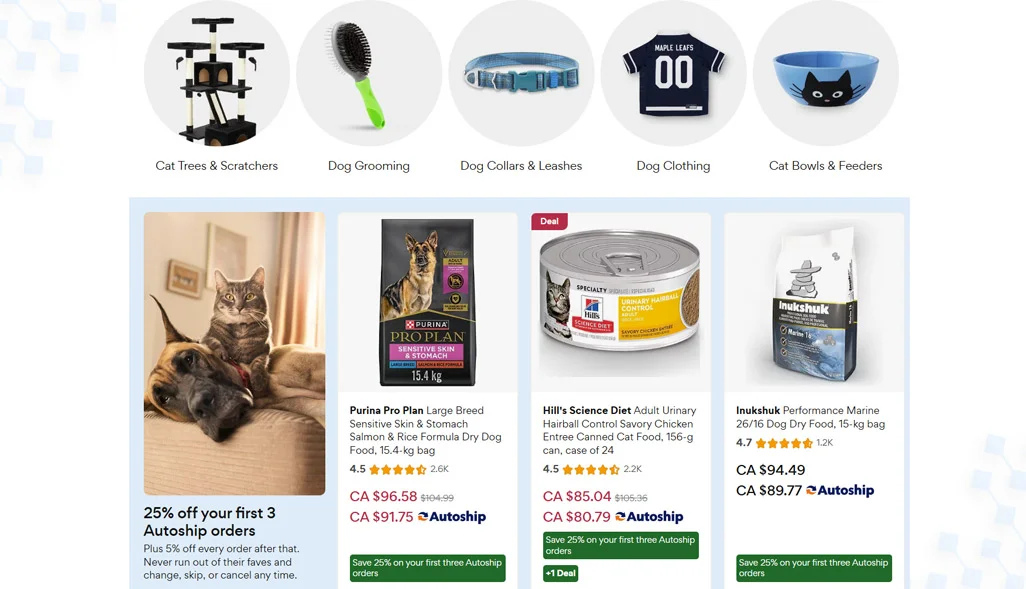
Visual presentation and listing completeness influence how customers evaluate products while shopping online. Clear images, informative descriptions, accurate specifications, and consistent product classifications help shoppers understand the items they are considering. Retail analysts can examine these elements to identify incomplete listings, inconsistent descriptions, and opportunities to improve catalog presentation.
Using Chewy.com Pet Product Images & Metadata Scraping for Insight can help organize publicly accessible image references, product descriptions, specifications, and category information, subject to applicable permissions and website terms. These records allow analysts to associate visual assets with corresponding product listings and evaluate whether essential descriptive information is available. They can also compare listing completeness across product categories and identify records that require further review.
Availability information adds another layer to catalog monitoring. Businesses can track visible listing statuses and review changes that may indicate products becoming available, unavailable, or temporarily out of stock. These observations should be treated as website-level indicators rather than confirmation of physical inventory. Integrating validated source information with internal inventory systems can provide a more reliable view of stock conditions and catalog consistency.
Retail teams can prioritize the following activities:
- Reviewing image references and listing completeness.
- Checking product descriptions for missing attributes.
- Comparing category and brand classifications.
- Monitoring changes in visible availability statuses.
- Identifying records that require manual verification.
| Catalog element | Monitoring objective |
|---|---|
| Image reference | Visual asset organization |
| Product description | Content completeness |
| Specifications | Attribute consistency |
| Category classification | Catalog organization |
| Availability status | Listing change detection |
These practices support better catalog maintenance, more consistent product presentation, and improved visibility into online assortment changes.
How Web Data Crawler Can Help You?
Managing extensive retail catalogs requires an organized approach to collecting, validating, and preparing product information. Retail teams often need consistent records to compare competing products, review customer feedback, monitor pricing movements, and evaluate changes in online listings.
We provide web data extraction solutions that can support different collection needs, subject to source accessibility, technical feasibility, and applicable website terms. Chewy Product Data Extraction for Retail Analytics can help businesses organize relevant publicly accessible product information into datasets suited to their analytical requirements.
Key ways we can support retail analytics include:
- Automated Data Collection: Configure extraction workflows for relevant product attributes.
- Structured Data Delivery: Organize collected records into practical formats for analysis.
- Catalog Monitoring: Identify changes in product descriptions and listing details.
- Price Comparison Support: Prepare pricing information for competitor benchmarking.
- Review Data Organization: Structure available feedback for sentiment and theme analysis.
- Flexible Data Integration: Prepare datasets for compatible spreadsheets, dashboards, and business systems.
Collection frequency, available fields, and delivery formats can be aligned with project requirements. With Chewy Product Data for Pricing Optimization, businesses can develop repeatable workflows for reviewing competitive prices, comparing product offerings, and supporting merchandising decisions.
Conclusion
Retailers need consistent product information to evaluate assortment performance, understand customer expectations, and make informed pricing decisions. Chewy Product Data Extraction for Retail Analytics supports structured analysis of product attributes, listed prices, review indicators, and availability information. These insights help businesses compare similar products, assess customer feedback, identify catalog gaps, and develop more informed merchandising strategies.
Its extraction solutions can support repeatable collection processes, structured data delivery, and integration with existing analytics workflows. Chewy Product Data Scraping for Business Intelligence can help retailers prepare organized information for product comparisons and competitive assessments. Contact Web Data Crawler today to discuss your data extraction requirements and build a retail analytics workflow tailored to your business needs.