


What Can Car Rental Price Analytics Using Web Scraping Reveal About Daily Rental Rates and Demand?
Sep 16
Introduction
Rental markets change quickly because prices respond to seasonality, vehicle availability, location, booking windows, and customer demand. Businesses need consistent market visibility to understand these movements and make informed pricing decisions. Car Rental Price Analytics Using Web Scraping provides structured information that helps operators compare daily rates and identify meaningful market patterns.
With reliable rental information, businesses can examine prices across vehicle categories, locations, dates, and competitors without depending entirely on manual research. Web Scraping Services can collect large volumes of rental listings and organize details such as vehicle type, rental duration, availability, and displayed prices for further analysis and reporting.
This data also helps identify demand changes that may influence pricing decisions. Comparing historical and current rental rates can reveal recurring patterns, unusual price movements, and high-demand periods. When these insights are reviewed regularly, rental businesses can refine pricing strategies, improve fleet planning, and respond more effectively to changing customer requirements.
Daily Rental Rates Reveal Important Market Pricing Patterns
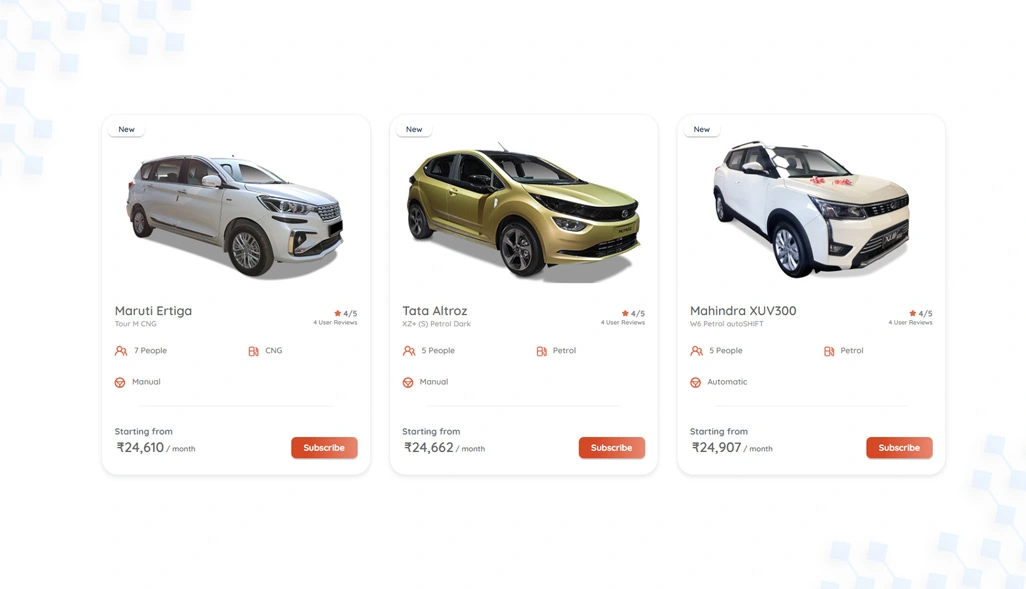
Daily rental rates can change considerably based on vehicle category, location, booking period, fleet availability, and seasonal demand. Comparing these variables gives businesses a clearer understanding of how pricing behaves across different markets. Competitor Price Monitoring can add another layer of insight by showing how similar rental providers adjust their rates during busy and slower periods.
Historical rate comparisons can reveal whether price movements are temporary or part of a recurring pattern. For example, weekend rentals may follow different pricing behavior from weekday bookings, while airport locations can experience distinct fluctuations compared with city-based branches. These differences become easier to evaluate when data is collected consistently over time.
Businesses can also Scrape Car Rental Data Intelligence to organize information around vehicle classes, rental durations, locations, and displayed rates. This structured approach allows analysts to compare similar vehicles across multiple providers and identify pricing gaps without relying on isolated manual observations.
Important pricing indicators include:
- Daily rates across vehicle categories
- Location-specific pricing differences
- Weekend and weekday rate variations
- Advance-booking price movements
Pricing Factor and Analytical Purpose:
| Pricing Factor | Analytical Purpose |
|---|---|
| Vehicle Category | Compares segment-level rates |
| Rental Location | Identifies geographic differences |
| Booking Period | Measures advance-rate variations |
| Rental Duration | Shows short- and long-term patterns |
Together, these observations can help rental operators understand where pricing changes occur most frequently and which factors are associated with significant rate differences.
Rental Demand Signals Emerging Through Price Movements
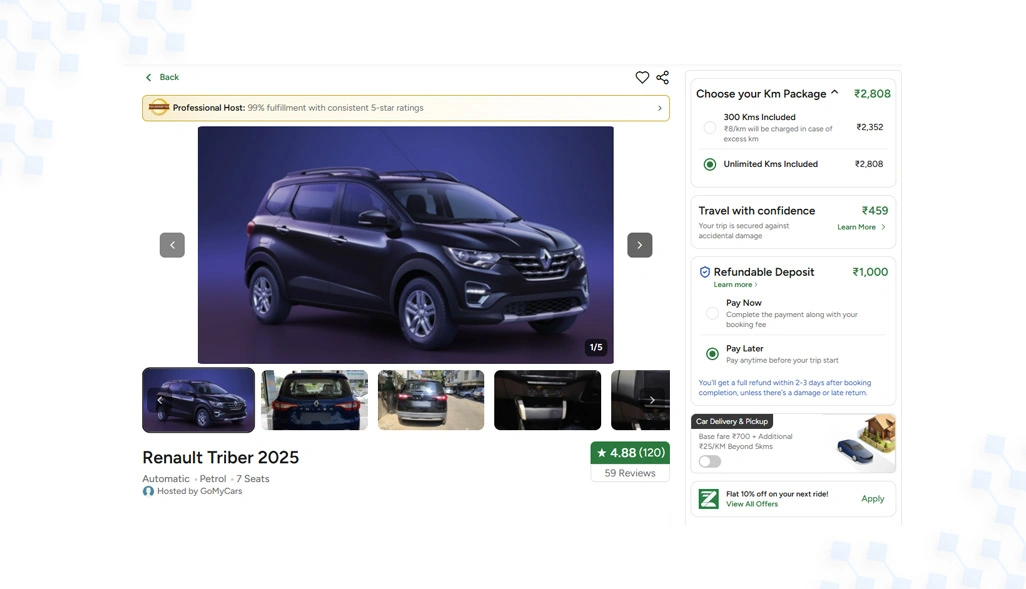
Changes in rental prices can provide useful indications of shifting customer demand. When prices rise while vehicle availability declines, the pattern may suggest stronger booking activity or limited inventory. Machine Learning can help analyze these relationships across historical datasets by identifying recurring connections between rates, availability, seasonality, and demand-related indicators.
Seasonal events can create noticeable changes in rental activity. Holidays, weekends, festivals, sporting events, and major travel periods may influence both availability and pricing. Comparing these periods with ordinary booking windows allows businesses to determine whether specific demand patterns repeatedly affect particular vehicle categories or locations.
Another useful approach is to Real-Time Rental Car Price Tracking via Scraper API, which can provide frequently updated pricing information from selected rental sources. Current data can then be compared with historical observations to identify sudden increases, reductions, or unusual market movements that may require closer attention.
Businesses can monitor several demand indicators, including:
- Changes in displayed daily prices
- Reductions in vehicle availability
- Seasonal booking patterns
- Location-specific demand movements
Demand Indicator and Potential Observation:
| Demand Indicator | Potential Observation |
|---|---|
| Rising Daily Rates | Possible demand pressure |
| Reduced Availability | Potential inventory constraint |
| Weekend Changes | Short-term demand variation |
| Seasonal Movement | Recurring market behavior |
By combining current observations with historical information, rental operators can better understand whether pricing changes represent temporary market conditions or recurring demand trends.
Competitive Rental Data Highlights Market Positioning Trends
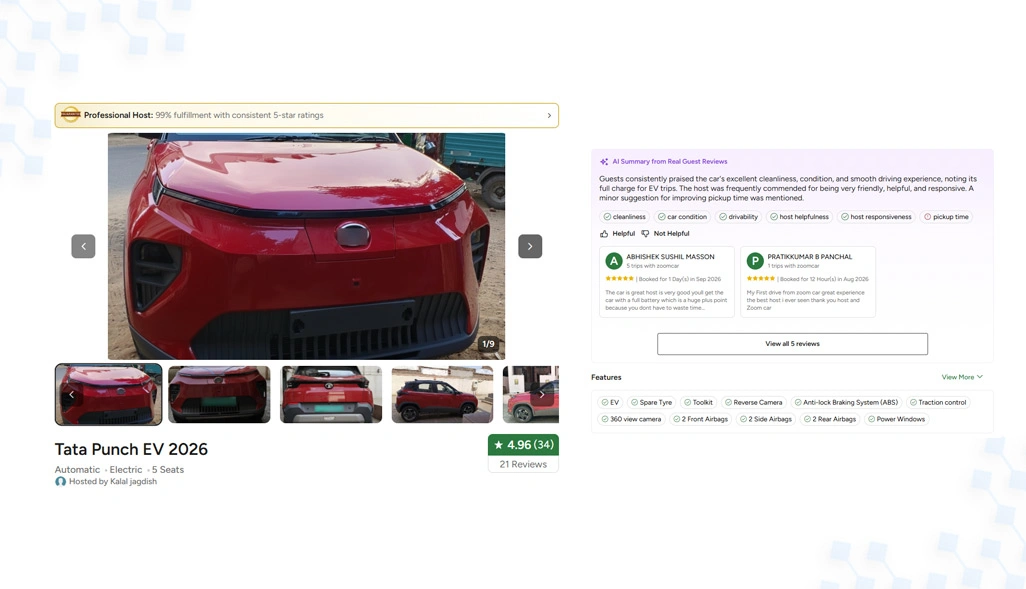
Rental listing data can provide a broader view of how providers position their vehicles across different locations and booking periods. Scrape Car Rental Data Intelligence can help organize pricing, availability, vehicle categories, and rental conditions into structured datasets that are easier to compare and analyze across competing markets.
Businesses can also Extract Car Rental Data for Analysis when they need detailed information for reporting, segmentation, or historical comparisons. Examining similar vehicle categories across providers can reveal pricing differences and help identify markets where rates remain relatively stable or experience larger fluctuations.
Another valuable approach involves Scrape Car Rental Pricing Data across multiple locations and periods to identify competitive movements. Regular collections can highlight changes in economy, compact, SUV, luxury, and other vehicle segments, helping businesses understand where competitive pricing pressure is most visible.
Useful competitive indicators include:
- Provider-level rental rate differences
- Vehicle category positioning
- Availability across locations
- Changes during peak periods
Competitive Factor and Business Insight:
| Competitive Factor | Business Insight |
|---|---|
| Provider Rates | Shows market differences |
| Vehicle Availability | Indicates supply conditions |
| Location Pricing | Reveals regional variations |
| Category Movement | Identifies segment trends |
Specialized research may also involve Deep and Dark Web Scraping Services where legally accessible public information is relevant and appropriate. Any such activity should follow applicable laws, privacy requirements, website terms, and responsible data-collection practices while keeping the primary focus on legitimate market intelligence.
How Web Data Crawler Can Help You?
The broader rental market becomes easier to evaluate when businesses have organized pricing and availability information. We can support automated collection from relevant rental sources and structure the information for comparison, reporting, historical analysis, and business intelligence. Car Rental Price Analytics Using Web Scraping can therefore become part of a consistent workflow for monitoring changing market conditions.
Key capabilities can include:
- Automated collection of rental listing information
- Structured extraction across multiple vehicle categories
- Location-based rental price comparison
- Historical dataset preparation for trend analysis
- Availability and pricing information organization
- Customized data delivery for business reporting
Businesses can use these capabilities to reduce repetitive research and create a more consistent approach to market analysis. Real-Time Rental Car Price Tracking via Scraper API can further support frequent monitoring when current pricing information is required for operational decisions. Structured datasets can then be integrated with internal dashboards, analytical systems, or reporting workflows.
Conclusion
Rental pricing data can provide valuable visibility into daily rates, vehicle categories, availability, and changing market demand. With Extract Car Rental Data for Analysis, businesses can organize these variables into useful datasets and evaluate pricing movements across locations and periods more efficiently.
For organizations seeking more consistent market intelligence, Car Rental Price Analytics Using Web Scraping can support data-driven pricing research and competitive analysis. Scrape Car Rental Pricing Data can help build structured information for ongoing evaluation and reporting. Contact Web Data Crawler today to discuss your car rental data collection requirements and create a customized scraping solution.