
How Do Travel Startups Leverage Best Travel Data APIs for AI Trip Planning Platforms in 2026?
June 12
Introduction
The travel industry in 2026 is becoming increasingly data-driven, with startups relying on intelligent technologies to create highly personalized experiences for travelers. Consumers now expect accurate flight prices, hotel availability, destination recommendations, weather updates, and itinerary suggestions in real time. Real-time travel information enables businesses to provide dynamic recommendations while reducing planning complexity for users.
Modern AI-powered travel applications depend on large volumes of structured and unstructured travel data gathered from multiple online sources. This information supports route optimization, budget estimation, accommodation recommendations, and traveler preference analysis. Through AI Web Scraping Services, startups can continuously collect valuable information from airlines, hotels, booking portals, tourism websites, and transportation providers to improve decision-making accuracy.
The growing demand for personalized travel planning has increased the importance of the Best Travel Data APIs for AI Trip Planning Platforms. These solutions allow startups to access updated pricing information, inventory details, and traveler trends, enabling smarter recommendations and more responsive platforms. The combination of artificial intelligence and real-time travel datasets is rapidly reshaping how modern travelers research, plan, and book their journeys.
Creating Personalized Travel Experiences Through Unified Intelligence Sources
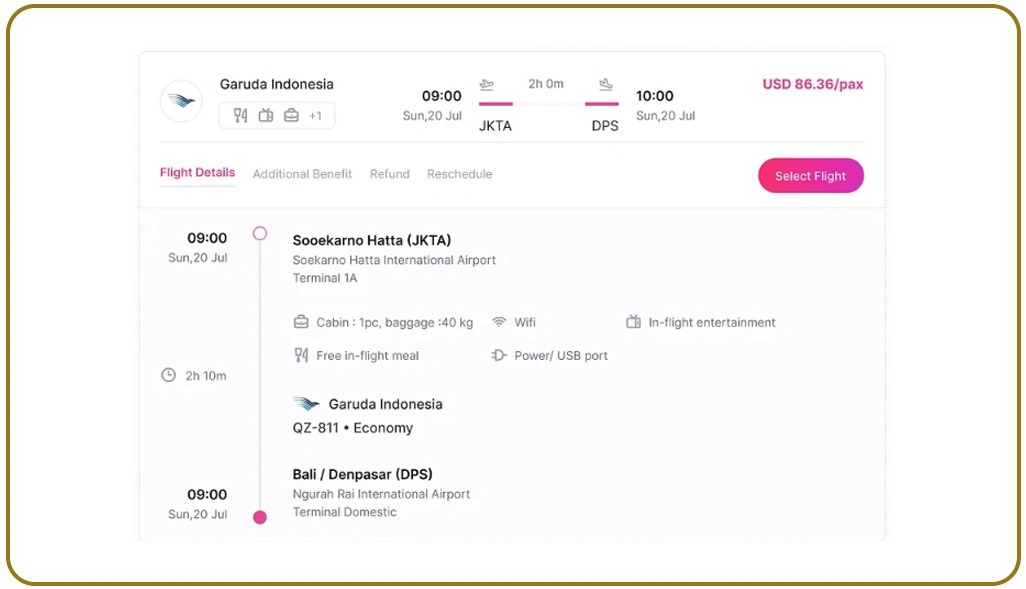
The success of modern travel startups depends heavily on their ability to deliver personalized recommendations that match individual traveler preferences. However, gathering and organizing large volumes of travel information from multiple sources remains a major challenge. Without accurate and timely datasets, recommendation engines often struggle to provide meaningful results, leading to lower customer satisfaction and reduced platform engagement.
To address this challenge, startups increasingly rely on Travel Data Extraction for Ai-Based Planning to collect structured information from airlines, hotels, tourism websites, and transportation networks. This approach helps AI systems identify traveler behavior patterns, booking preferences, and destination interests. The collected data becomes the foundation for advanced recommendation engines capable of generating tailored travel experiences.
Industry research indicates that more than 70% of travelers prefer platforms that provide personalized recommendations, while over 65% expect travel information to be updated in real time. The integration of a Web Scraping API further streamlines data collection processes by automating access to travel-related information across multiple online channels.
Benefits of Data-Driven Recommendation Systems:
| Data Source | Strategic Advantage |
|---|---|
| Flight Information | Route optimization |
| Hotel Listings | Personalized stays |
| Destination Content | Relevant suggestions |
| Transportation Updates | Efficient planning |
| Seasonal Trends | Better targeting |
By combining multiple travel datasets, startups can improve recommendation accuracy and deliver highly relevant experiences that support informed travel decisions. Businesses capable of meeting these expectations often achieve stronger customer retention and higher booking conversions.
Improving Cost Optimization Through Continuous Data Monitoring
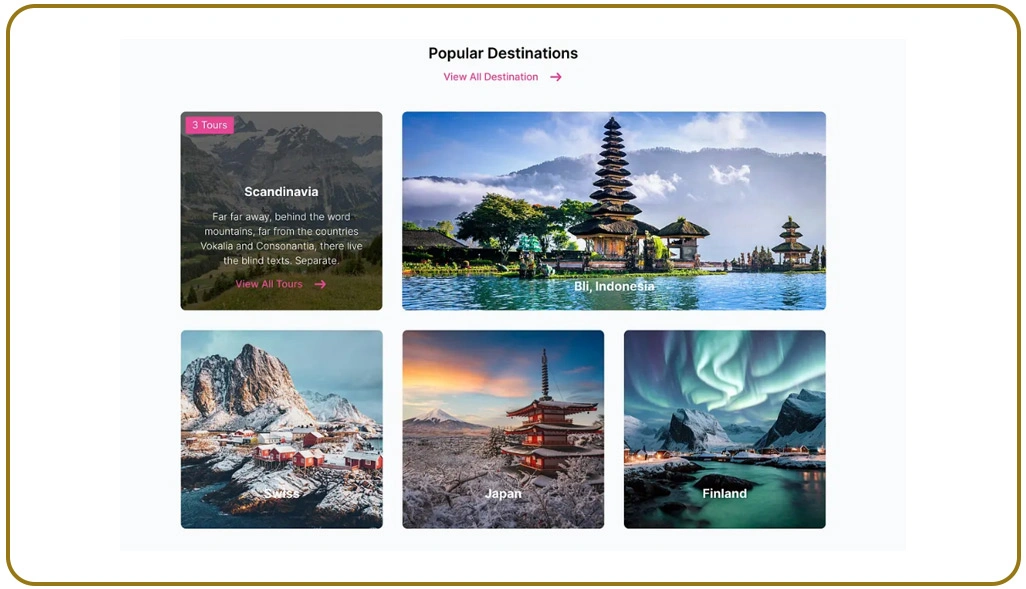
Travel pricing changes constantly due to demand fluctuations, seasonal trends, inventory availability, and competitive market conditions. To solve this problem, companies are increasingly adopting Web Scraping Travel Data methodologies to monitor pricing movements across airlines, hotels, travel agencies, and booking aggregators. Startups that fail to provide updated information risk losing user trust and decreasing booking conversion rates.
Studies show that dynamic pricing intelligence can increase booking efficiency by nearly 25%, while personalized recommendations supported by real-time datasets can improve customer engagement by more than 35%. Advanced solutions such as AI-Powered Travel Planning Using Travel Data Scraping allow platforms to evaluate traveler preferences alongside live pricing information.
This creates more accurate recommendations that align with user budgets and travel goals. Similarly, Travel Startup Pricing Solutions Using Scraped Travel Data help organizations compare thousands of travel offers simultaneously, enabling smarter pricing strategies and more competitive service offerings. These improvements are particularly valuable in highly competitive travel markets where consumers prioritize both affordability and convenience.
Impact of Real-Time Pricing Intelligence:
| Pricing Element | Business Outcome |
|---|---|
| Airfare Changes | Budget optimization |
| Hotel Rates | Better accommodation selection |
| Seasonal Offers | Cost savings |
| Package Pricing | Improved value comparison |
| Transport Costs | Accurate expense planning |
Continuous access to updated travel information enables platforms to display accurate prices and improve customer confidence throughout the booking process. Access to continuous pricing intelligence helps startups create more responsive platforms while improving traveler satisfaction and decision-making accuracy.
Anticipating Consumer Behavior With Predictive Travel Insights
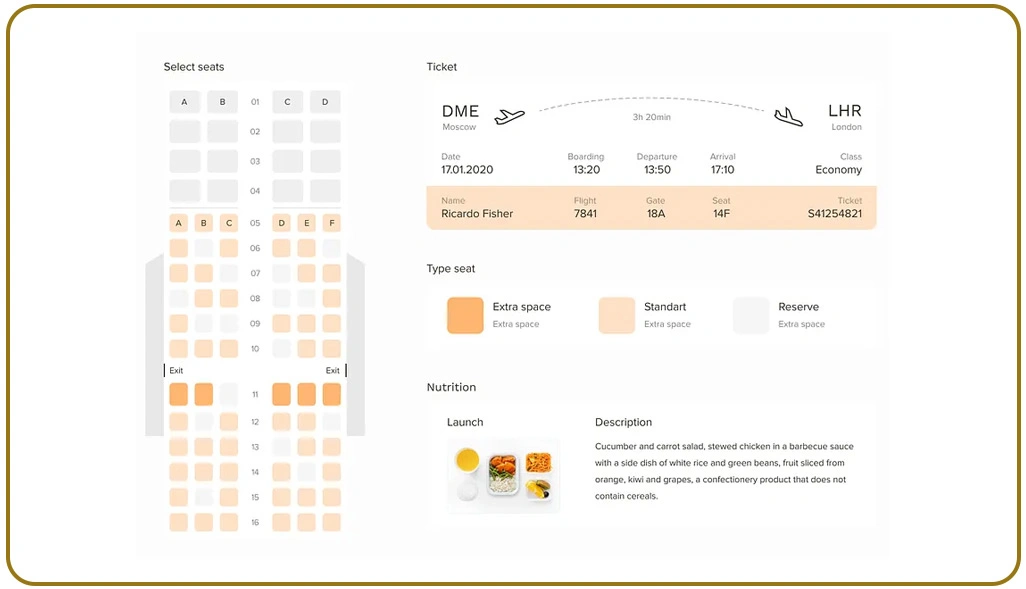
As the travel industry becomes increasingly data-centric, understanding future demand patterns has become essential for sustainable growth. Consumer preferences evolve rapidly due to economic conditions, tourism trends, global events, and changing traveler expectations. Travel startups that can anticipate these shifts are better equipped to create relevant products, improve customer experiences, and maintain a competitive advantage.
Predictive analytics allows organizations to transform historical and real-time travel information into actionable insights. One of the most valuable applications is Travel Demand Forecasting Using Real-Time Pricing Data, which helps organizations identify fluctuations in traveler interest and prepare for future booking demand.
In addition, comprehensive data analysis supports broader Market Research initiatives by revealing customer preferences, emerging destinations, and evolving travel behaviors. These insights enable startups to refine services, optimize marketing efforts, and create more relevant travel experiences for diverse audiences.
Applications of Predictive Travel Analytics:
| Forecasting Area | Business Value |
|---|---|
| Search Activity | Demand identification |
| Booking Trends | Resource planning |
| Destination Interest | Product improvement |
| Price Variations | Revenue optimization |
| Traveler Preferences | Better personalization |
Industry estimates suggest that predictive models can improve forecasting accuracy by over 35%, enabling companies to allocate resources more effectively and improve customer targeting strategies. Predictive travel intelligence empowers startups to make informed decisions while improving customer engagement, operational efficiency, and long-term business growth.
How Web Data Crawler Can Help You?
Modern travel businesses require reliable data pipelines to power intelligent planning systems and improve customer experiences. Organizations seeking scalable solutions often rely on the Best Travel Data APIs for AI Trip Planning Platforms to collect, process, and analyze travel information from multiple online sources.
Key Capabilities:
- Collect travel information from multiple online sources
- Monitor pricing changes in real time
- Support large-scale data aggregation projects
- Deliver structured datasets for AI applications
- Enable automated travel intelligence workflows
- Improve data accuracy and operational efficiency
Businesses looking to strengthen predictive planning and personalization strategies can also benefit from Web Scraping Travel Startups Data for Market Research, helping them better understand customer preferences, competitor activity, and emerging travel opportunities.
Conclusion
Travel technology continues to evolve as startups seek smarter ways to deliver personalized experiences and improve planning accuracy. The Best Travel Data APIs for AI Trip Planning Platforms provide the foundation for real-time recommendations, dynamic pricing intelligence, and efficient itinerary generation that modern travelers increasingly expect.
Organizations adopting Travel Demand Forecasting Using Real-Time Pricing Data can better anticipate market changes, improve customer satisfaction, and make data-backed business decisions. Contact Web Data Crawler today and build the future of AI-driven travel experiences.