


What Can Apartments.com Web Scraper for Rental Listings Insights Reveal Across 50+ Rental Markets?
Aug 25, 2026
Introduction
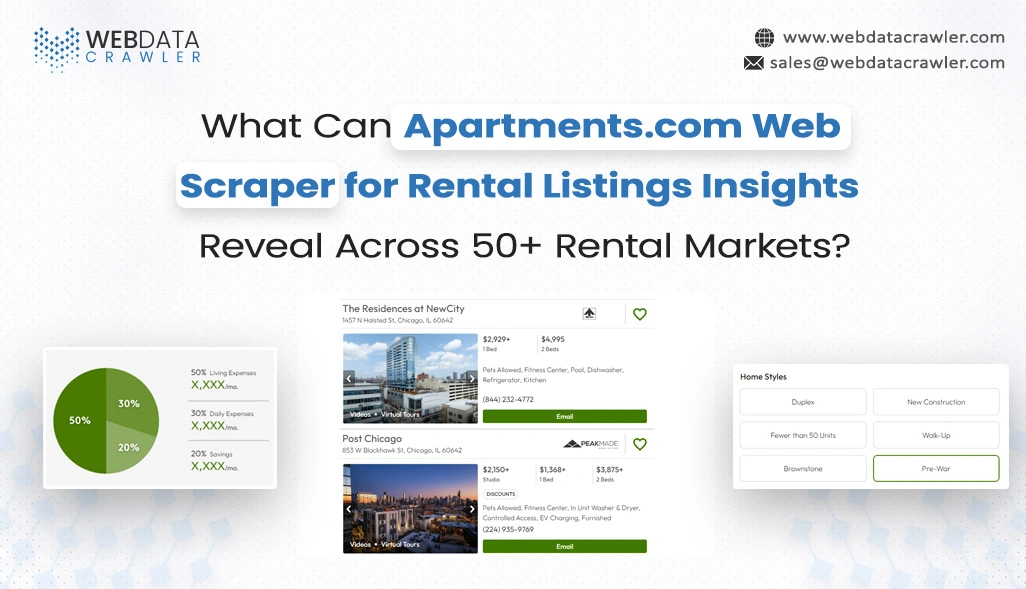
Rental markets shift quickly as asking prices, unit availability, amenities, and neighborhood conditions change across cities. A structured approach to listing intelligence helps analysts compare properties consistently, identify pricing patterns, and evaluate market movement without relying on scattered manual research. This makes rental datasets more practical for recurring decisions.
Apartments.com Web Scraper for Rental Listings Insights organizes listing-level information such as property names, locations, rents, bedrooms, bathrooms, square footage, amenities, and listing status. Across 50+ rental markets, standardized fields can support comparable analysis and reduce inconsistencies between sources. Analysts can use these records to assess supply, pricing ranges, and property positioning.
For teams building repeatable workflows, the Apartments.com Real Estate Data API can support structured access to rental information for downstream analysis, dashboards, and research systems. When listing records are collected at defined intervals, teams can compare changes over time, segment markets, and build datasets that support pricing studies, investment research, and portfolio planning.
Rental Market Patterns Across Multiple Geographic Areas
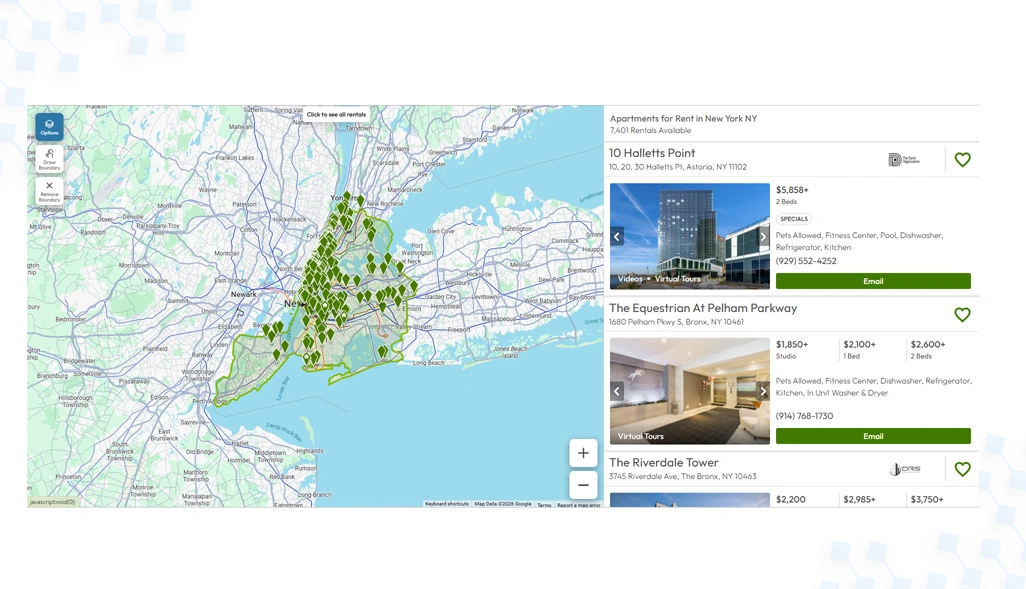
Rental markets across 50+ locations can reveal substantial differences in pricing, property sizes, availability, and amenity offerings. Comparing these variables within a standardized dataset allows analysts to separate location-specific patterns from broader market movements. This creates a stronger foundation for understanding where rental supply is concentrated and how properties are positioned against comparable listings.
For competitive research, Competitor Rental Data Scraping via Apartments.com can organize information from comparable properties according to location, bedroom configuration, rental range, and property characteristics. Instead of reviewing listings individually, analysts can examine structured records together and identify recurring differences between competing properties.
A structured collection workflow can also support consistent field extraction across different rental markets. The Apartments Real Estate Data Crawler can help organize property-level records into predefined fields, making the resulting information easier to filter, clean, compare, and analyze. Standardization is especially important when research involves thousands of listings collected from different geographic areas.
Market Indicator and Illustrative Coverage:
| Market Indicator | Illustrative Coverage | Analytical Purpose |
|---|---|---|
| Geographic Markets | 50+ | Market comparison |
| Rental Listings | 10,000+ | Supply analysis |
| Property Attributes | 12+ | Property segmentation |
| Collection Periods | Multiple | Historical comparison |
These records can help teams examine rental ranges, property distribution, bedroom availability, and amenity frequency across locations. For example, analysts can divide markets into rental bands and compare the proportion of listings within each range. Such segmentation can support market prioritization, property research, and location-level competitive assessments.
Key activities include:
- Compare rental conditions across cities
- Segment listings by property characteristics
- Identify differences between neighborhoods
- Evaluate recurring supply patterns
- Group properties into rental ranges
Rental Pricing And Competitive Positioning Across Markets
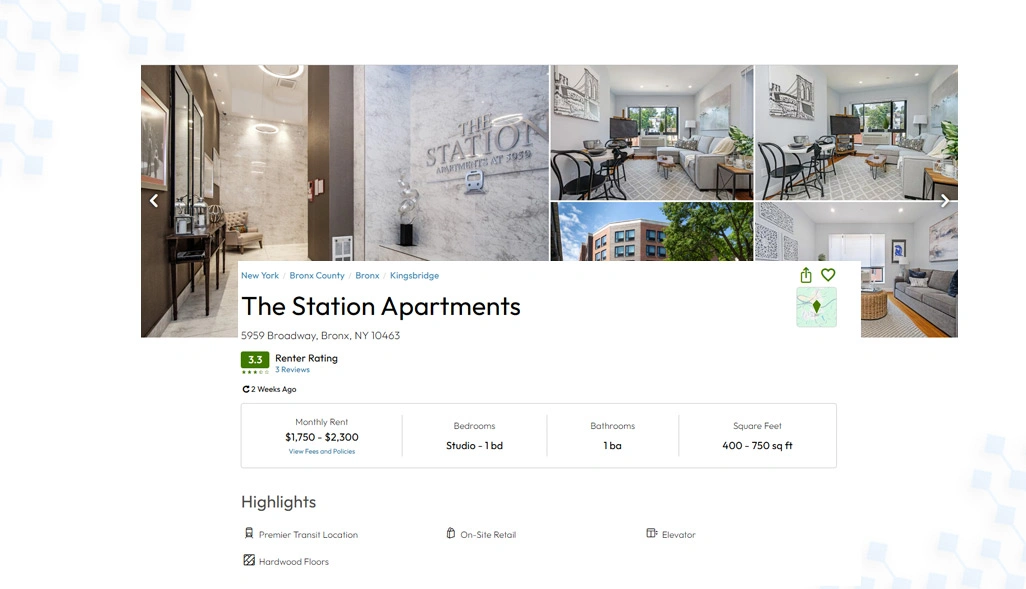
Rental pricing can change because of location, property size, amenities, seasonal demand, and competitive supply. A structured pricing dataset makes it easier to compare advertised rents across markets and identify meaningful differences between similar properties. This information can support rental benchmarking while reducing the effort required to manually review individual property pages.
Businesses can Scrape Real-Time Apartments.com Rental Price Data to organize current advertised pricing into structured records for comparison. Rental values can then be segmented by bedrooms, square footage, location, and property type. This allows analysts to examine whether pricing differences are associated with specific property characteristics or broader geographic conditions.
For organizations managing recurring rental research, Apartments.com Property Data Scraping Services can support systematic collection and organization of property information. Instead of relying on isolated snapshots, teams can establish recurring collection schedules and maintain historical records. Comparing multiple collection periods can help identify changes in advertised pricing and understand how competitive positioning evolves over time.
Pricing Indicator and Illustrative Value:
| Pricing Indicator | Illustrative Value | Business Application |
|---|---|---|
| Markets Analyzed | 50+ | Geographic benchmarking |
| Sample Listings | 10,000 | Pricing comparison |
| Rental Categories | 5 | Price segmentation |
| Comparison Periods | 4 | Trend analysis |
A multi-market pricing framework can also help identify higher-priced and lower-priced segments within specific locations. Analysts may compare similar bedroom categories while accounting for property size and amenities. These comparisons can reveal where rental prices cluster, where differences are pronounced, and which locations may require more detailed competitive research.
Key pricing activities include:
- Compare rental prices by market
- Analyze pricing by bedroom category
- Evaluate property-level price differences
- Track changes across collection periods
- Identify high and low rental segments
Property Supply And Intelligence From Extensive Listing Data
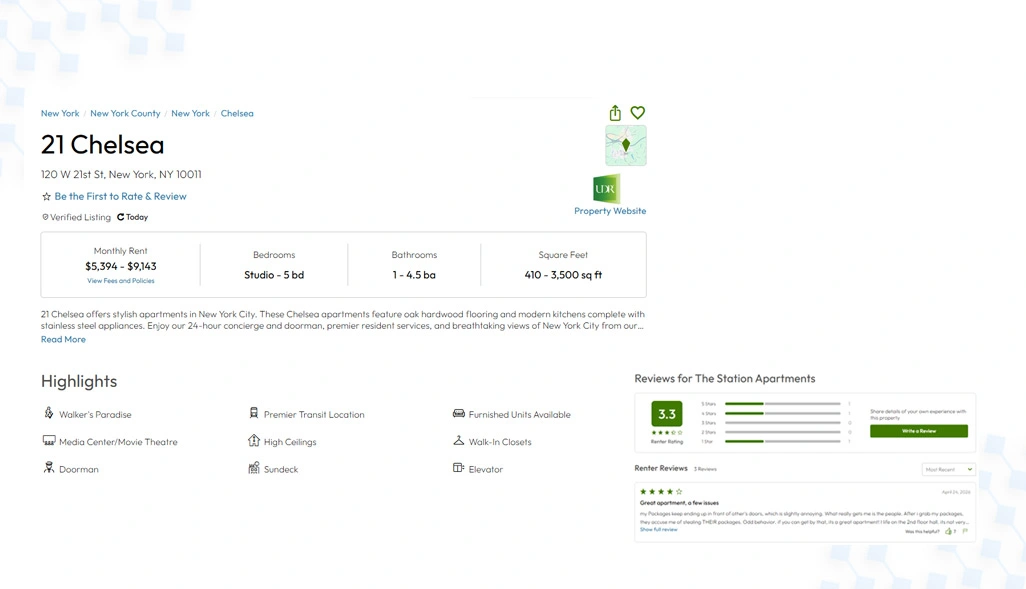
Rental listing information can provide broader insights beyond advertised prices. Property characteristics, location details, bedroom configurations, amenities, and availability indicators can collectively describe the structure of a rental market. When these fields are organized consistently, analysts can examine supply distribution and identify patterns across different property categories and geographic areas.
Scraping Apartments.com Data for Market Intelligence can help transform individual property observations into structured records suitable for broader market analysis. Businesses can categorize listings according to location, rental range, unit type, and property attributes. This makes it easier to evaluate how different markets are structured and where particular property categories appear more frequently.
Historical records become particularly valuable when rental data is collected repeatedly. An Apartments Real Estate Dataset can preserve organized listing information for comparison across different collection periods. Analysts can use these records to examine changes in inventory, pricing ranges, property characteristics, and availability patterns while maintaining a consistent structure for longitudinal research.
Market Intelligence Area and Illustrative Coverage:
| Market Intelligence Area | Illustrative Coverage | Analytical Use |
|---|---|---|
| Geographic Markets | 50+ | Regional comparison |
| Property Records | 10,000+ | Supply evaluation |
| Rental Segments | 5 | Market grouping |
| Data Attributes | 12+ | Property analysis |
Combining current and historical records can provide a broader view of market behavior. Analysts can identify markets where particular property types are increasingly represented, compare rental categories between neighborhoods, and evaluate changes in advertised inventory. These insights can support property research, investment analysis, portfolio planning, and recurring rental market reports.
Key intelligence activities include:
- Measure property supply distribution
- Compare unit types across markets
- Analyze amenities by location
- Monitor changes in listing availability
- Build recurring rental market reports
How Web Data Crawler Can Help You?
A reliable rental-data workflow can turn listing information into a repeatable research asset. Apartments.com Web Scraper for Rental Listings Insights can help teams organize property records, standardize fields, and prepare market-level comparisons without building every process manually. It can also make recurring collection easier to manage across multiple locations and property categories.
Key capabilities include:
- Define target markets and collection priorities
- Standardize property and pricing fields
- Capture listing attributes at scheduled intervals
- Validate records before analytical use
- Structure outputs for dashboards and reports
- Maintain historical records for comparison
With these steps, research teams can spend less time preparing raw records and more time interpreting rental-market signals. For organizations developing automated pipelines, Extract Apartments.com Listing API for Rental Data Pipelines can support structured delivery into analytical environments and recurring reporting workflows.
Conclusion
Rental listing intelligence becomes more valuable when information is consistent, comparable, and collected over time. Teams using Apartments.com Web Scraper for Rental Listings Insights can evaluate pricing, supply, property characteristics, and market differences across a broad geographic footprint.
When market conditions change frequently, a clear data workflow can reduce fragmented research and improve comparison consistency. Scrape Apartments.com Rental API for Property Managers can fit into broader data strategies where recurring property information supports portfolio reviews, pricing studies, and market monitoring. Request a Custom Rental Data Solution from Web Data Crawler today and start building your market intelligence workflow.