


How Does Ajio vs Myntra Product Price Comparison Dataset Reveal Hidden Fashion Pricing Differences?
Nov 02
Introduction
Navigating the dynamic Indian e-commerce landscape requires precise, real-time intelligence to track rapidly changing product pricing. A structured Ajio vs Myntra Product Price Comparison Dataset offers actionable visibility into competitive fashion pricing across top apparel platforms. By tracking real-time fluctuations, e-commerce brands can immediately refine their pricing strategies and protect market share.
Analyzing granular data points across diverse inventory segments reveals crucial trends regarding base pricing and seasonal promotional shifts. Utilizing a specialized Ajio Fashion Dataset enables analysts to evaluate brand positioning, vendor margins, and discount strategies side by side. This structured data approach eliminates manual tracking errors and delivers clean, reliable metrics for competitive benchmark analysis.
Modern retail intelligence relies on automated data aggregation to bridge gaps between raw web listings and commercial decision-making. Utilizing an Ajio vs Myntra Product Price Comparison Dataset ensures market analysts can pinpoint hidden margin opportunities and optimize promotional timing. Seamless dataset integration empowers businesses to react instantly to competitor pricing strategies and shifting consumer demand.
Benchmark Market Catalogs And Spot Baseline Pricing Variances
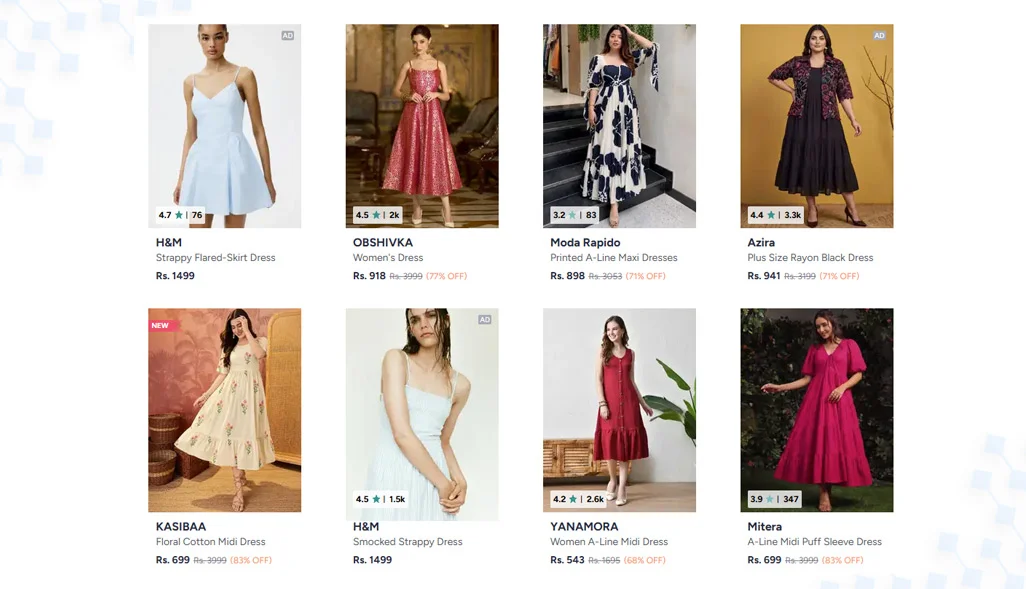
Analyzing online marketplace listings provides deep visibility into how different e-commerce platforms structure baseline product pricing. Retailers often set varying list prices for identical stock-keeping units to appeal to specific customer segments and geographical markets. Evaluating baseline pricing across top fashion apps helps merchants identify underlying cost structures and hidden seller margins.
E-commerce managers frequently rely on specialized data collection solutions to collect granular pricing details from major portals. Integrating an E-Commerce Fashion Catalog API helps streamline real-time data flow directly into executive analytics dashboards. Automating catalog extraction reduces manual overhead and ensures price changes are captured as soon as listings update.
Deploying comprehensive market analysis techniques like Myntra Fashion Data Scraping helps researchers spot hidden pricing patterns across top apparel categories. Comparing catalog metrics side by side highlights subtle differences in baseline rates, brand partnerships, and platform-specific listing fees. Continuous catalog surveillance helps brands proactively adjust MSRP benchmarks, capture lost market share, and refine long-term pricing policies across competitive channels.
- Tracking cross-platform catalog overlap metrics exposes immediate gaps in competitor inventory assortments.
- Automated extraction of base list prices helps brand managers establish optimal MSRP positioning strategy.
- Structured data pipelines eliminate manual tracking errors while accelerating commercial decision-making capabilities.
| Category | Overlap Share | Price Gap | Primary Factor |
|---|---|---|---|
| Western Wear | 68% | 12.4% | Vendor Promotions |
| Ethnic Wear | 42% | 18.2% | Seasonal Demand |
| Footwear | 55% | 8.7% | Clearance Sales |
Data-driven retail research shows that catalog overlaps between major platforms often exceed 50% across popular fashion categories. Despite carrying identical inventory, baseline list prices routinely vary due to dynamic platform fees and exclusive vendor agreements. Systematic catalog tracking allows brands to anticipate competitor pricing shifts and execute timely promotional adjustments before sales volume declines.
Evaluate Promotional Campaigns And Dynamic Discounting Cycles
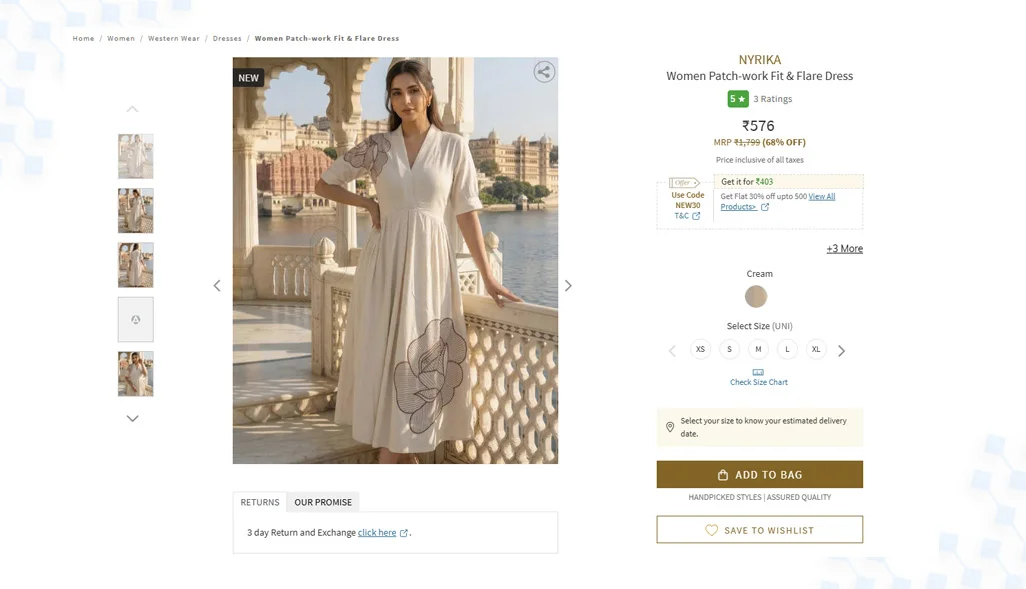
Promotional discount cycles create constant price fluctuations across digital marketplaces, making continuous tracking essential for strategy teams. E-commerce platforms employ sophisticated repricing algorithms to launch limited-time flash sales and category-wide price drops. Tracking these fast-moving promotional waves helps retail analysts distinguish between temporary discount spikes and long-term pricing adjustments.
Capturing dynamic promotional changes requires robust data pipelines that monitor listing updates around the clock. Enterprise teams utilize scalable Ecommerce Data Scraping infrastructure to systematically capture hourly price drops, multi-item bundle deals, and payment gateway discounts. Collecting automated promotional data across multiple platform touchpoints gives market strategists a complete view of active competitor campaigns.
Analytical data confirms that automated marketplace algorithms reprice high-velocity SKUs up to 14 times daily during peak promotional sales. Capturing these rapid price adjustments ensures brand strategy teams never miss critical competitive shifts or deep markdown events. Strategic promotional visibility allows companies to protect brand value, defend category leadership, and maximize return on promotional investment.
- Continuous price tracking identifies temporary flash sales and ongoing promotional discount strategies accurately.
- Historical campaign analytics help commercial teams predict seasonal price drops and counter competitor moves.
- Automated data extraction captures regional promotional variances and exclusive platform bank discounts seamlessly.
| Campaign Phase | Avg Discount | Price Adjustments | Margin Impact |
|---|---|---|---|
| Pre-Sale Warmup | 15% | 3 Times/Day | Low |
| Peak Flash Sale | 45% | 14 Times/Day | High |
| Post-Sale Clear | 30% | 5 Times/Day | Moderate |
Historical promotional mapping demonstrates how aggressive discount tactics directly influence consumer buying decisions and overall category market share. Analyzing recurring promotional patterns enables retail teams to model prospective pricing strategies, optimize ad spending, and forecast seasonal sales surges with higher precision.
Track Product Stock Levels And Markdown Acceleration Dynamics
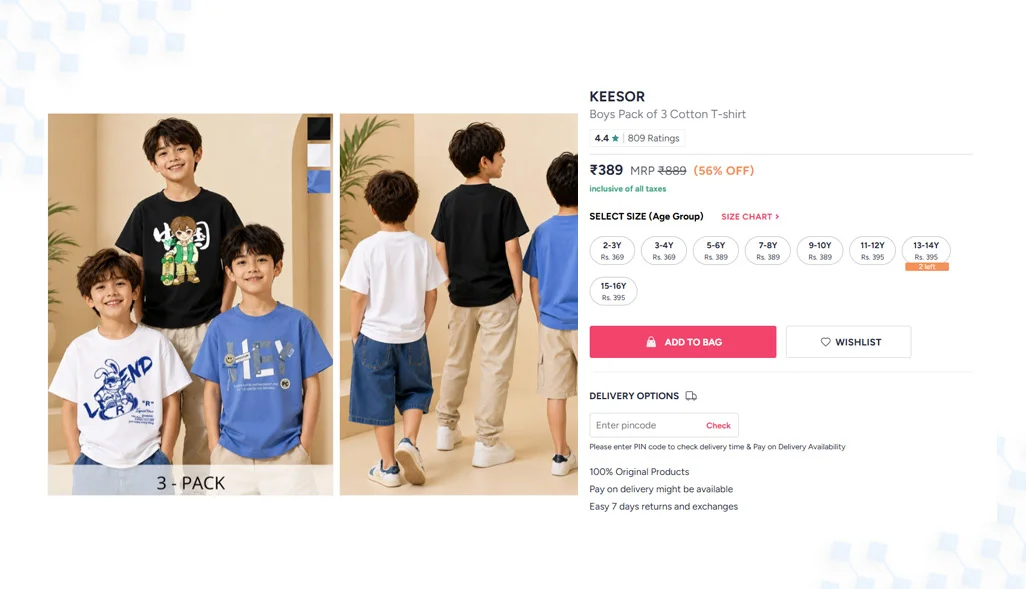
Inventory turnover velocity heavily influences markdown schedules and accelerated price drops across retail marketplaces. When product inventory levels remain stagnant past targeted sales cycles, marketplace algorithms automatically apply progressive price cuts to clear aging stock. Tracking exact inventory depth alongside real-time discount changes reveals how stockout risks trigger aggressive markdown strategies across key fashion listings.
Accessing reliable market intelligence through structured E-Commerce Datasets provides enterprise decision-makers with detailed visibility into overall stock movement dynamics. Combining real-time stock counts with historical markdown trends allows analysts to predict when competitors will initiate deep clearance sales. Comprehensive inventory datasets equip brands with actionable insights needed to refine purchasing orders, adjust production runs, and optimize replenishment schedules efficiently.
Monitoring marketplace availability metrics like Real-Time Fashion Product Availability Monitoring helps strategic teams spot critical supply chain disruptions and sudden stockouts. Real-time availability tracking prevents premature discounting on fast-moving items while ensuring pricing strategies stay fully aligned with actual stock levels.
- Stock availability monitoring alerts strategy teams to competitor inventory shortages in real time.
- Clearance markdown tracking reveals exact stock liquidation schedules across dynamic product categories.
- Predictive inventory analytics help supply chain managers align manufacturing volumes with real market demand.
| Stock Volume | Markdown Depth | Out-of-Stock Risk | Strategic Action |
|---|---|---|---|
| High (>1000) | 15% - 25% | 5% | Standard Pricing |
| Medium (250-1000) | 30% - 45% | 28% | Targeted Bundles |
| Low (<250) | 50% - 70% | 82% | Clearance Markdown |
Empirical market data shows that clearance markdowns accelerate by over 35% once product inventory levels fall below critical volume thresholds. Combining stockout probability metrics with markdown tracking enables strategic teams to optimize clearance timing without eroding overall brand equity.
How Web Data Crawler Can Help You?
Modern retail intelligence relies on high-speed automated extraction to capture competitive marketplace metrics accurately. Deploying a structured Ajio vs Myntra Product Price Comparison Dataset through specialized infrastructure ensures seamless data delivery without IP blocks or captcha interference.
We deliver end-to-end extraction pipelines tailored specifically to large-scale e-commerce tracking.
- Automated pipeline scheduling guarantees high-frequency data extraction across fluctuating marketplace listings.
- Advanced proxy rotation and anti-scraping bypass mechanisms maintain uninterrupted data collection streams.
- Custom normalization engines convert unstructured catalog web pages into clean, standardized tabular data.
- Real-time monitoring alerts instantly notify strategy teams of aggressive competitor price drops.
- Multi-region location parsing captures localized pricing variance and targeted regional promotions.
- Scalable cloud storage infrastructure supports seamless integration into existing enterprise analytics tools.
Partnering with us provides direct access to custom solutions like a Myntra Product Price Web Data Scraper for ongoing market monitoring. Reliable, high-precision data pipelines give enterprise brands the clarity needed to make confident, data-driven pricing decisions.
Conclusion
Building a sustainable competitive advantage in modern online fashion retail requires continuous intelligence and deep catalog visibility. By routinely evaluating an Ajio vs Myntra Product Price Comparison Dataset, businesses can uncover nuanced pricing strategies, monitor competitor markdowns, and protect operating margins.
Executing precise market benchmarking relies on reliable web scraping solutions built specifically for complex e-commerce platforms. Leveraging automated toolsets to Extract Ajio Product Details allows retail strategy teams to keep pace with rapid marketplace shifts. Transform your competitive strategy today by partnering with Web Data Crawler to access high-accuracy, real-time fashion market intelligence.