


How Does Airbnb Property Dataset Scraping for Insights Help Compare Prices, Reviews, and Listings?
Sep 23
Introduction
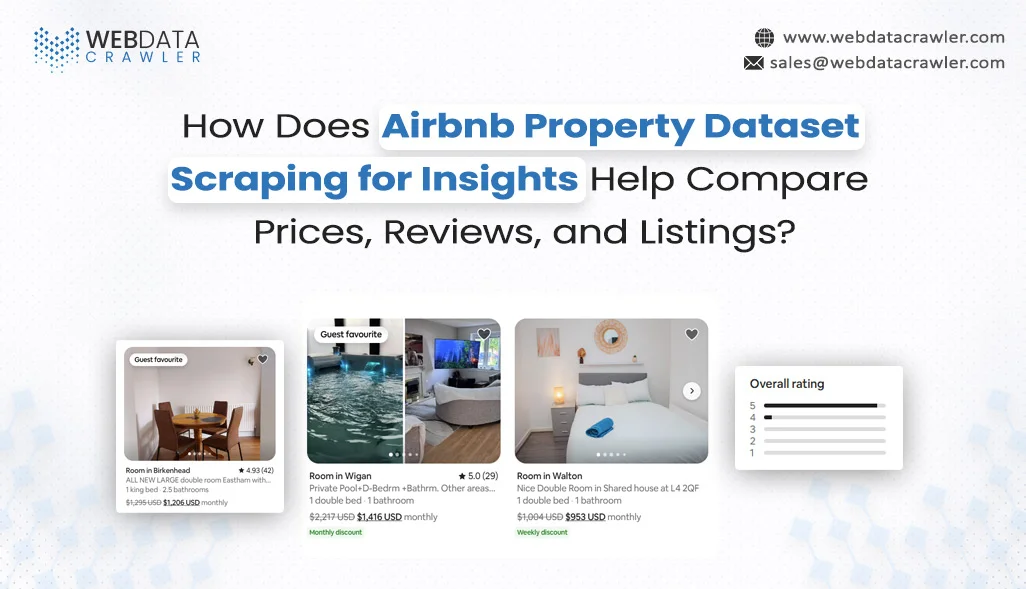
The vacation rental market generates extensive information across property listings, room types, prices, guest ratings, locations, and amenities. Organizing this information into structured datasets helps businesses evaluate rental patterns and compare properties efficiently. An Airbnb Travel Dataset can provide valuable information for market research, pricing analysis, and location-based comparisons.
When businesses collect property information systematically, they can examine how prices change according to location, property type, amenities, and seasonal demand. Airbnb Property Dataset Scraping for Insights supports this process by bringing diverse listing information into structured formats that are easier to analyze and compare across different destinations and rental categories.
A well-organized dataset can also help identify review patterns, availability changes, competitive pricing, and popular property features. These insights support tourism companies, rental managers, analysts, and researchers in making data-supported decisions while evaluating accommodation markets across different destinations and customer segments.
Decoding Rental Pricing Patterns Across Diverse Property Markets Worldwide
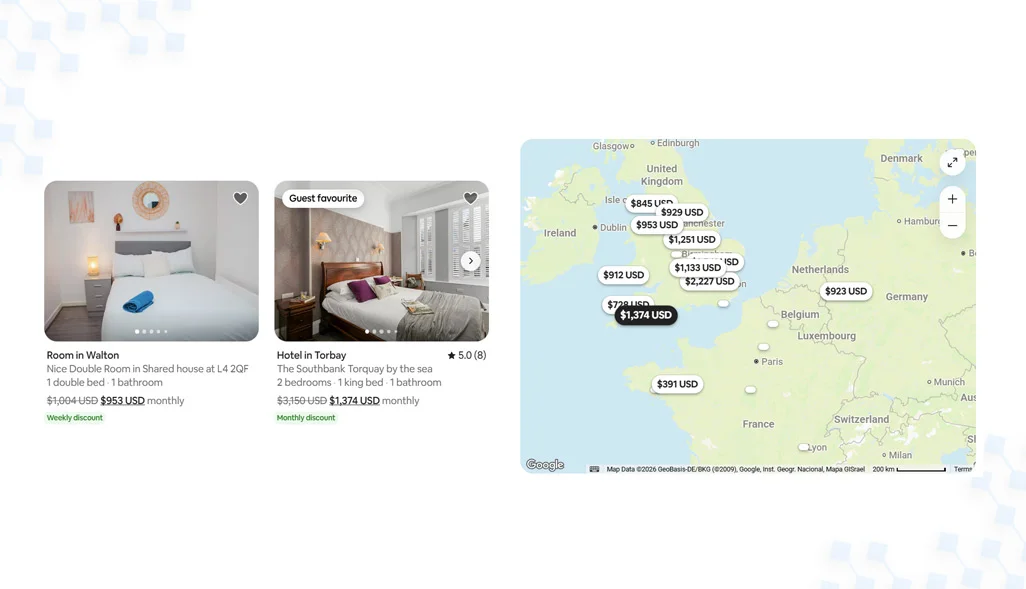
Rental prices can differ considerably based on destination, property type, amenities, seasonal demand, guest capacity, and local market conditions. Airbnb Rental Price Scraping helps organize pricing information across multiple properties, allowing analysts to compare nightly rates and identify variations between similar accommodations. This structured approach can make large-scale rental research more consistent and easier to interpret.
Property-level comparisons become more meaningful when pricing is examined alongside location and accommodation characteristics. Businesses can review average nightly rates, minimum stays, property categories, and available facilities to understand how different attributes influence rental positioning. Data collected through Airbnb Travel Data Scraping Services can support broader market research by bringing relevant records together for systematic comparison.
Several measurable attributes can contribute to useful pricing analysis:
- Average and listed nightly rates
- Property category and accommodation type
- Geographic location and neighborhood
- Guest capacity and room configuration
- Available amenities and facilities
- Minimum stay requirements
Data Element and Analytical Purpose:
| Data Element | Analytical Purpose |
|---|---|
| Nightly Rate | Pricing comparison |
| Property Category | Market segmentation |
| Location | Geographic evaluation |
| Amenities | Feature comparison |
| Guest Capacity | Accommodation assessment |
Historical records can also help analysts examine recurring pricing movements across different periods. Comparing current and previous observations may highlight seasonal changes, destination-level differences, and shifts in competitive positioning. This creates a clearer foundation for evaluating rental markets while reducing dependence on manually collected information from individual property pages.
Uncovering Listing Characteristics That Shape Competitive Destination Comparisons
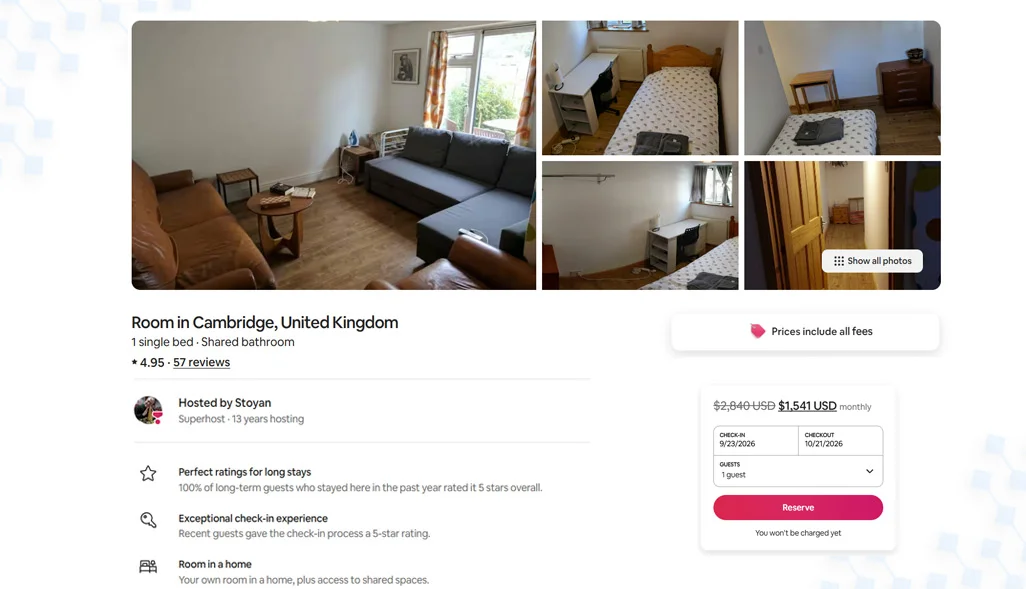
Listing information provides important context for understanding why properties attract different levels of attention and command different prices. Airbnb Listing Data Extraction for Analysis can organize property names, accommodation categories, locations, amenities, ratings, room details, and other attributes into consistent records. Standardized information makes it easier to compare competing listings across several destinations.
A broader collection framework can monitor large numbers of properties while maintaining consistent data fields. Using an Airbnb Travel Data Crawler within a structured workflow can help collect listing attributes across selected destinations and property categories. This approach supports market segmentation by allowing analysts to group properties according to location, accommodation type, features, and guest-facing characteristics.
Important listing attributes can be organized for practical analysis:
- Property type and accommodation category
- Location and neighborhood information
- Guest capacity and room details
- Available amenities and facilities
- Rating and review indicators
- Listing availability information
Listing Attribute and Comparison Objective:
| Listing Attribute | Comparison Objective |
|---|---|
| Property Type | Category analysis |
| Location | Destination comparison |
| Guest Capacity | Audience segmentation |
| Amenities | Feature assessment |
| Rating | Quality benchmarking |
Consistent listing records also help identify frequently available amenities and common property configurations within particular markets. Analysts can examine which features appear most often and compare them with pricing or rating information. Such comparisons provide a structured view of competitive positioning and help businesses understand how properties differ within similar destination segments.
Connecting Guest Feedback With Property Pricing And Market Performance Signals
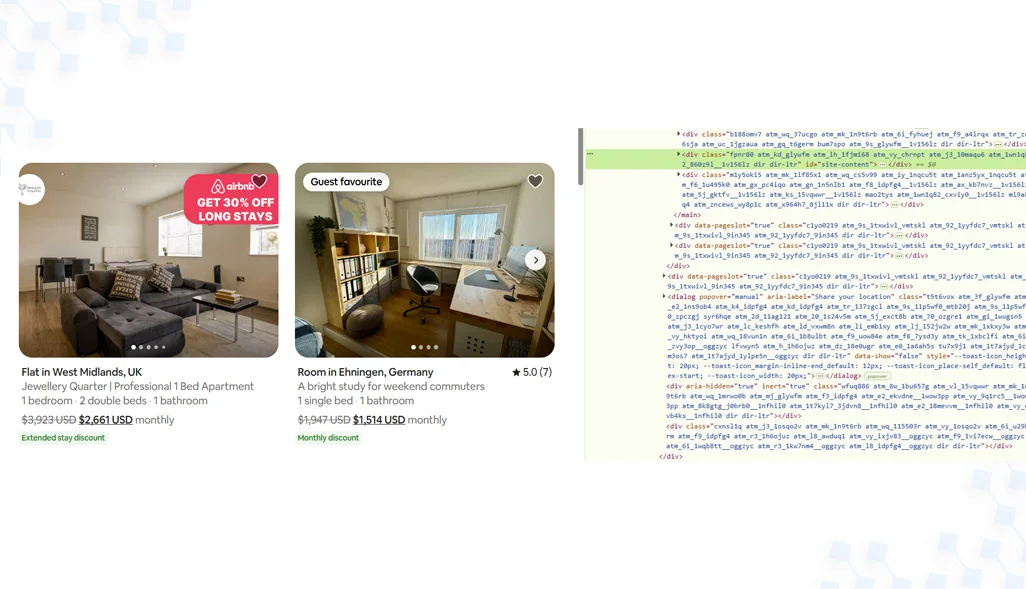
Guest reviews add valuable context to numerical property and pricing information. Airbnb Reviews Data Scraping in Real Time can organize ratings, review counts, recent feedback, and recurring guest observations for systematic analysis. Combining these records with listing and pricing information helps businesses examine how customer experiences relate to property characteristics and market positioning.
Review information becomes more useful when it is standardized alongside other property attributes. An Airbnb Travel Data API can support structured workflows where collected information needs to move into databases, dashboards, analytical systems, or reporting environments. This makes it easier to combine review signals with pricing, location, availability, and amenity records.
Businesses can examine several review-related indicators:
- Overall guest ratings
- Number of published reviews
- Recent review activity
- Recurring feedback themes
- Property-specific observations
- Changes in guest responses
Review Metric and Business Application:
| Review Metric | Business Application |
|---|---|
| Rating | Quality comparison |
| Review Volume | Engagement assessment |
| Recent Feedback | Current experience monitoring |
| Feedback Themes | Service evaluation |
| Property Observations | Listing assessment |
Connecting review trends with rental prices can provide additional context for market comparisons. Analysts may examine whether highly reviewed properties show different pricing patterns from listings with fewer reviews, while also considering location, amenities, and property category. This combined approach creates a more comprehensive dataset for evaluating accommodation markets and understanding customer-facing property performance.
How Web Data Crawler Can Help You?
We support structured collection of rental property information from multiple sources and organize large volumes of records for easier analysis. With Airbnb Property Dataset Scraping for Insights, businesses can consolidate pricing, listing attributes, reviews, locations, amenities, and other relevant information into structured datasets. This supports market research, competitive comparisons, and rental trend analysis.
- Collect property information across selected locations
- Organize pricing and listing attributes consistently
- Monitor changes in available rental information
- Structure review and rating information
- Support historical dataset development
- Prepare collected records for analytical workflows
A structured approach reduces manual research and makes recurring data collection more manageable. Businesses can define fields according to their analytical requirements, helping teams work with consistent records across different destinations and property categories.
For organizations requiring specialized collection workflows, a Property Listing Data Scraping Service can support customized datasets based on selected locations, attributes, property categories, and business requirements. This makes collected information easier to integrate into reporting systems, analytical dashboards, research projects, and competitive market studies while maintaining a consistent structure.
Conclusion
Rental markets contain constantly changing information across prices, listings, amenities, reviews, locations, and availability. Airbnb Property Dataset Scraping for Insights brings these data points together in structured formats, helping analysts compare properties and identify meaningful market patterns across destinations. Consistent datasets can make rental research more organized and actionable.
Businesses can further organize collected information through Airbnb Rental Price Scraping to support pricing comparisons, market research, and ongoing monitoring. Contact Web Data Crawler to discuss customized rental data collection requirements and build structured datasets aligned with your analytical objectives.