
How Does AI Data Collection Using Web Scraping for Large-Scale Data Support Smarter Business Growth?
July 8 2026
Introduction
Modern businesses operate in markets where product catalogs change rapidly, prices fluctuate throughout the day, customer expectations evolve continuously, and competitor strategies can shift without warning. Relying on fragmented reports, manual research, and delayed datasets makes it difficult for decision-makers to respond at the speed required by digital commerce.
Companies need reliable methods to collect, structure, validate, and analyze large volumes of public web data across multiple channels. AI Data Collection Using Web Scraping helps organizations transform scattered online information into usable intelligence for pricing, inventory planning, competitor monitoring, market research, and customer-focused strategy.
With AI Web Scraping Services, businesses can improve data accuracy, identify patterns faster, and create consistent datasets that support enterprise reporting. Artificial intelligence can also help classify product information, detect duplicates, normalize formats, identify missing fields, and flag unusual changes in collected data. By combining automation with intelligent data processing, businesses can convert web-based signals into practical insights that support sustainable growth.
Overcoming Delayed Competitor Tracking Across Digital Markets

Businesses often face difficulty tracking competitor activity because online marketplaces, retailer websites, and brand stores change product details frequently. Manual research methods can only cover a limited number of pages, leaving teams with incomplete information about pricing, discounts, product availability, ratings, and assortment changes.
This lack of visibility may delay strategic decisions and reduce the ability to respond quickly when competitors introduce new offers or modify their market approach. A reliable Web Scraping API helps businesses transfer collected information into dashboards, reporting tools, and internal systems. This improves data accessibility for pricing, marketing, merchandising, and strategy teams.
Automated data collection creates a more organized process for monitoring digital channels at scale. Teams can compare competitor prices, identify promotional activity, review product descriptions, and monitor stock status without depending on repetitive spreadsheet updates.
| Business Challenge | Manual Process | Automated Collection Process |
|---|---|---|
| Price monitoring | Limited periodic checks | Regular multi-source tracking |
| Promotion analysis | Delayed campaign reviews | Faster offer and discount visibility |
| Assortment comparison | Manual catalog matching | Structured category-level analysis |
| Availability tracking | Inconsistent updates | Scheduled stock-status collection |
| Market reporting | Static reports | Updated intelligence dashboards |
Using AI Web Scraping Services for Competitor Insights, organizations can identify competitor pricing gaps, track product launches, compare assortment depth, and evaluate promotional patterns. These insights help businesses create market-responsive strategies supported by current information instead of delayed observations.
Strengthening Product Intelligence for Better Pricing Decisions
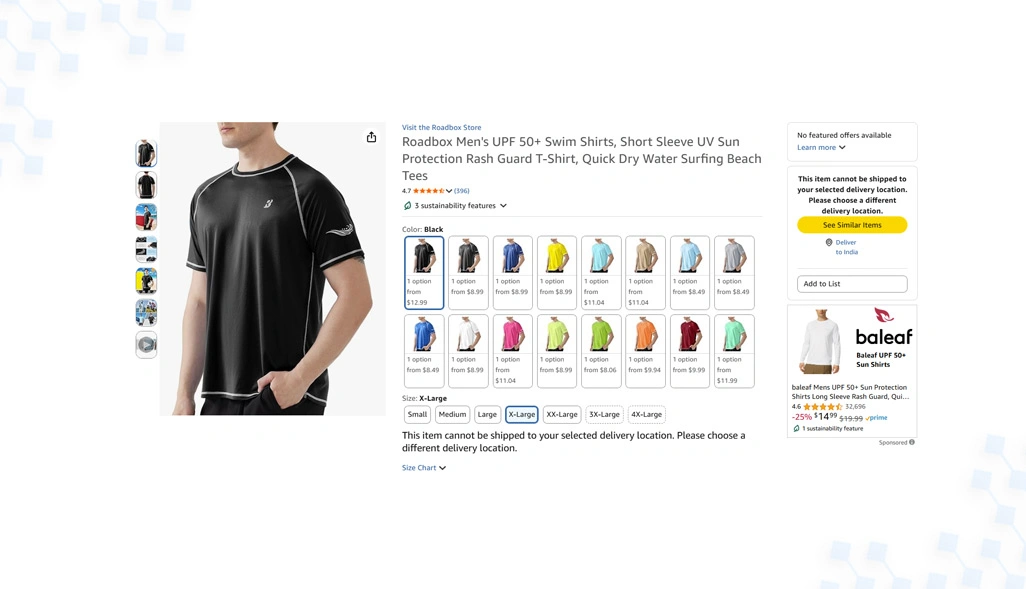
Product data is essential for retailers, brands, distributors, and online marketplaces that need to understand how their offerings perform across digital channels. However, product listings often differ between websites because of inconsistent titles, descriptions, sizes, prices, ratings, images, and availability details.
These variations make accurate comparisons difficult and can affect pricing, assortment, and revenue planning decisions. A dependable Scraping API allows collected product information to move directly into analytics tools, pricing systems, and internal databases. This reduces manual data handling and provides teams with updated information for timely commercial decisions.
Automated collection workflows help businesses gather product information from multiple sources and organize it into consistent formats. Artificial intelligence can support product matching, attribute extraction, duplicate detection, category classification, and unit normalization.
| Product Data Area | Information Captured | Business Benefit |
|---|---|---|
| Product titles | Brand, model, size, variant | Improved catalog comparison |
| Price details | Regular price, offer price, discount | Better pricing evaluation |
| Availability status | In stock, unavailable, delivery status | Stronger inventory planning |
| Customer feedback | Ratings and review content | Better product assessment |
| Product attributes | Features, ingredients, specifications | Improved assortment analysis |
| Promotional offers | Bundles, coupons, seasonal deals | Campaign planning support |
Through Scraping Product Details and Pricing Using AI, businesses can monitor price changes, compare discounts, evaluate seller offers, and review promotional activity across relevant platforms. Structured product intelligence supports more informed revenue planning and helps teams respond quickly to market movements.
Reducing Data Complexity in Enterprise Operations
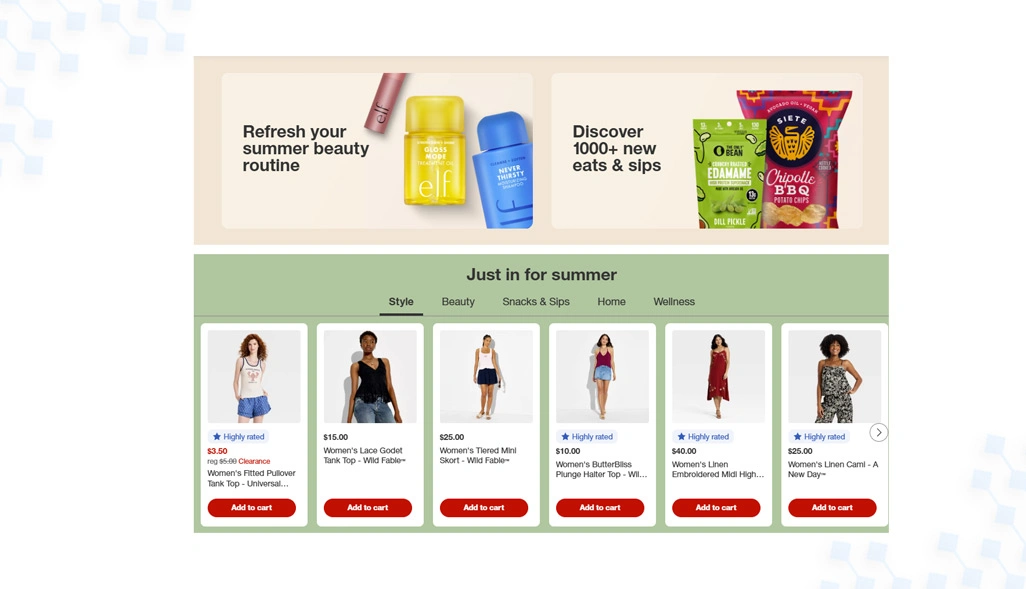
Large-scale data collection can become difficult when businesses monitor multiple websites, regions, product categories, and digital platforms. Raw information can also contain missing values, duplicate listings, outdated records, and inconsistent attributes, making it challenging for teams to create dependable reports.
Professional Web Scraping Services help enterprises create customized workflows based on required sources, data fields, collection schedules, and delivery formats. This supports consistent operations while reducing dependency on manual research and repetitive data preparation.
Automated workflows help businesses manage these issues by collecting, validating, categorizing, and standardizing data before it reaches analytics systems. Instead of handling every website manually, teams can establish repeatable processes that deliver clean datasets for pricing analysis, competitor monitoring, inventory planning, and market research.
| Data Challenge | Automated Solution | Operational Result |
|---|---|---|
| Duplicate listings | Product matching processes | Cleaner catalog records |
| Missing fields | Completeness validation | More reliable reports |
| Different data formats | Attribute standardization | Easier source comparison |
| Sudden market changes | Change detection workflows | Faster response planning |
| High-volume websites | Scalable collection systems | Wider market coverage |
| Frequent updates | Scheduled extraction cycles | Current business intelligence |
With AI Web Scraping Tools for Real Business Data Collections, organizations can identify page changes, detect extraction issues, validate collected information, and maintain reliable datasets across evolving web environments.
How Web Data Crawler Can Help You?
Our approach combines automated crawling, structured extraction, data validation, and flexible delivery options. This helps teams reduce manual research, improve data consistency, and access insights that support faster planning. In the middle of this process, AI Data Collection Using Web Scraping can help organizations create reliable intelligence pipelines for long-term business growth.
Our approach includes:
- Collect product, pricing, promotion, and availability information from relevant sources.
- Monitor competitor changes across marketplaces, retailer websites, and digital platforms.
- Standardize collected data into clean, analysis-ready formats.
- Schedule recurring collection workflows based on business requirements.
- Deliver datasets through APIs, files, cloud storage, or database integrations.
- Support custom data fields for category-specific business analysis.
For businesses requiring faster access to updated information, our AI Scraper API for Real Time Data Collections helps connect structured web intelligence with dashboards, applications, and internal analytics systems.
Conclusion
Business growth depends on the ability to understand changing markets, customer preferences, pricing patterns, and competitor actions before they create operational challenges. When organizations use AI Data Collection Using Web Scraping as part of their intelligence strategy, they can reduce research delays, improve data quality, and make decisions based on current market signals.
A structured data approach also supports stronger pricing, assortment, inventory, and campaign planning across industries. With AI Web Scraping Tools for Real Business Data Collections, companies can build scalable intelligence workflows that support consistent analysis and measurable performance improvements. Contact Web Data Crawler today to build a customized web data collection solution for your business.