
How does Web Scraping QSR Market Prices Between Canada and the USA Explain 12% Cross-Border Price Gaps?
Jan 21
Introduction
The fast-food sector in North America has been growing at a remarkable pace, driven by evolving consumer preferences and regional economic dynamics. By implementing Web Scraping QSR Market Prices Between Canada and the USA, analysts and businesses can gain real-time insights into pricing structures, menu offerings, and competitive positioning across borders.
Businesses relying on Web Scraping Food Data can now access granular information about QSR chains, allowing them to track trends, monitor competitor strategies, and adjust pricing strategies accordingly. Moreover, location-specific data helps identify regional demand patterns, enabling targeted promotions and menu adjustments that appeal to local consumers.
By combining these insights with historical data, companies can better predict market shifts, optimize supply chains, and maximize revenue streams. The ability to analyze such complex datasets ensures that QSR operators in Canada and the USA can adapt quickly to economic fluctuations, consumer behavior, and competition, thus driving growth and maintaining profitability in a challenging market landscape.
Evaluating Fast-Food Pricing Trends Across Multiple Regions
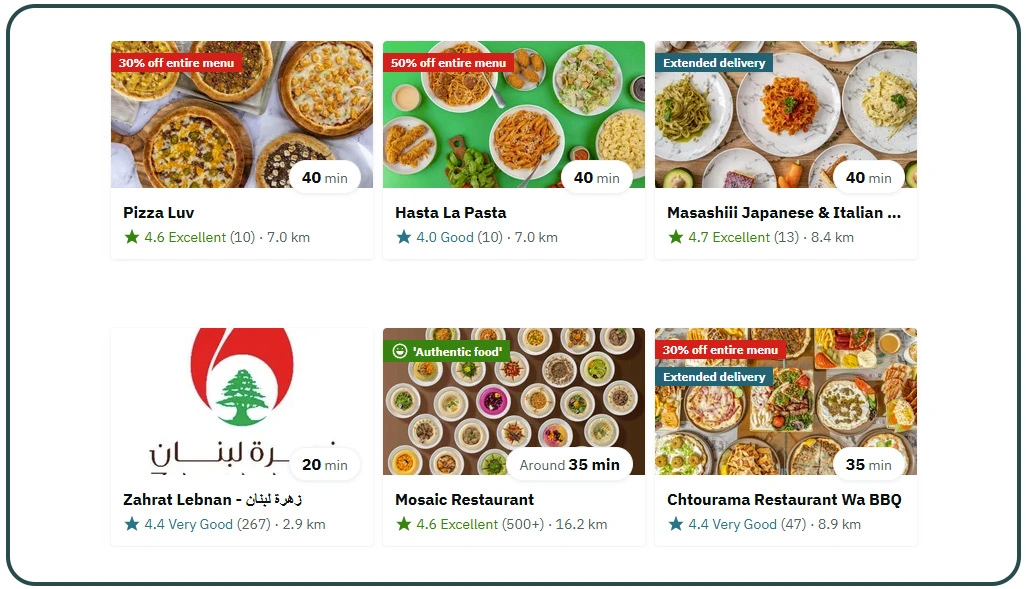
Analyzing cross-border QSR pricing requires a detailed examination of Food and Restaurant Datasets. These datasets offer critical insights into menu pricing, promotional strategies, and customer engagement across various outlets. For example, recent studies indicate that Canadian outlets often charge approximately 12% more than similar items in the US, highlighting a significant pricing disparity.
| Country | Average Price of Combo Meal | Price Variance (%) | Most Expensive City | Least Expensive City |
|---|---|---|---|---|
| Canada | $9.85 | 12% | Toronto | Calgary |
| USA | $8.79 | — | New York | Houston |
Using advanced scraping techniques, businesses can identify pricing inconsistencies, understand the impact of regional supply costs, labor, and taxation, and make informed decisions. Additionally, cross-border data reveals how promotions, seasonal offers, and menu adaptations influence consumer behavior, providing actionable intelligence for marketing and pricing strategies. Accurate, location-specific insights allow companies to stay competitive and enhance profitability, while ensuring customer satisfaction remains a key focus.
Organizations can also utilize these insights to Scrape Quick Service Restaurant Trends in North America, helping identify popular menu items, track demand fluctuations, and evaluate regional preferences. Such structured analysis allows for optimized inventory forecasting and improved operational efficiency. By bridging the price gap between regions, QSR operators can achieve consistent brand perception, maintain competitiveness, and implement data-driven expansion strategies.
Detecting Competitive Patterns Through Comprehensive Website Analysis
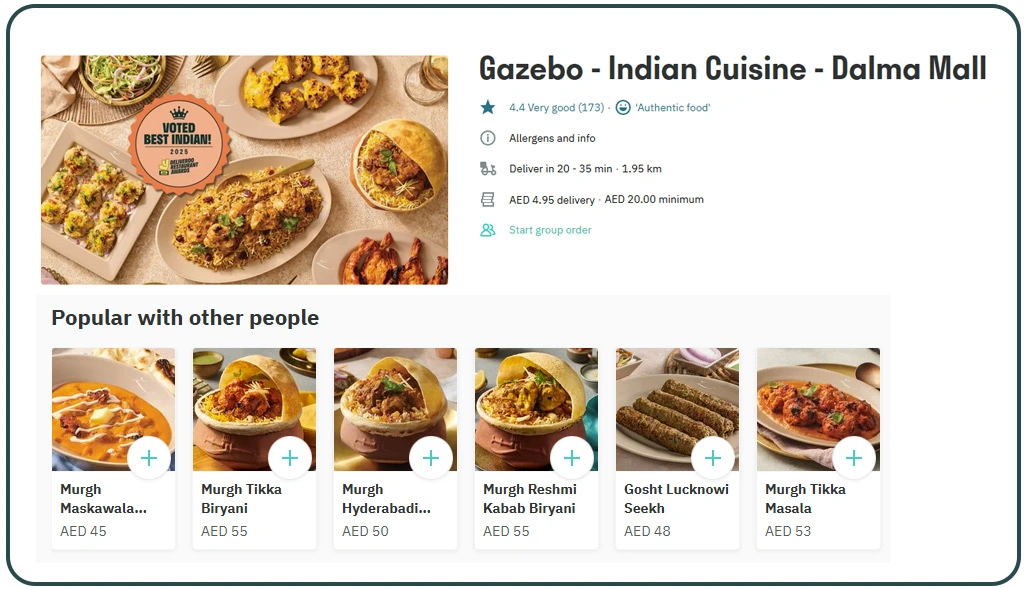
Understanding regional price differences requires more than surface-level statistics. Implementing Web Crawler solutions allows businesses to automatically collect extensive data on menu items, pricing, and promotions across multiple outlets and platforms. This approach uncovers inefficiencies and helps QSR operators refine their strategies based on actual market behavior.
| Parameter | Data Collected | Impact on Pricing Decisions |
|---|---|---|
| Menu Variation | Item prices, combos, extras | Identify high-margin items |
| Regional Promotions | Discount frequency, timings | Adjust marketing strategies |
| Competitor Price Tracking | Weekly and monthly updates | Optimize pricing models |
| Customer Review Analysis | Ratings and feedback | Adjust menu and service quality |
Through automated processes, businesses can evaluate cross-border price variations and identify patterns such as localized price inflation and menu discrepancies. Moreover, by applying Cross-Border QSR Pricing and Menu Analysis, operators gain actionable insights on competitor activity, pricing adjustments, and promotional strategy effectiveness.
This approach also allows companies to monitor customer sentiment, preferences, and behavior, which are crucial for refining menu offerings and enhancing service quality. By integrating collected data into operational dashboards, organizations can make real-time decisions, prioritize high-performing outlets, and implement marketing initiatives that resonate with target audiences.
Implementing Large-Scale Automation For Market Intelligence
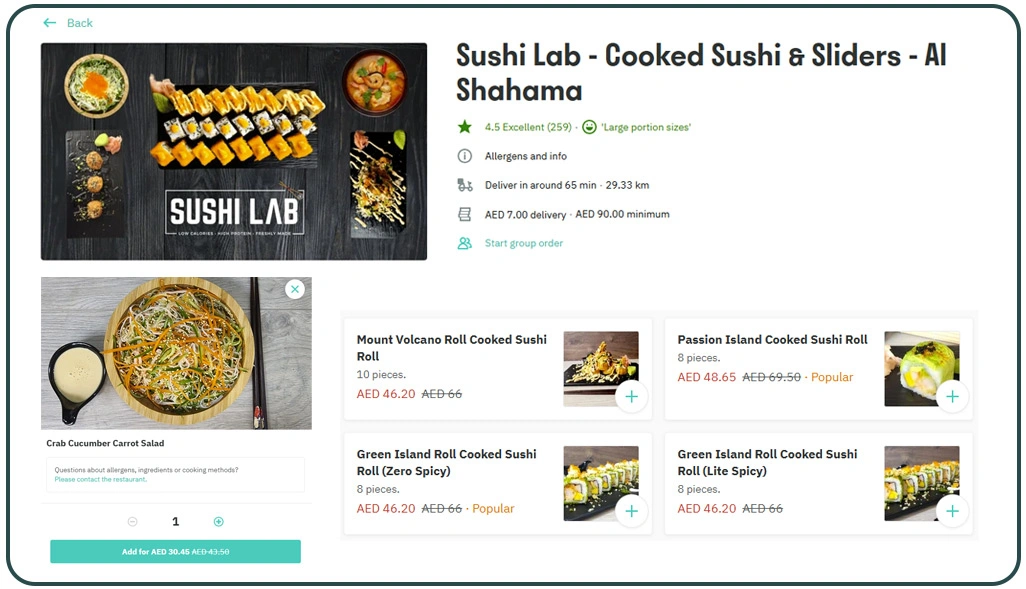
Enterprise-level solutions enable Enterprise Web Crawling to extract large-scale data from multiple QSR platforms, providing comprehensive insights on pricing, menu structures, and outlet performance. By automating these processes, businesses gain the ability to analyze competitive strategies and understand regional differences at scale.
| Metric | Canada Data | USA Data | Observations |
|---|---|---|---|
| Average Meal Price | $9.85 | $8.79 | Canada prices remain consistently higher |
| Promotional Frequency | 3 per month | 4 per month | US promotions are more frequent |
| Outlet Expansion | 2% annual growth | 3% annual growth | US outlets are expanding faster |
| Menu Customization | Moderate | High | US menus show stronger regional adaptation |
By analyzing this data, companies can identify competitive gaps, optimize pricing strategies, and enhance operational efficiency. This approach also facilitates targeted expansion planning and informed marketing campaigns. Incorporating automated analysis of menu and pricing information ensures strategic decisions are timely and precise.
Furthermore, businesses can combine insights from QSR Location and Outlet Data Extraction to evaluate regional density, market saturation, and potential for growth. Consolidating these datasets into actionable dashboards allows executives to align expansion strategies with actual consumer demand, promotional performance, and competitive behavior.
How Web Data Crawler Can Help You?
Companies looking to understand North American fast-food dynamics benefit from Web Scraping QSR Market Prices Between Canada and the USA through actionable insights and automation.
Our approach includes:
- Comprehensive price trend reporting.
- Automated collection of location-based menu items.
- Analysis of promotional and discount patterns.
- Visualization of regional pricing differences.
- Monitoring of competitor product launches.
- Extraction of outlet expansion trends.
With the ability to Extract QSR Competitive Data Across Canada and USA, we ensure organizations can efficiently track competitor activity, understand consumer preferences, and optimize operational and pricing strategies with minimal manual effort.
Conclusion
Web Scraping QSR Market Prices Between Canada and the USA provides invaluable insights into regional pricing, consumer behavior, and competitive dynamics. Businesses leveraging these insights can identify cross-border price gaps, understand market inefficiencies, and make informed decisions to improve profitability.
By applying QSR Location and Outlet Data Extraction, operators can accurately track competitor outlets, menu variations, and regional promotions, ensuring their strategies remain relevant and competitive. Start optimizing your QSR pricing and expansion plans today with Web Data Crawler's expertise.